GLP-1 Patches vs GLP-1 Supplements: Which is right for you?

Written by Jordan Caulfield & reviewed by Paul Holmes.
GLP-1 has quickly become one of the most discussed topics in weight management and metabolic health.
Managing appetite and maintaining healthy blood sugar levels can be challenging, and as a result, many people are searching for alternatives that feel more accessible than prescription medication or do not require invasive injections.
GLP-1 is a natural gut hormone that regulates appetite, insulin release, and blood sugar (1,2). As interest in weight management grows, two non-prescription formats have emerged: transdermal patches and oral supplements.
This article covers what the research actually says about both. The short version:
- GLP-1 patches are not approved by the MHRA and lack meaningful clinical evidence for natural ingredients delivered through the skin.
- Oral GLP-1 supplements using ingredients like berberine, Reducose, and omega-3 fatty acids have a stronger evidence base, built on oral delivery.
- Prescription GLP-1 drugs (Ozempic, Wegovy, Mounjaro) are a separate category entirely and require medical supervision.
What Is GLP-1
GLP-1, or glucagon-like peptide-1, is a hormone released in the gut after eating. It is produced by specialised cells in the small intestine known as L-cells, and plays a central role in regulating blood sugar levels, appetite, and digestion (1,2).
Once released, GLP-1 helps the body to:
- Stimulate insulin release when blood glucose rises, which helps cells absorb sugar from the bloodstream for energy (1,2).
- Reduce glucagon secretion, which helps prevent blood sugar spikes after meals (1,2).
- Slow gastric emptying, keeping food in the stomach for longer which contributes to sustained feelings of fullness (1,2,3).
- Increases satiety signals to the brain and reduces appetite, making it easier to manage food intake naturally (1,3).
These are important processes for metabolic health and energy balance. GLP-1 is particularly relevant in conditions such as type 2 diabetes and obesity, both of which are associated with impaired glucose regulation. The body's own GLP-1 activity plays an important part in overall health and weight management, which is why supporting this natural hormone response has become a focus for many people (1,3).
Why does GLP-1 Matter for Weight Management?
When GLP-1 activity is healthy, appetite is better regulated, blood sugar stays more stable, and the tendency to overeat is reduced. When activity is impaired, the opposite can occur.
Supporting the body's own hormone response, through diet, lifestyle, and evidence-based supplementation, is a more sustainable approach than trying to replicate GLP-1 synthetically.
What foods naturally increase GLP-1?
Certain foods are associated with stronger natural GLP-1 release, including:
- High-protein foods such as eggs, fish, and legumes
- Fibre-rich foods including vegetables, whole grains, and pulses
- Fermented foods that support gut health, such as yoghurt and kefir (4,5)
A diet that supports gut health generally appears to support better GLP-1 activity, which is part of why gut microbiome research has become relevant to this area. (4,5)
Rather than trying to replicate GLP-1, Naturecan focuses on supporting the body’s natural hormone response. This approach is reflected in the GLP-1 Bundle, which combines supplements studied for their potential role in glucose control, gut health, and overall balance.

GLP-1 Bundle
Discover Naturecan’s GLP-1 Supplements Bundle, expertly designed to support your overall health and wellness goals.
This carefully selected bundle of natural supplements works to aid appetite regulation, promote balanced blood sugar levels, and support weight management, helping you support overall vitality.
With premium plant-based ingredients, this bundle offers a natural, effective way to manage your daily wellness routine.
- Supports weight management and metabolic health
- Includes products with high bioavailability
- Berberine, Reducose, Omega 3 and Digest Gummies Included
- Suitable for vegetarians/vegans
- 60 day supply
- Formulated to promote longevity



GLP-1 Patches
GLP-1 patches are adhesive patches applied to the skin. They are often marketed as needle-free alternatives to prescription GLP-1 injections and may be described as “Wegovy patches” or “Mounjaro patches”. This framing needs unpacking.
Do GLP-1 patches contain GLP-1 drugs?
No. Over-the-counter GLP-1 patches do not contain semaglutide, tirzepatide, or any other prescription GLP-1 medication. Those drugs are complex peptides that must be injected because they cannot survive the digestive system intact, and they cannot penetrate the skin in meaningful amounts either (6).
What these patches actually contain are vitamins, minerals, and plant extracts. These are the same kinds of ingredients found in oral supplements. The question that matters is whether those ingredients can be absorbed through the skin in amounts sufficient to have any effect.


How does transdermal absorption work?
Transdermal delivery requires ingredients to cross the stratum corneum, the outermost layer of skin, which is specifically designed to keep foreign substances out. For an ingredient to cross it effectively, it typically needs to be small, fat-soluble, and potent at low concentrations (7).
Most plant extracts and compounds associated with metabolic health do not meet these criteria. This is not a minor technical point. It means that even if a patch contains a clinically studied ingredient, that ingredient may not be reaching the bloodstream in any meaningful amount (7).
What does the research say?
A 2025 study examined transdermal semaglutide delivery in mice using pharmaceutical-grade experimental patches. The patches reduced body weight in the animal model by suppressing appetite and enhancing metabolic rate (8). However, these were medical-grade formulations containing an actual prescription drug, not a natural supplement. They are not comparable to any over-the-counter patch on the market.
For natural ingredient patches, no high-quality human trials currently validate this delivery method for weight management. The evidence base for the ingredients themselves almost universally involves oral delivery (7,9).
Are GLP-1 patches approved in the New Zealand?
No GLP-1 weight loss patches are currently approved by the MHRA (Medicines and Healthcare products Regulatory Agency). This means they have not been formally assessed for safety, efficacy, or quality by the New Zealand's medicines regulator (6).
Bottom line: GLP-1 patches may contain recognisable ingredients, but there is currently no strong evidence that those ingredients are absorbed through the skin in amounts sufficient to support the effects claimed.

5 Natural Ways To Increase GLP-1
Discover how to increase GLP-1 naturally to support weight loss and blood sugar control.
Read MoreOral GLP-1 Supplements
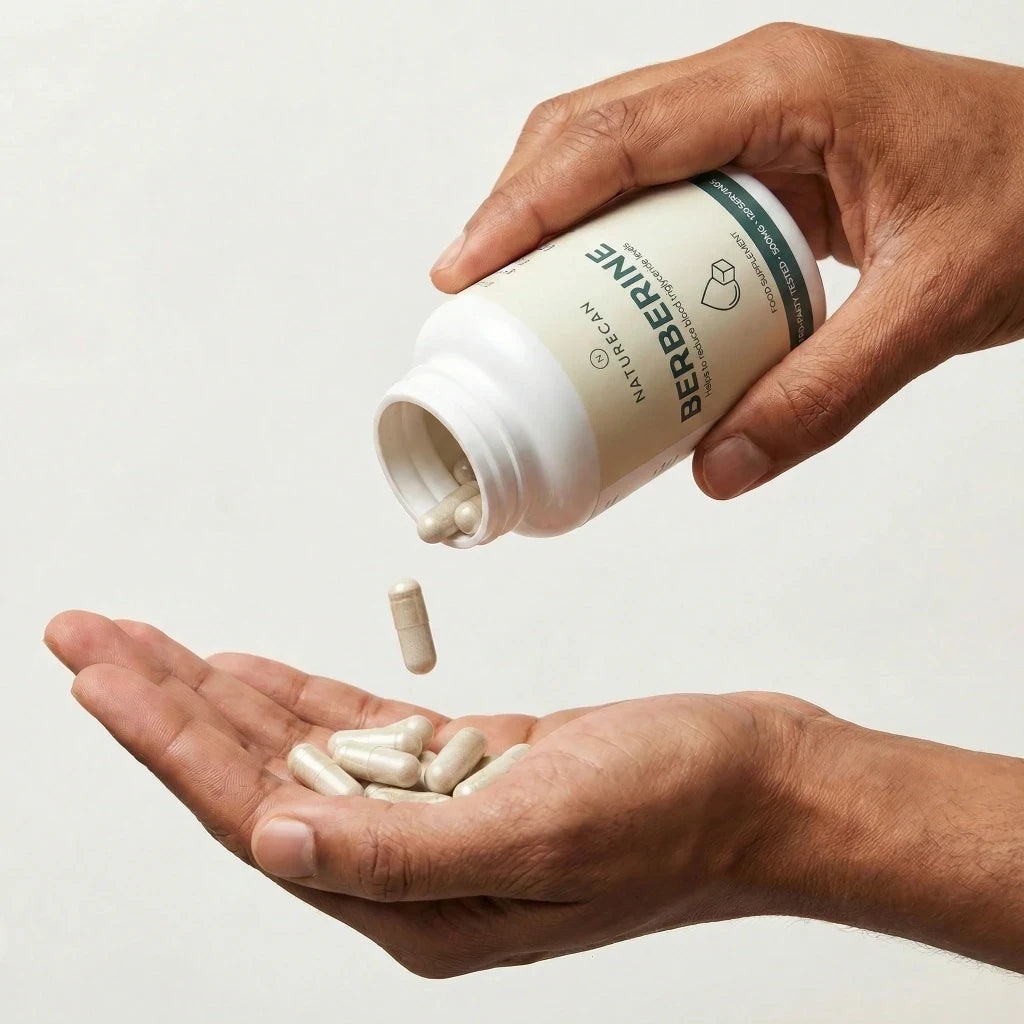
Oral GLP-1 supplements are capsules, softgels, powders, or gummies taken by mouth. They are designed to support the body's natural GLP-1 activity rather than replicate prescription medications (7).
The critical difference from patches is the delivery route. Oral supplements pass through the digestive system, where they are broken down by stomach acid and enzymes, absorbed through the intestinal wall, and processed via well-understood metabolic pathways. Crucially, this is the same route used in the clinical research behind these ingredients (7).
What ingredients are typically used?
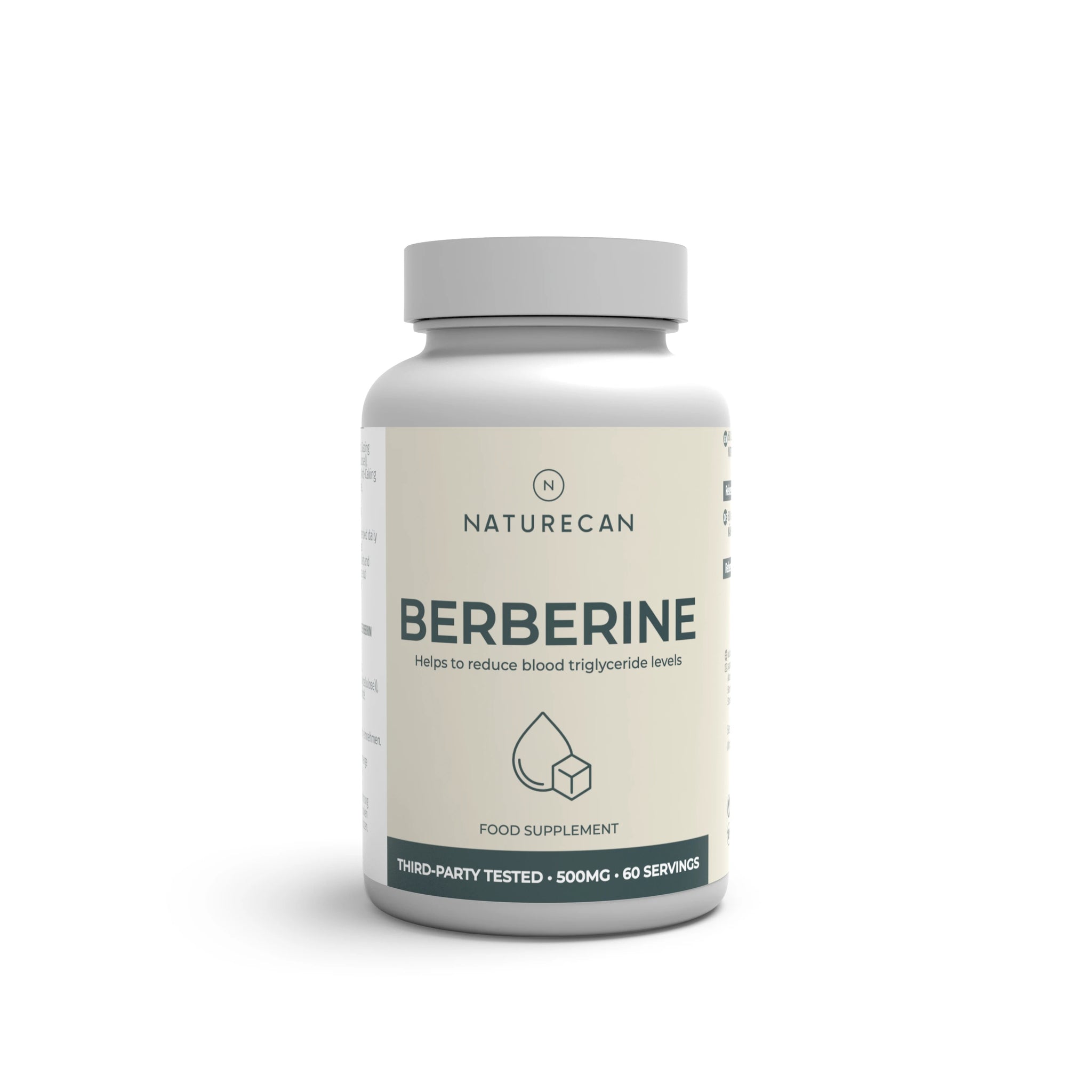
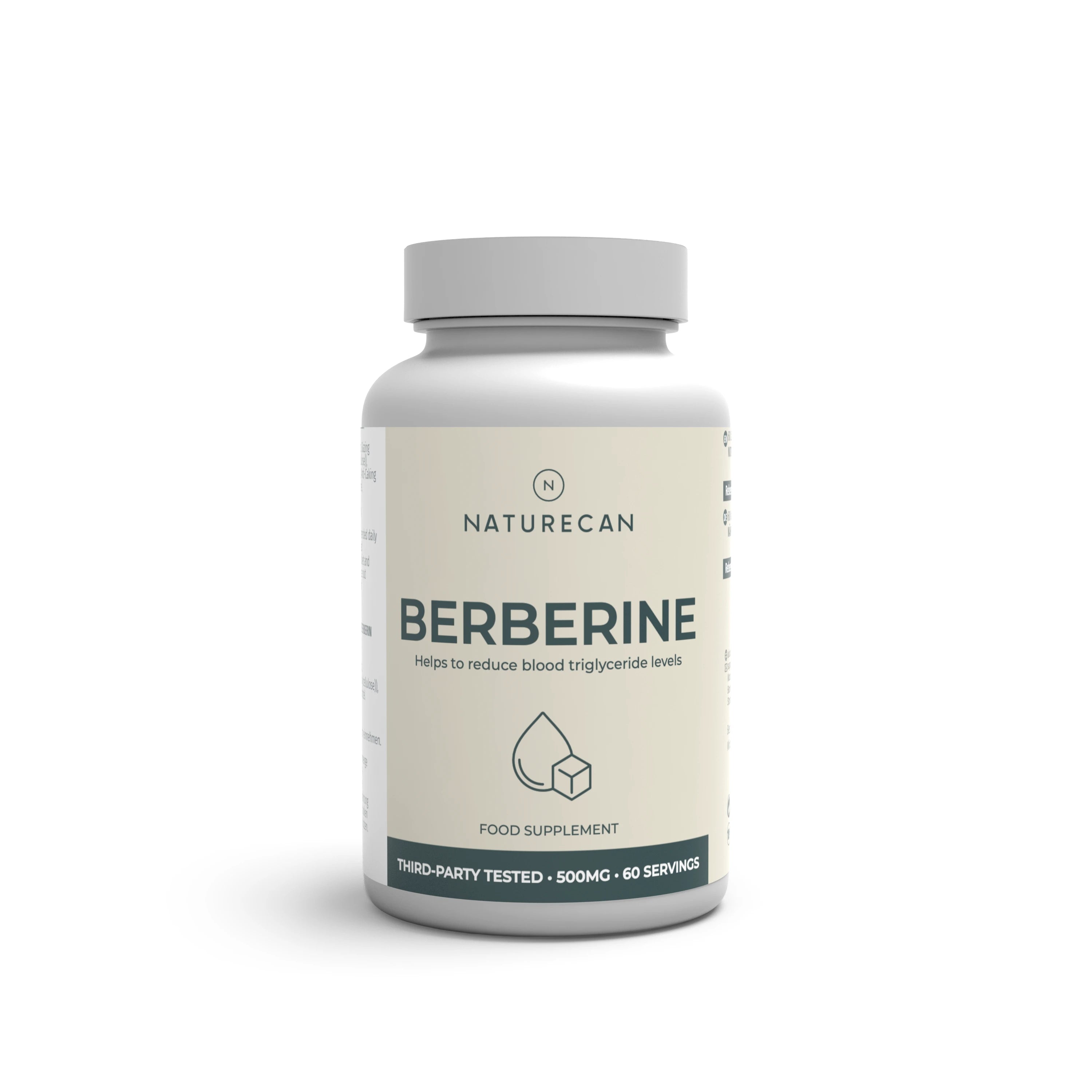
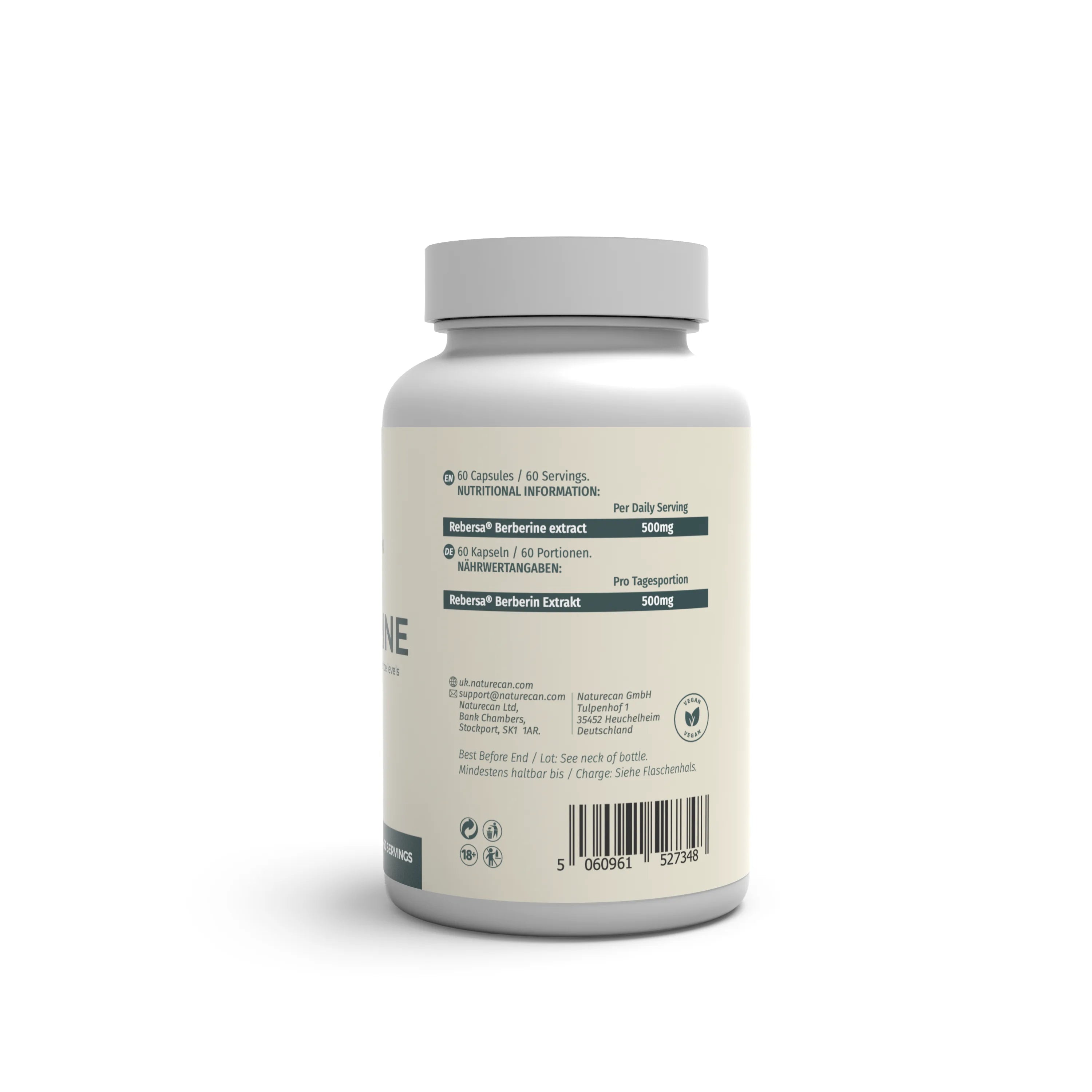
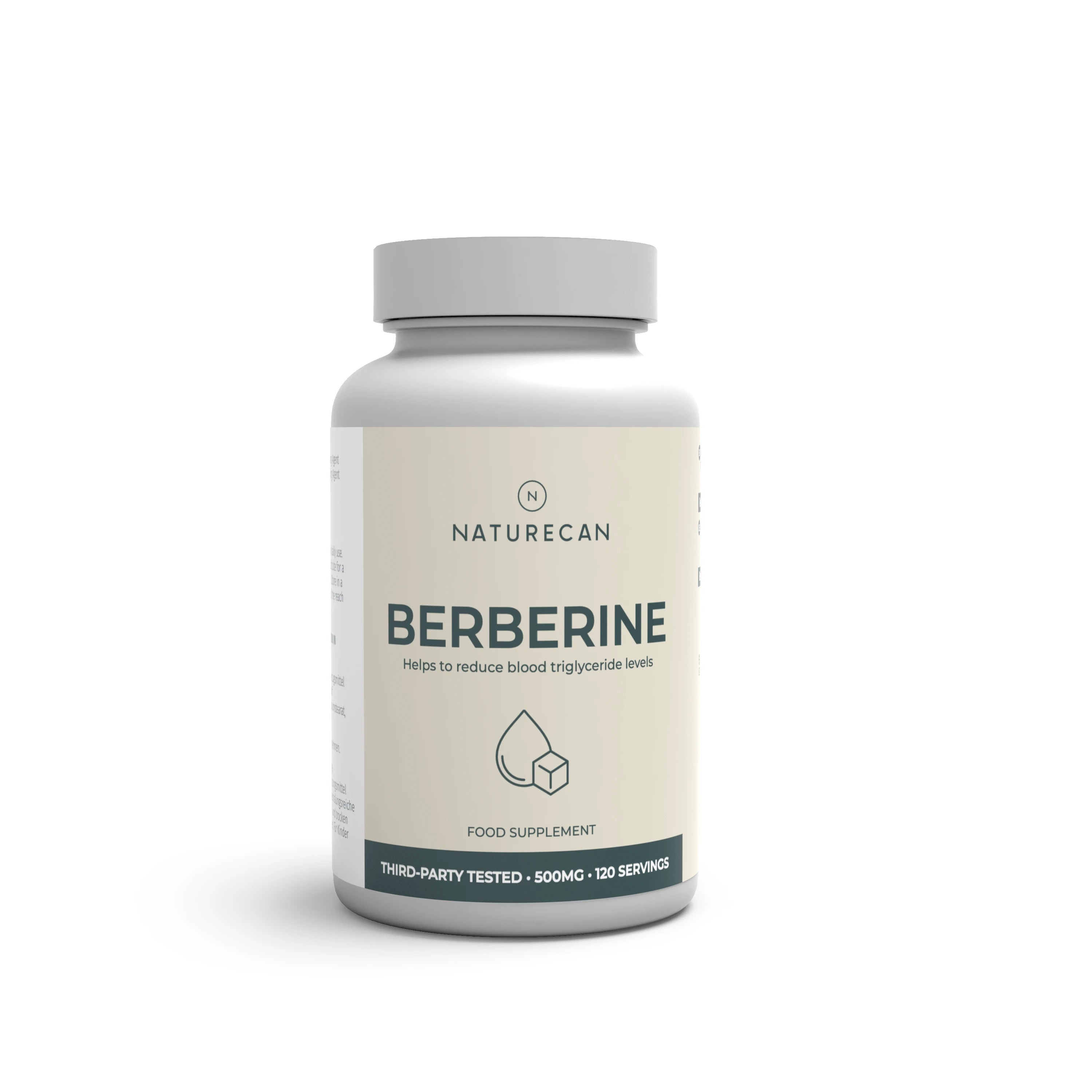
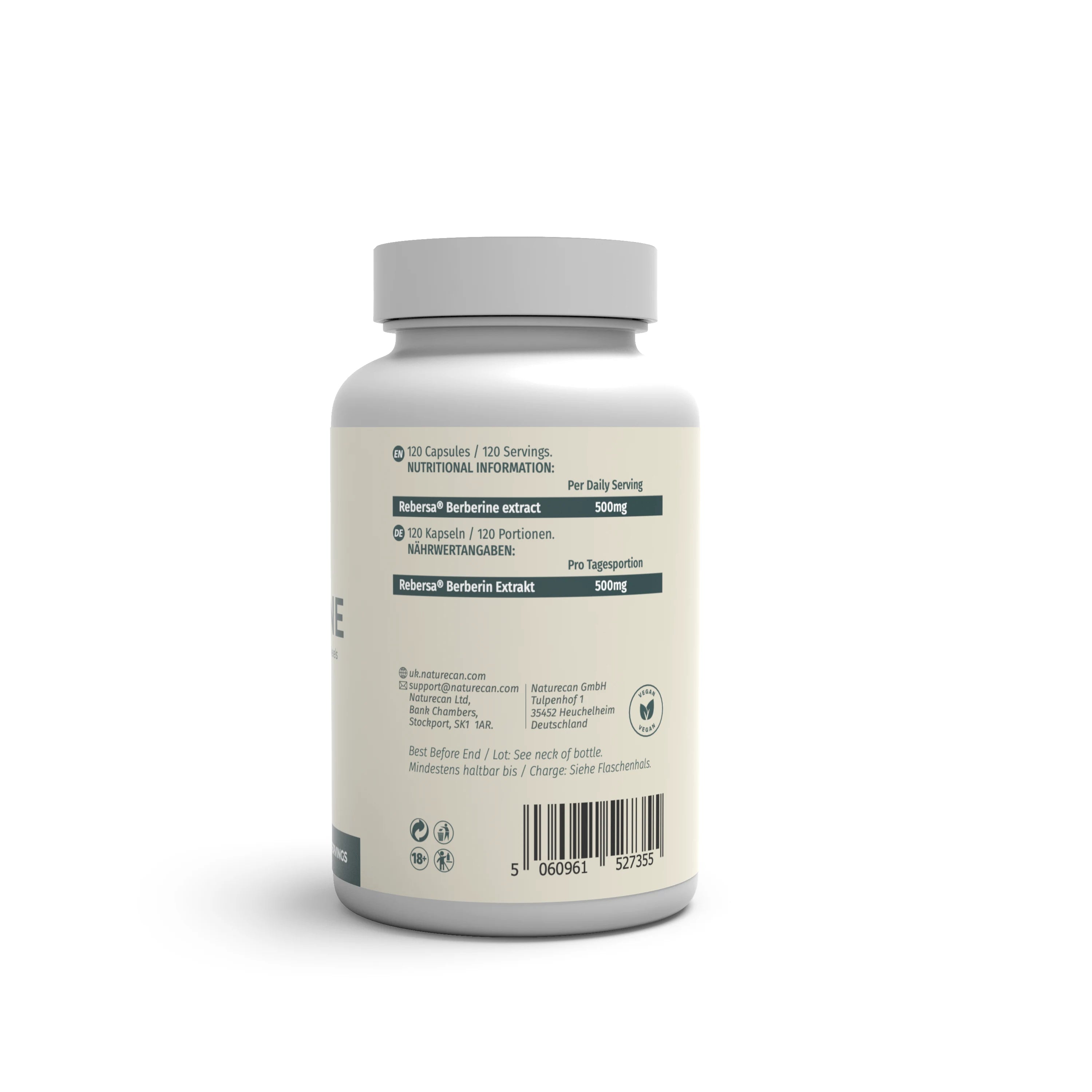
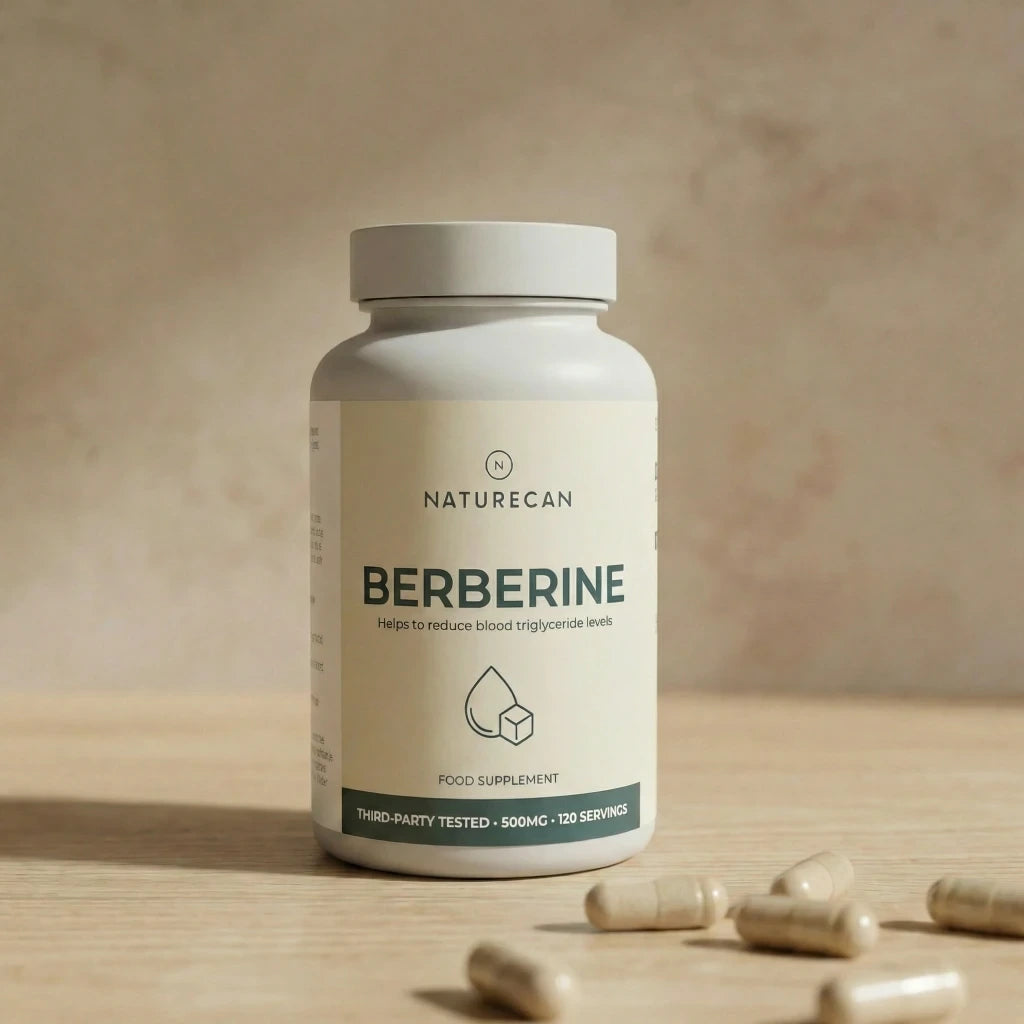
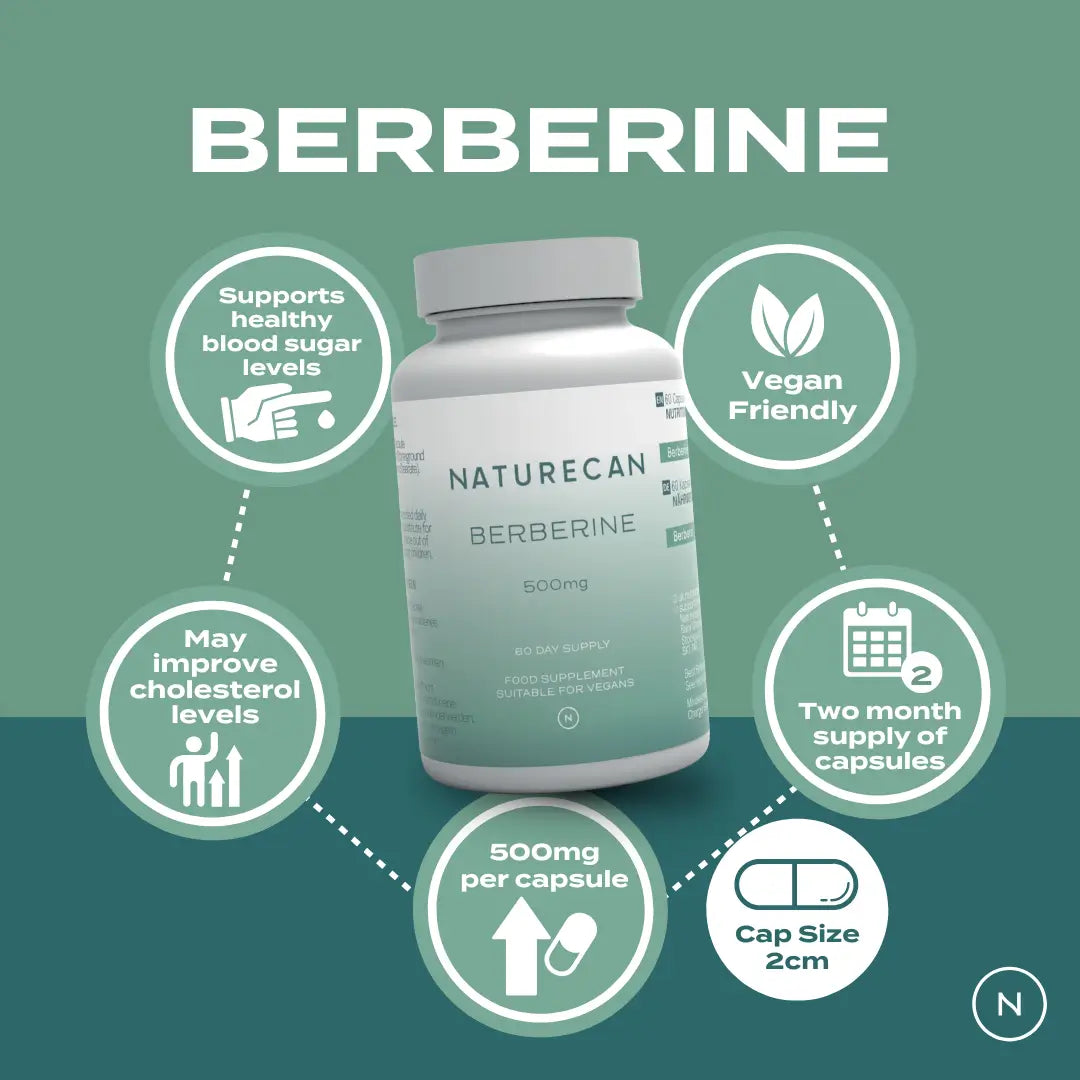
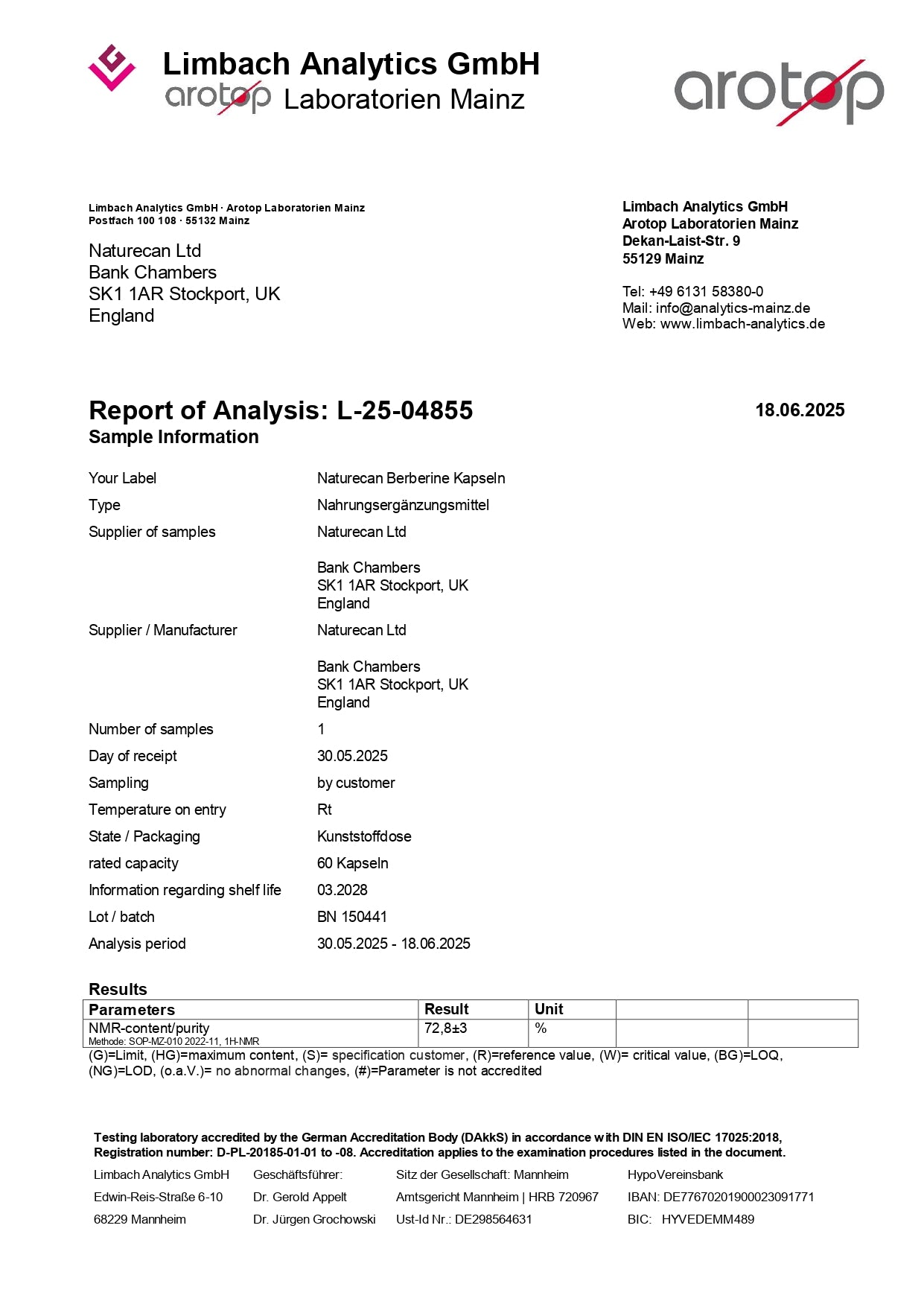
Featured Supplement: Berberine
Formulated with improved wellness in mind, these high-quality supplements can help with maintaining normal cholesterol levels, and may promote longevity.
Providing your body with the nutrients it needs can be difficult through diet alone, supplementing your body with Berberine can provide you with the necessary nourishment to help keep it working efficiently.
- Supports healthy blood sugar levels
- May improve cholesterol levels
- Vegan
- 500mg per capsule
- 2 month supply

Do oral supplements work as well as prescription GLP-1 drugs?
No, oral GLP-1 supplements are not a replacement for prescription medication. They do not contain GLP-1 receptor agonists and will not produce the same effects as Ozempic or Wegovy (6).
What they may do, as part of a broader healthy lifestyle, is support the body's own metabolic processes in ways that complement good nutrition and regular movement. The evidence for ingredients like berberine and Reducose is genuine. Realistic expectations still matter.
Are oral GLP-1 supplements approved in New Zealand?
Natural GLP-1 support supplements (berberine, Reducose, omega-3s, and similar) are sold as food supplements under New Zealand food law. They do not require MHRA pre-market approval. That means they can be sold legally, but they have not been through the same safety and efficacy assessment as licensed medicines.
This is why buying from brands that provide clear labelling and third-party testing matters: it is the main quality check available to consumers in the absence of pre-approval.
This is a different regulatory category from prescription GLP-1 drugs such as Wegovy and Mounjaro, which are MHRA-licensed medicines that have undergone full clinical assessment. The two should not be confused.

Bottom line: Oral GLP-1 supplements have a more substantiated evidence base than patches. The ingredients have been studied in human trials through oral delivery, which aligns with how these products are actually taken.
Featured Supplement: GLP-1
Powered by clinically studied ingredients including Metabolaid®, Eriomin® and Chromium, this all-in-one formula works in harmony with your body to support satiety, metabolism, and the maintenance of normal blood glucose levels.
Combining plant extracts, flavonoids, and essential micronutrients, it may help support key metabolic processes linked to appetite regulation and glucose balance.
- Supports satiety and appetite regulation
- Helps maintain healthy blood glucose levels
- Provides antioxidant and inflammation support
- Vegan-friendly capsules
- 2 capsules daily (30/60 servings per bottle)
Prescription GLP-1 Drugs: For Context
Prescription GLP-1 treatments are a completely different category from patches or supplements. They are not alternatives to non-prescription products; they are medical treatments requiring clinical oversight and are included here only to clarify the distinction.

Important: Prescription GLP-1 treatments require medical supervision, involve injections, and come with potential side effects. They are a different category entirely from natural supplements and should be discussed with a healthcare professional.
What is GLP-1 microdosing?
GLP-1 microdosing refers to using very low doses of prescription GLP-1 medications. It is discussed in some online communities, but there is very limited scientific evidence supporting its safety or effectiveness. Any use of prescription medication should occur only under medical supervision (6).

Wegovy vs Ozempic vs Mounjaro & Prescription-Free Alternatives
Discover the difference between popular weigh loss jabs and natural alternatives.
Read MorePatches vs Supplements: Which Is Better for You?
Choosing between GLP-1 patches and oral supplements comes down to weighing several practical factors, including evidence base, convenience, absorption considerations, ease of routine, and product transparency.
| Factor | GLP-1 Patches | Oral GLP-1 Supplements |
|---|---|---|
| Evidence base | Very limited; no high-quality human trials for transdermal natural GLP-1 support | Supported by multiple human studies (berberine, Reducose, omega-3s) |
| Absorption route | Transdermal; most natural ingredients cannot cross the skin barrier effectively | Oral/digestive; well-understood, extensively researched pathway |
| Dosing consistency | Variable; affected by skin type, temperature, placement, and adhesion | Precise and measurable with each use |
| Regulatory status (New Zealand) | Not MHRA approved; no formal safety or efficacy assessment | Regulated as food supplements; reputable brands offer third-party testing |
| Convenience | Hands-free once applied; risk of peeling or skin irritation | Simple daily routine; fits easily alongside meals |
| Best suited for | Those drawn to novelty formats, though evidence is currently insufficient | Those who want evidence-backed ingredients in a familiar, consistent format |

Which should you choose?
If scientific evidence is the priority, oral supplements have a clear advantage. The ingredients associated with metabolic and GLP-1 support have been studied in humans taking them orally. Applying those same ingredients to the skin introduces an absorption barrier that has not been validated for this purpose. (7,9,10,11,12).
If convenience is the main concern, both formats have practical merits. Patches are hands-free. Oral supplements are simple to integrate into a daily routine and offer more predictable dosing. Neither is objectively harder to use.
The most important consideration is that your choice is an informed one, based on science, personal routine, and realistic expectations. Bold marketing claims should be treated with scepticism regardless of the format. A product that lacks evidence for its delivery method is not a credible option, however appealing the ingredient list looks.
Our view: Oral GLP-1 supplementation, combined with good nutrition and consistent habits, is the more evidence-supported non-prescription option. Naturecan's GLP-1 support range uses transparent formulations and third-party tested ingredients for this reason.
Want practical support for your GLP-1 journey?

Weight-loss tips, lifestyle advice, and practical support — all in one place.
In this guide, we share easy, actionable tips to help you get the most out of your GLP-1 routine, support healthy weight loss, and build habits you can actually stick to.
Conclusion
GLP-1 patches and oral supplements are not equivalent options. The evidence base for the ingredients used in GLP-1 support is built almost entirely on oral delivery. Applying those same ingredients to the skin introduces an absorption barrier that has not been validated for this purpose (7,9,10), and no New Zealand regulator has approved any over-the-counter GLP-1 patch for safety or efficacy.
Oral GLP-1 supplements are not a substitute for prescription medication either. What they can do, used consistently alongside good nutrition and regular movement, is support the body’s natural metabolic processes using ingredients that have been properly researched (9,10,11,12). That is a more modest claim than many products make, but it is an honest one.
Naturecan’s GLP-1 support range is built on this principle: transparent formulations, third-party tested ingredients, and no overstated claims. If you are looking for non-prescription metabolic support grounded in research, explore the range.
FAQs
Which prescription GLP-1 is best for weight loss?
Wegovy contains semaglutide and is approved specifically for weight management in the New Zealand (16), while Mounjaro acts on two hormone pathways (GLP-1 and GIP) and has demonstrated greater average weight loss in head-to-head clinical trials (17). The most suitable option depends on individual health factors and should always be discussed with a healthcare professional.
How often should you use GLP-1?
Prescription GLP-1 medications are usually taken once weekly, following medical guidance (15,16,17). However, natural metabolic support, such as dietary changes or supplementation, is typically used daily as part of a consistent routine. Long-term consistency, rather than short-term use, is key for sustained benefits.
What is an “Ozempic face”?
“Ozempic face” is a non-medical term used to describe facial volume loss that can occur with rapid weight loss. This effect is not unique to Ozempic and may happen with any significant or fast reduction in body weight, regardless of the method used.
Is semaglutide the same as Ozempic?
Yes. Ozempic contains the active ingredient semaglutide. However, semaglutide is also used in other medications, such as Wegovy, which contains a higher dose and is approved specifically for weight loss (15,16).
Do GLP-1 patches actually work for weight loss?
Currently, there is no high-quality scientific evidence showing that over-the-counter GLP-1 patches lead to meaningful or sustained weight loss. The ingredients they contain have primarily been studied in oral form, and transdermal delivery has not been validated for these compounds (7,9).
Which is better: GLP-1 patches or oral supplements?
Based on current evidence, oral supplements have a stronger scientific foundation. The ingredients commonly used in GLP-1 support have been researched primarily through oral intake, making oral supplements a more evidence-based choice (7,9,10,11,12).
What are the side effects of oral GLP-1 medicines?
Prescription GLP-1 medicines can cause side effects including nausea, vomiting, diarrhoea, constipation, and abdominal discomfort. These are typically most common during the dose escalation phase and should be monitored by a healthcare professional (15,16,17).

Reviewed by Paul Holmes
Director of Science and Innovation at Naturecan
Testing for large pharmaceutical & tobacco companies, Paul has built a wealth of scientific and regulatory knowledge, working on regulatory submissions to bodies such as the FDA and the MHRA.
He holds a BSc in Medicinal and Biological Chemistry and sits on the UKAS CBD Food Product Approval Expert Group.