Creatine For Women: Benefits, Uses And Side Effects

Written by Jordan Caulfield & reviewed by Paul Holmes.
Creatine for women is no longer just a gym-floor trend, it’s a well-researched supplement that more women are adding to their routines to increase physical performance, in successive bursts of short-term, high intensity exercise.
Your body already makes creatine naturally. It’s produced from three amino acids (arginine, glycine and methionine) in the liver, kidneys and pancreas, and stored mainly in your muscles. But the amount your body produces, and the amount you get from food, is relatively small. Supplementing simply increases your existing levels. Looking after your body is a long-term investment.
Whether you train regularly, are getting back into exercise, or simply want to feel strong and energised, evidence-based supplements may help support your goals.
Creatine monohydrate has become particularly popular as it is one of the most researched sports supplements available on the market today.
What Is Creatine?
Creatine is a natural compound stored mainly in skeletal muscle. Around 95% of it is found there, where it plays an important role in energy production.
When you perform short, high-intensity activities, such as lifting weights, sprinting or doing a HIIT session, your body uses a molecule called adenosine triphosphate (ATP) for energy.
Creatine may help your body regenerate ATP during short, high-intensity exercise, allowing you to sustain performance during those demanding efforts.

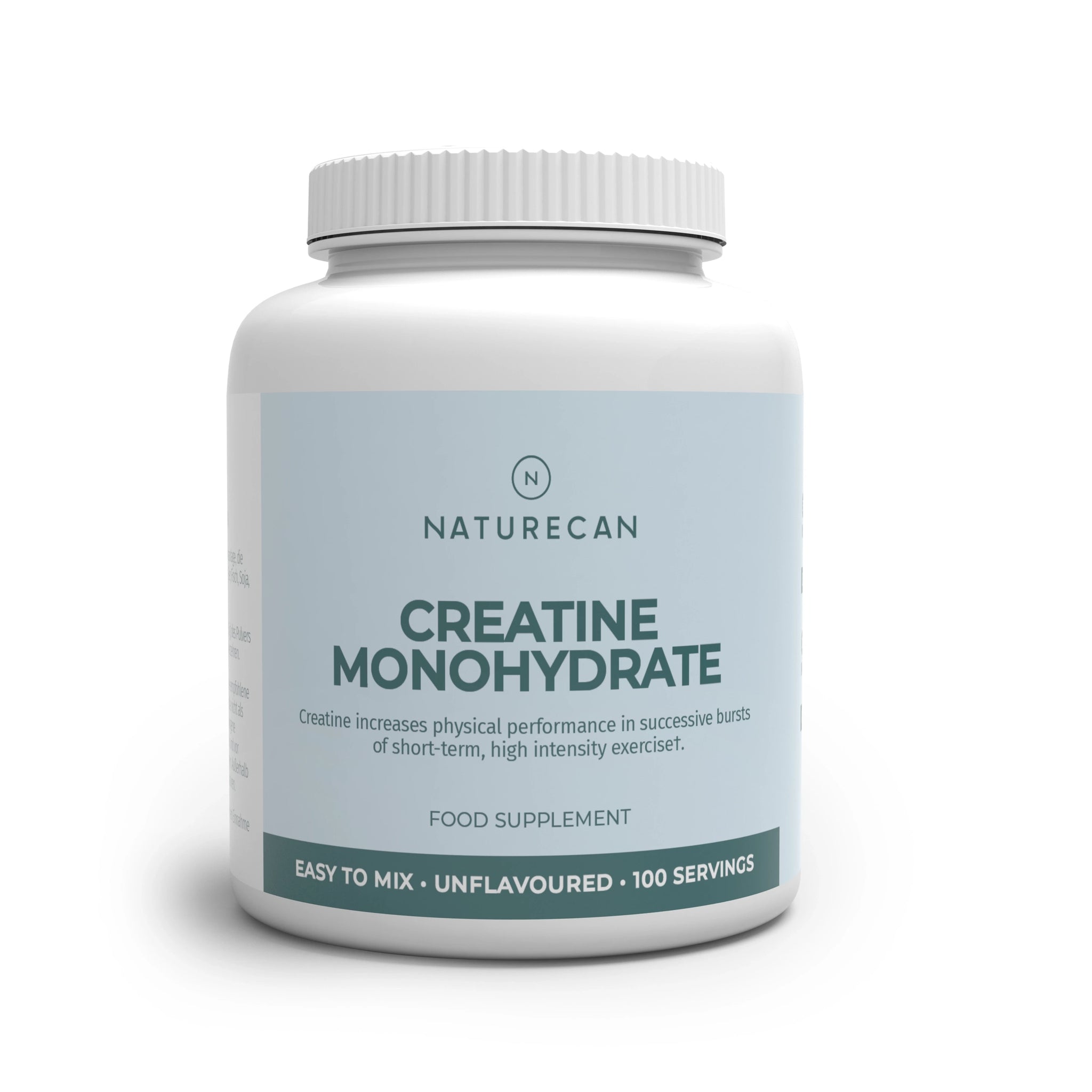
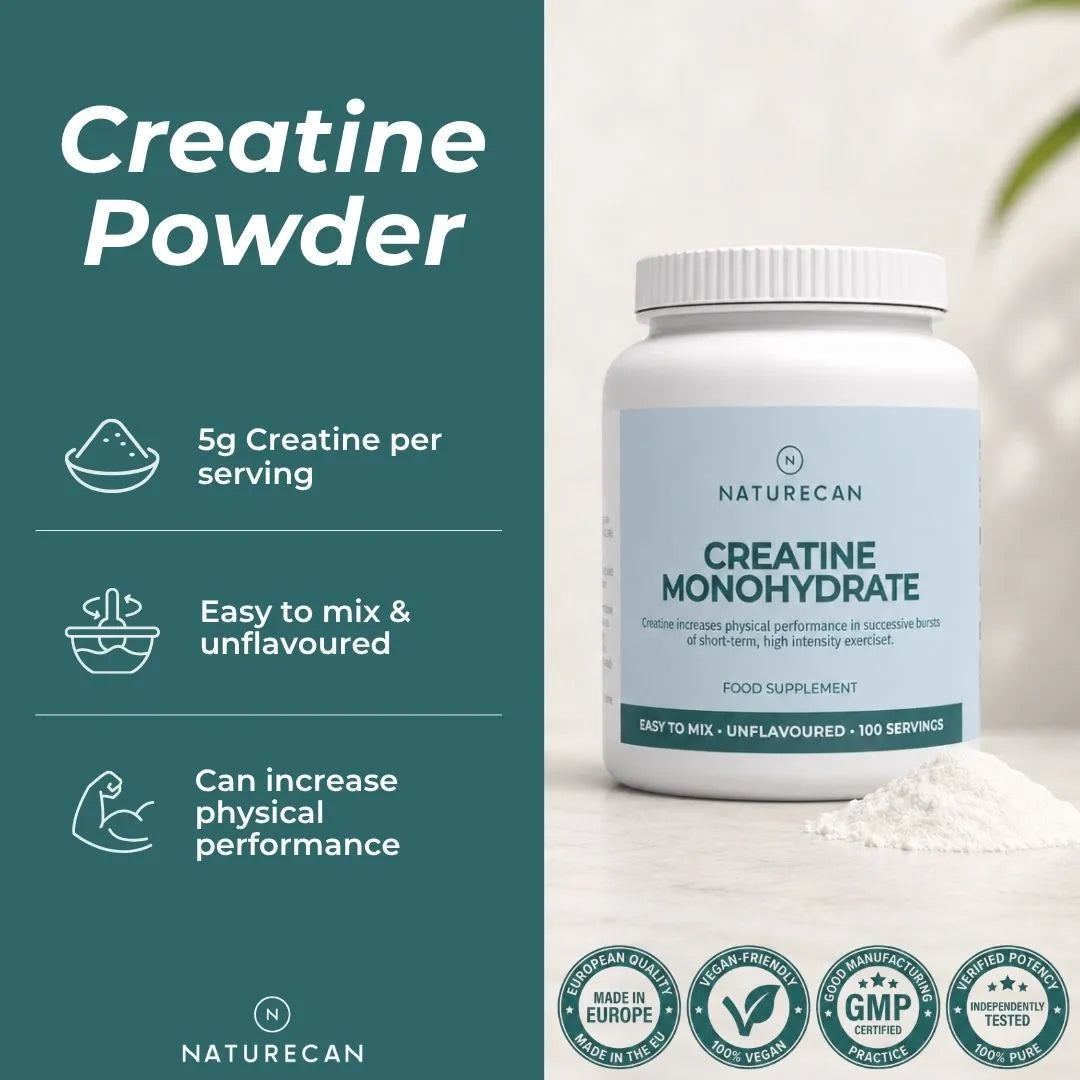
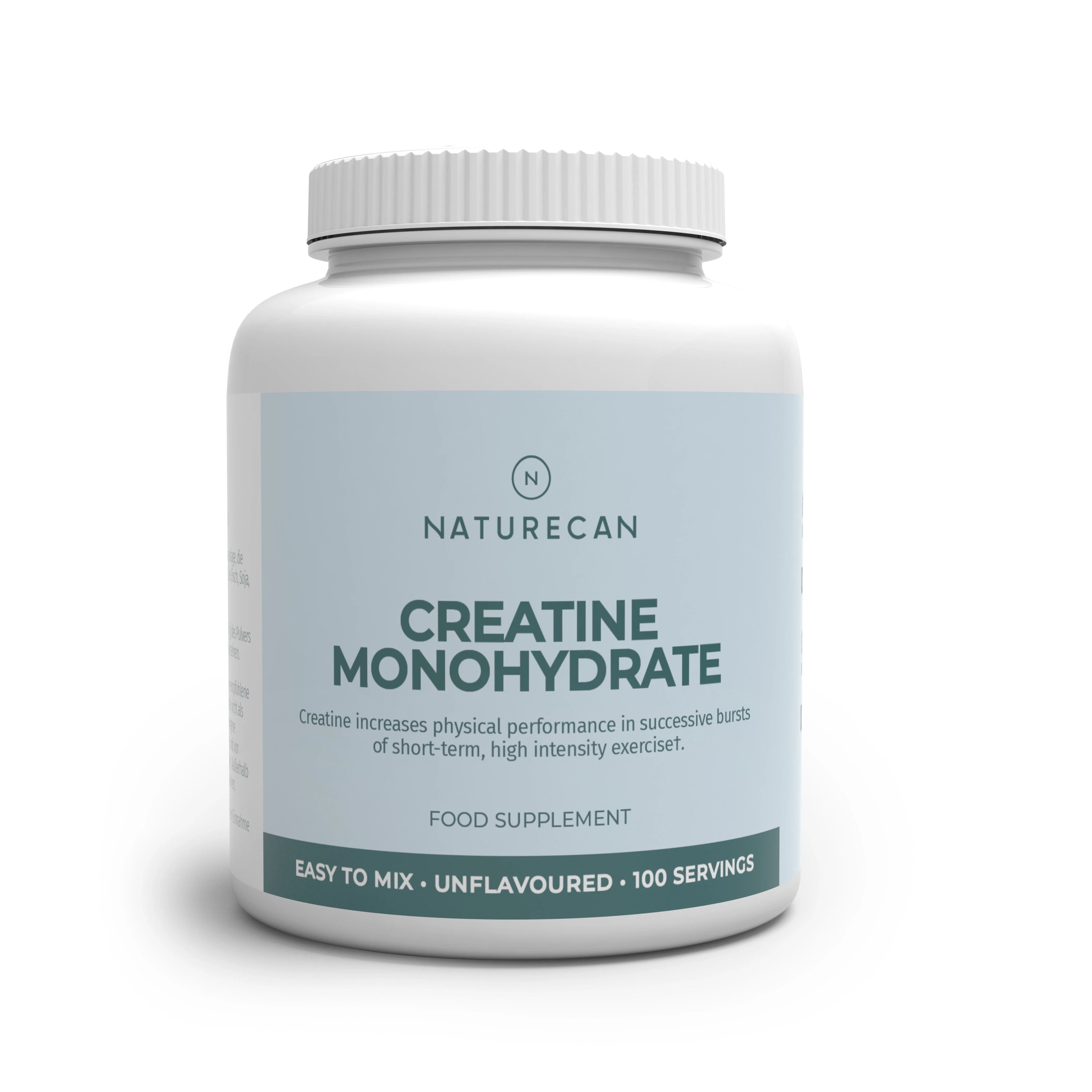
Naturecan Creatine Monohydrate
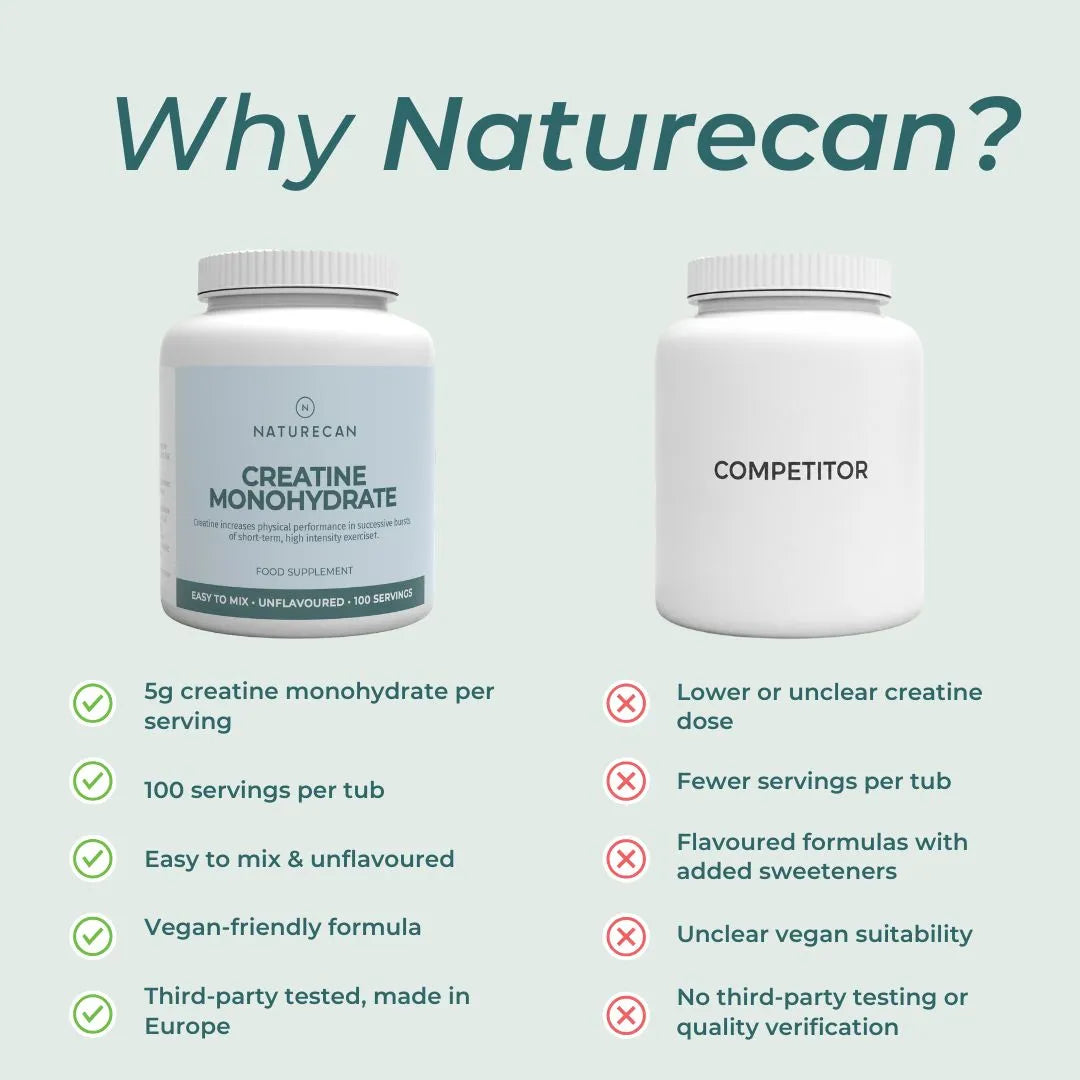
Unleash your peak performance with our premium Creatine Monohydrate, the essential supplement for any fitness journey. Whether you're into sports, gym workouts, or any form of exercise, our Creatine Monohydrate is designed to fuel your ambition and power your goals.
Potential Benefits:
- Ideal for all sports and exercise
- Easy-to-use, everyday supplement
- Suitable for vegans
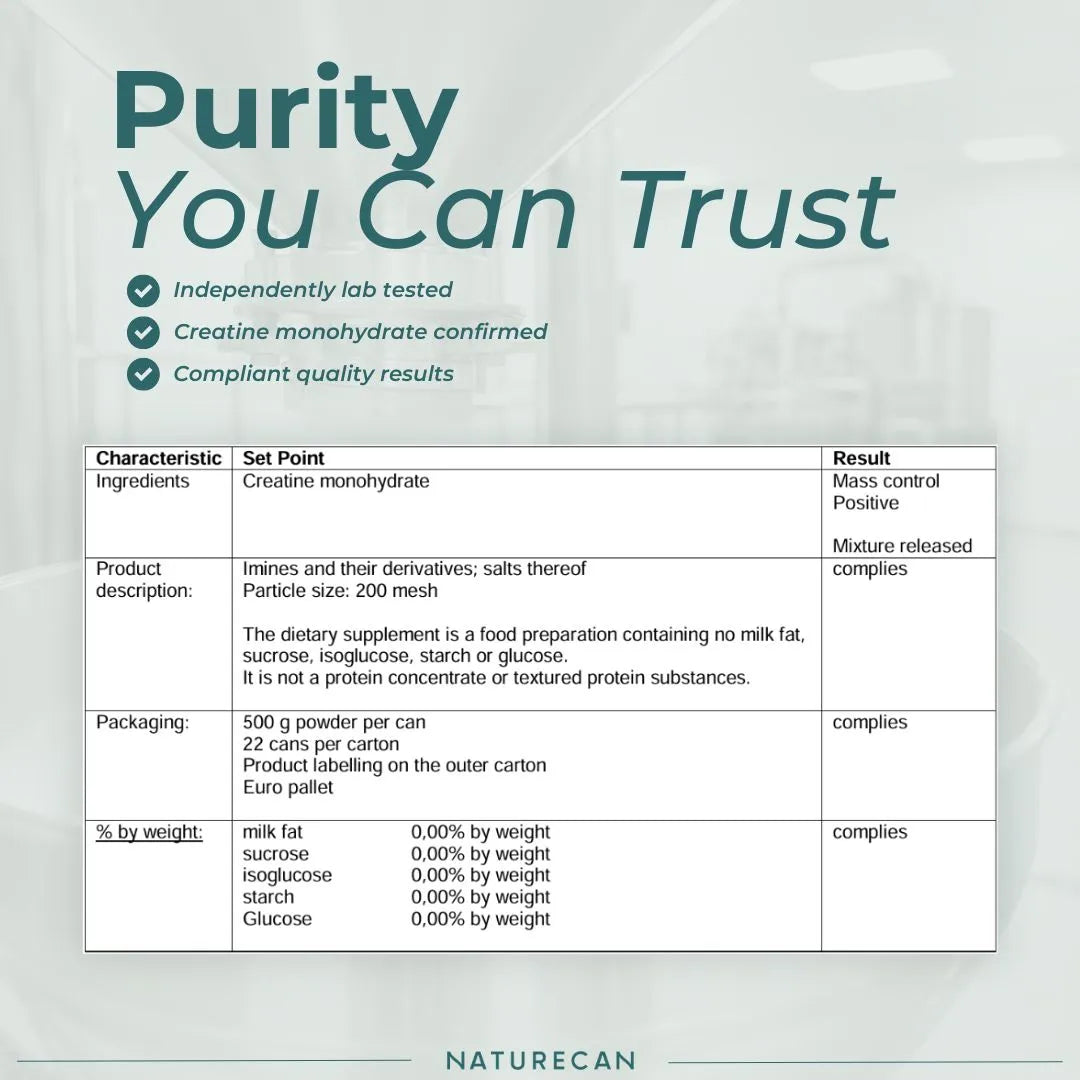
- Made in Europe in a GMP-Facility

Different Forms Of Creatine
There are several types of creatine available, including:
- Creatine monohydrate
- Creatine hydrochloride (HCL)
- Buffered creatine
- Creatine ethyl ester
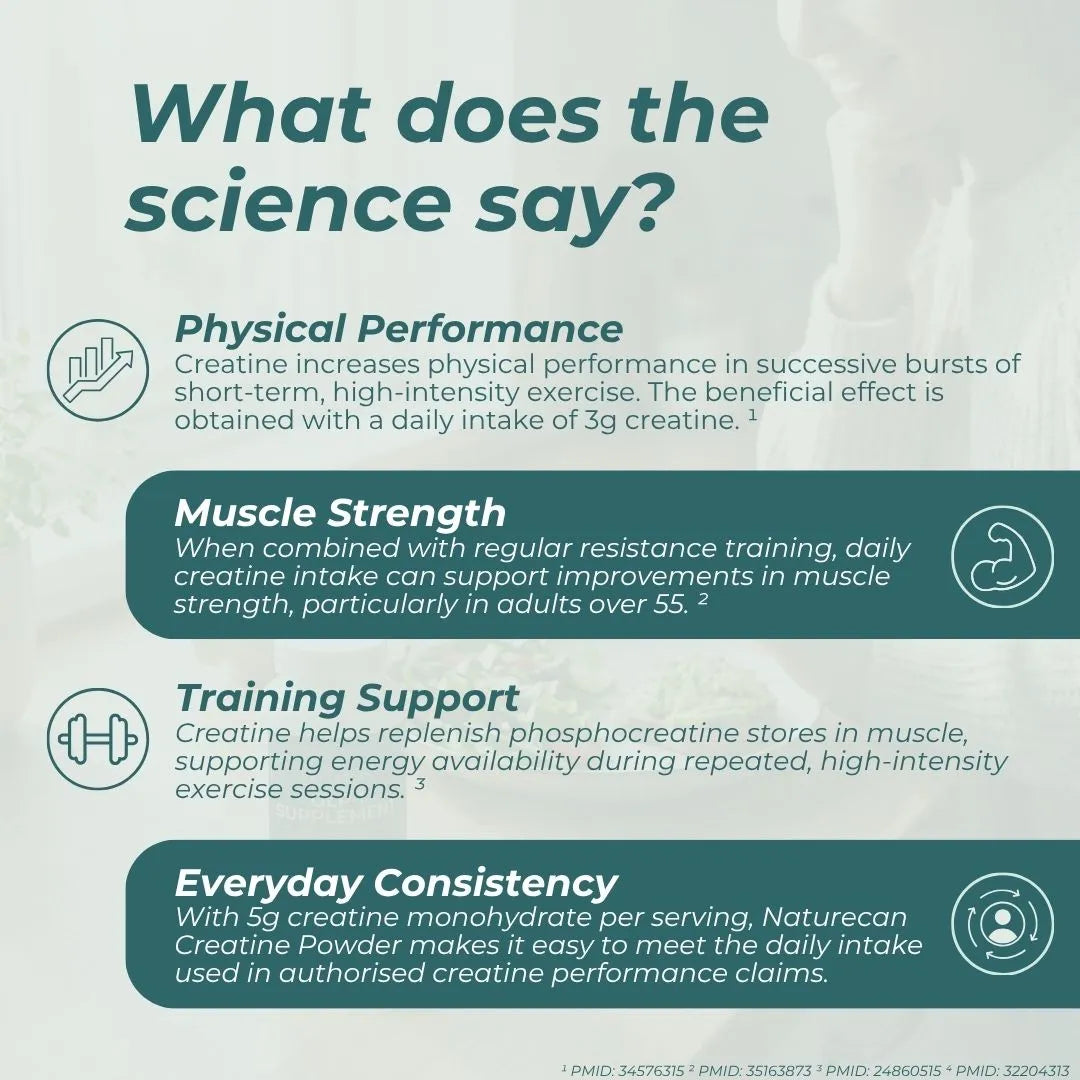
However, creatine monohydrate is the most widely studied and recommended form. A position stand from the International Society of Sports Nutrition concluded there is evidence supporting its safety and effectiveness for improving high-intensity exercise performance, with a beneficial effect at 3g per day.[1]
In simple terms, creatine monohydrate is the gold standard, and the form most supported by research.
What Does Creatine Do For Women?
So, what does creatine do for women?
Its main role is to increase phosphocreatine stores in your muscles.
This helps regenerate ATP, your body’s immediate energy source during short bursts of effort.
In practical terms, creatine may potentially help:
- Increases physical performance in successive bursts of short-term, high-intensity exercise
- Support lean muscle mass when combined with training
- Aid recovery between sets
It’s important to note that creatine is not a stimulant. It doesn’t work like caffeine. Instead, it supports energy production at a cellular level.
For women, this can translate to feeling stronger in the gym, progressing more consistently and maintaining muscle as part of an active lifestyle.

Can You Get Creatine From Food?
Yes, but in modest amounts.
Creatine naturally occurs in foods such as:
- Beef
- Pork
- Salmon
- Tuna
- Cod
- Chicken
- Venison
However, to reach the beneficial effect of at least 3g per day, you would need to consume relatively large portions daily. For many people, supplementation offers a more practical way to increase intake consistently.
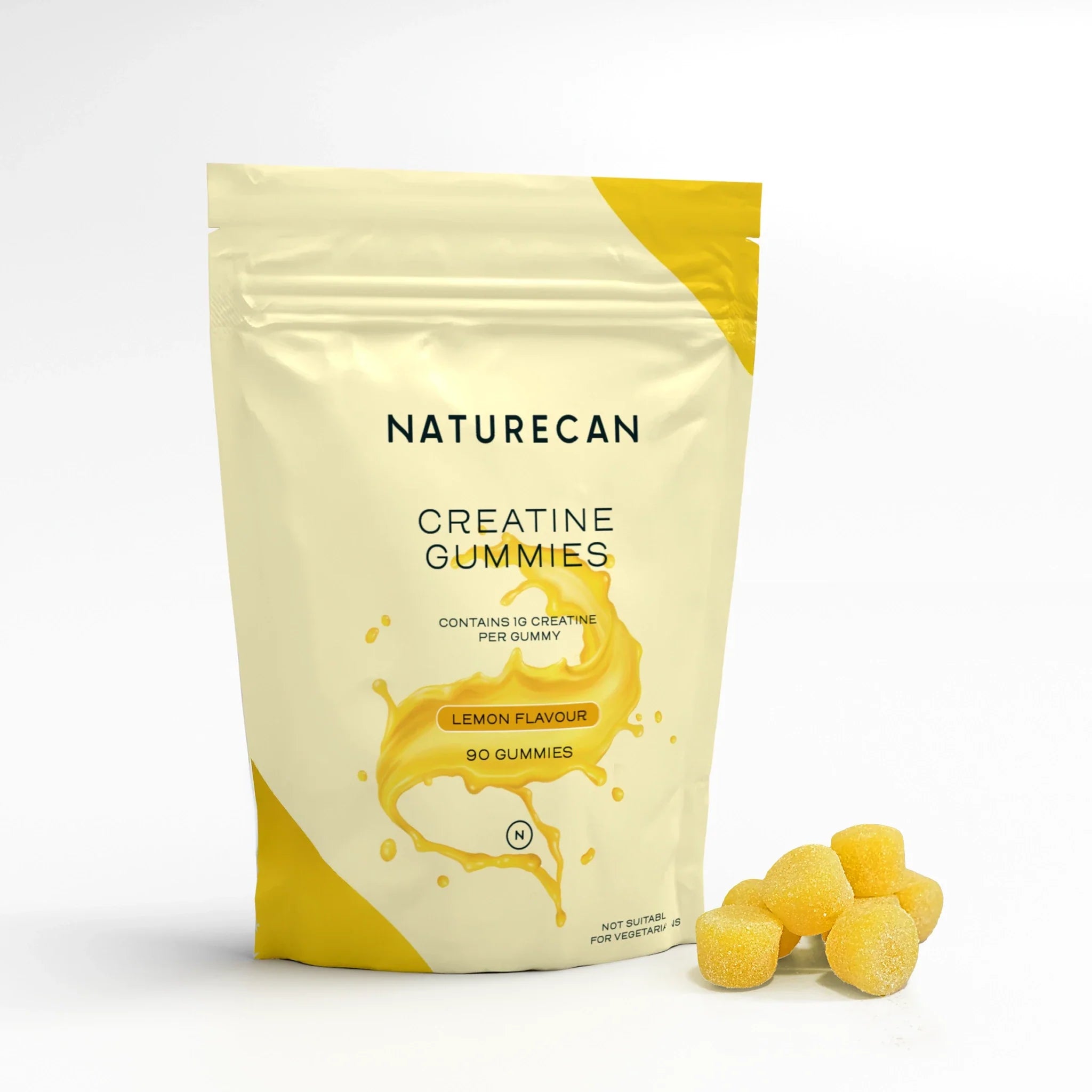
Naturecan Creatine Gummies
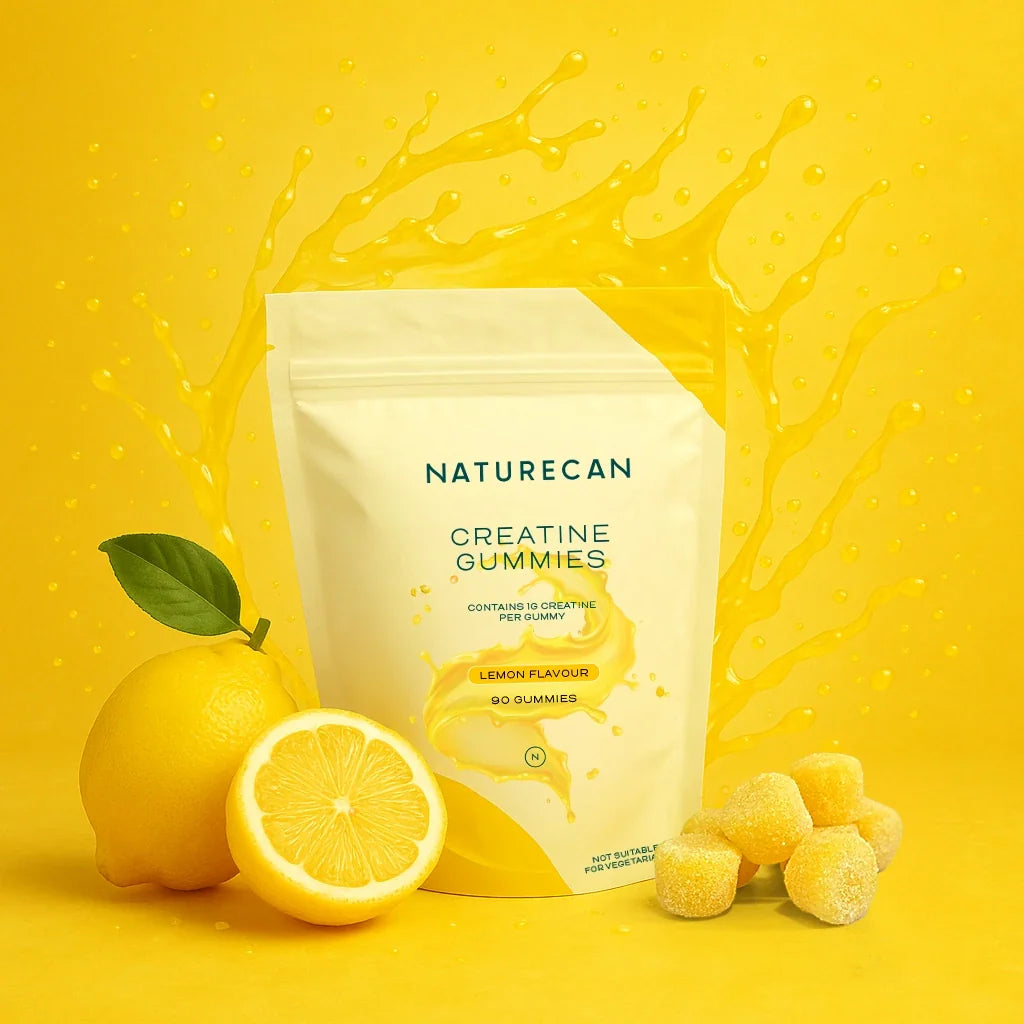
Boost your performance and support muscle strength with Naturecan's Creatine Gummies, a convenient, delicious alternative to traditional creatine monohydrate powders.
With 1g of creatine per gummy, it’s ideal for fitness enthusiasts, offering a simple way to fuel your training and recovery.
Potential Benefits:
- May support increased muscle strength and output
- Creatine increases physical performance in successive bursts of short-term, high-intensity exercise
- Made in Europe in a GMP-Facility
- Helps aid muscle recovery between workouts
- Lemon flavour
Benefits Of Creatine For Women
Many women ask: Is creatine good for women?
Research suggests that, when used appropriately alongside resistance training, creatine may potentially offer several benefits.
However, research is still ongoing in many of these areas.
Here are the key potential creatine benefits for women:
1. Strength And Lean Muscle
One of the most well-established benefits of creatine for women, and the general population is improved performance during high-intensity exercise, such as resistance training.
The International Society of Sports Nutrition states that creatine supplementation, alongside training, has strong evidence supporting increases in performance. [1]
For women, this may help support:
- Improved lifting performance
- Which could increase muscle tone
- Resulting in greater training progression

2. Training Consistency
Because creatine helps replenish ATP, it may increase physical performance across repeated sets.
This can make workouts feel more productive and may assist with maintaining consistency over time.

3. May Support Cognitive Performance
Emerging research suggests creatine may support aspects of cognitive function in certain situations.
A review published in 2018 indicated potential cognitive benefits, particularly short term memory and intelligence associated with creatine supplementation, although further research is needed. [2]
While this area is still developing, it highlights that creatine’s role may potentially extend beyond muscle alone.
However, this is still a burgeoning area of research and more data is needed to substantiate these effects.

4. Active Ageing
Maintaining muscle mass is important throughout life. Resistance training plays a key role here, and creatine may support this process when combined with appropriate exercise.
Although resistance training alone is effective at improving ageing muscle mass, daily creatine consumption can enhance the effect of resistance training on muscle strength in adults over the age of 55. [3]

What The Science Says
Creatine is one of the most studied supplements in sports nutrition.
It’s important when looking at the creatine benefits for women to ensure that products are science-backed, and that there is evidence to potentially support the benefits of creatine supplementation, in helping to decide the best creatine for women.
Potential Side Effects Of Creatine For Women
Creatine is generally well tolerated. However, some individuals may experience mild side effects, particularly when starting.
These may include:
- Digestive discomfort
- Water retention
- Bloating
- Mild dehydration
These effects are often temporary and may reduce with:
- Consistent daily dosing (3–5g)
- Adequate hydration
- Avoiding excessive consumption beyond the recommended daily serving
If you have any underlying health conditions or concerns, always speak to a healthcare professional before starting supplementation.
Does Creatine Make You Gain Weight?
This is one of the most common concerns.
Creatine can increase water content inside muscle cells. This may cause a small increase on the scales, particularly in the early stages.
However, this is typically related to water stored in muscle tissue, not fat gain.
Consistent use, alongside proper hydration, may help to stabilise weight.

Does Creatine Cause Hair Loss?
A small 2009 study in male rugby players suggested creatine supplementation increased levels of DHT (a hormone linked to hair loss). [4] However:
- The study did not measure hair loss directly
- It was conducted in men
- It has not been widely replicated
Currently, evidence is insufficient to establish a link between creatine consumption and hair loss in women.

How To Take Creatine
Creatine is available in several forms, including powder and gummies. At Naturecan, we recommend taking 3 gummies at once to reach the daily recommended creatine intake.
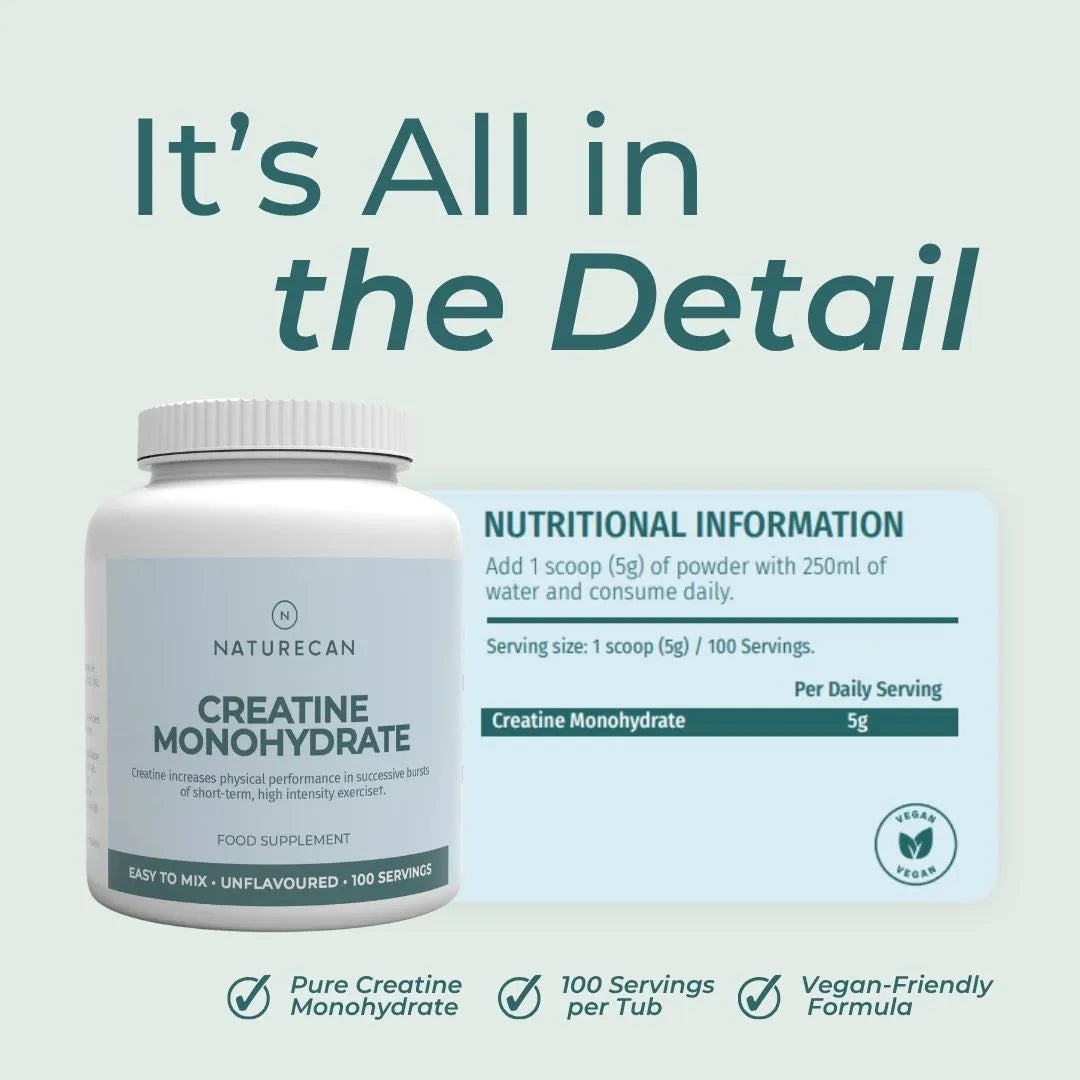
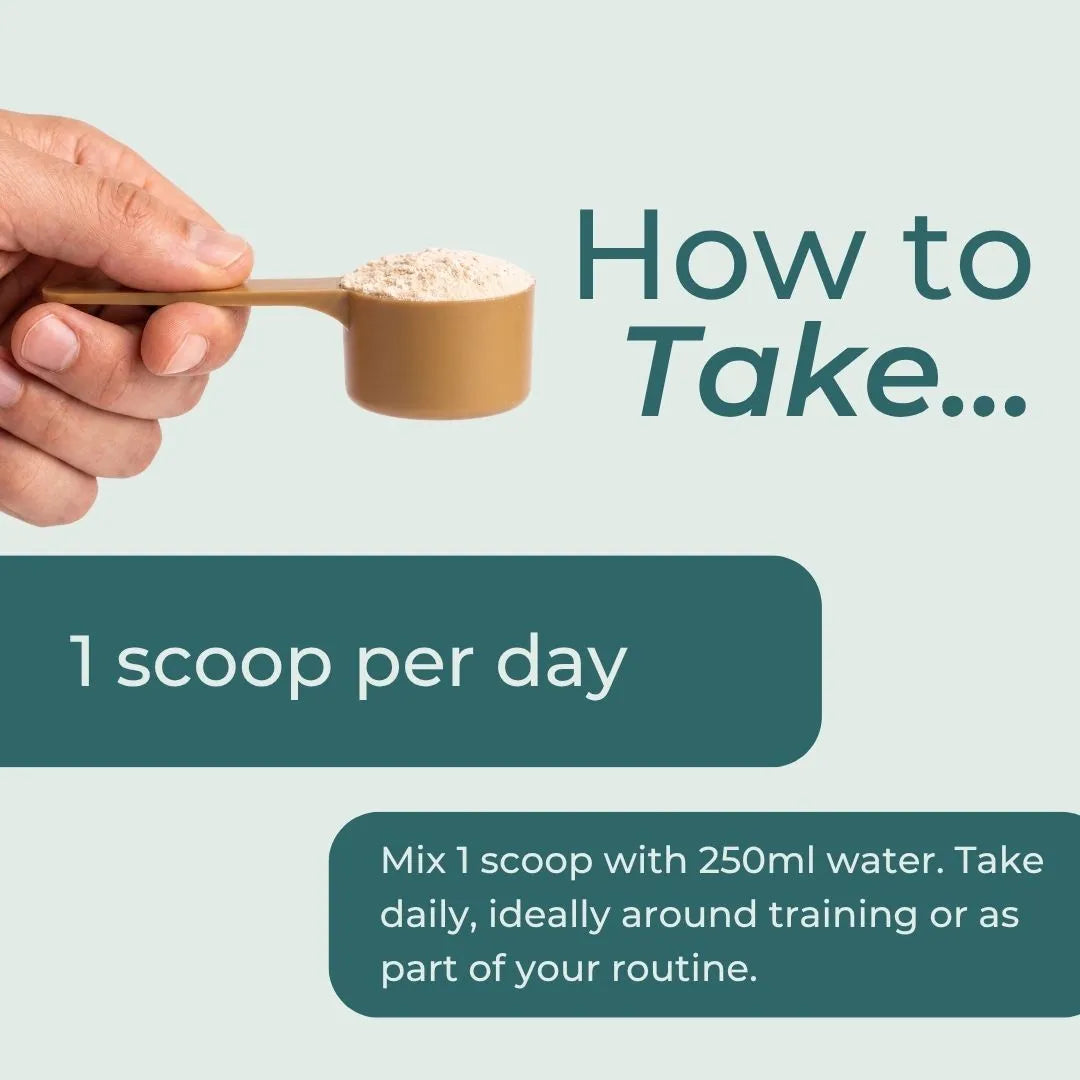
As for powder, you should take 1 scoop (5g) mixed with water or into a shake to reach the daily recommended intake.
Recommended Daily Intake
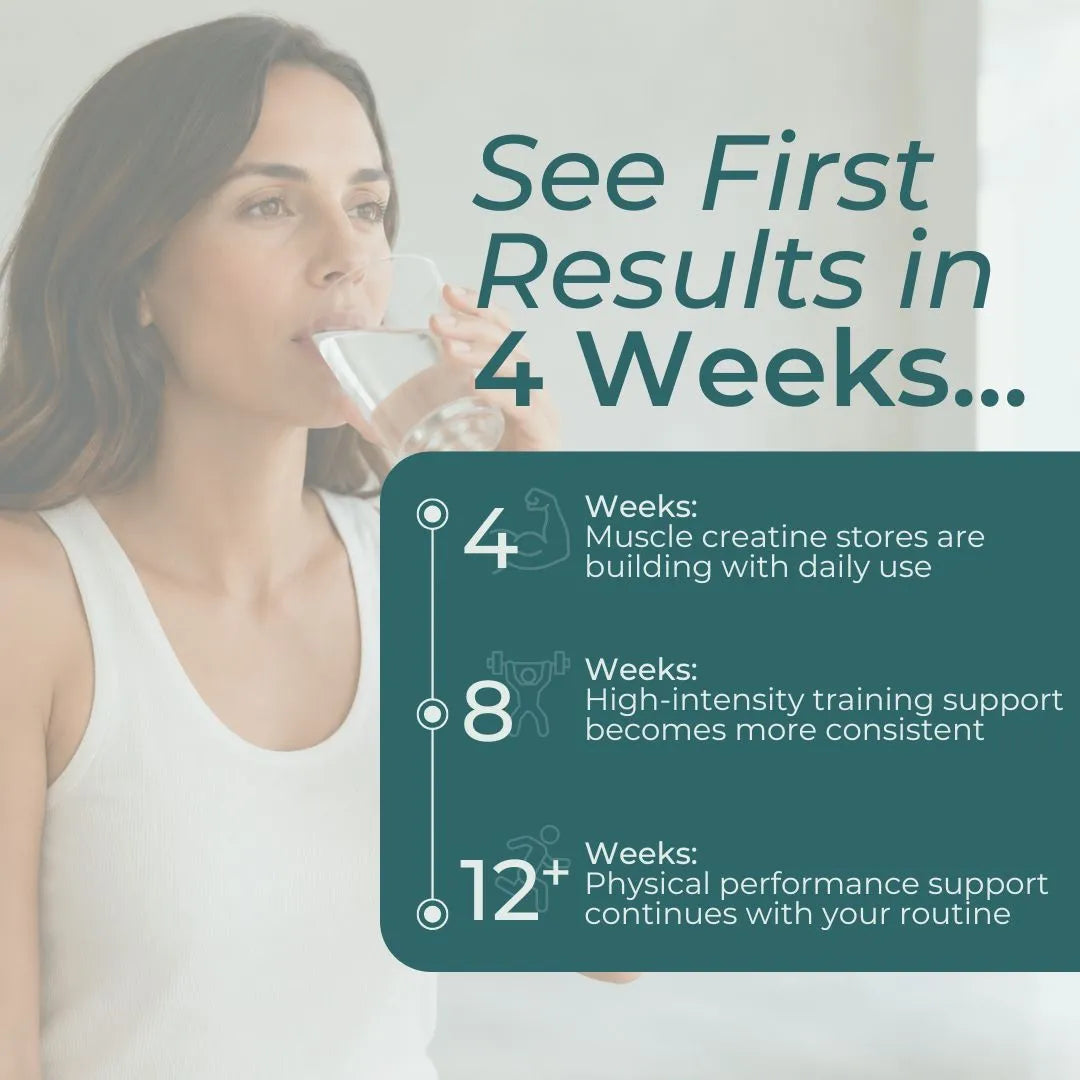
The beneficial effect for performance is obtained with at least 3g of creatine monohydrate daily.
Consistency matters more than timing.
When Should You Take Creatine?
You can take creatine:
- After your workout
- With a meal
- At any consistent time of day
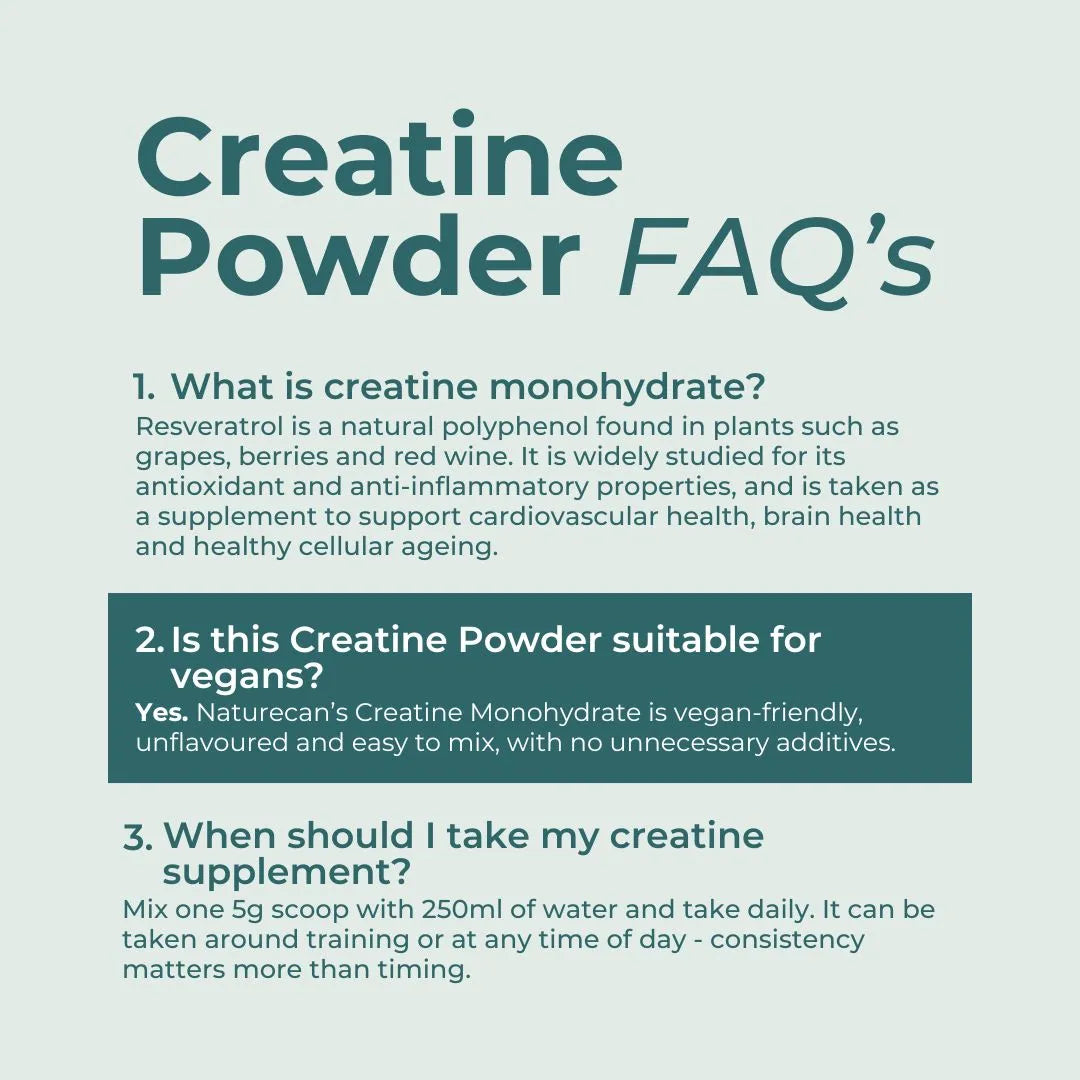
You should also take creatine on rest days to maintain muscle creatine stores. Naturecan’s Creatine Powder can be mixed into water, juice or a protein shake.
For convenience, Creatine Gummies offer a pre-measured alternative that fits easily into busy schedules.
If you’re building a supplement routine, combining creatine with protein, such as whey protein or vegan protein options can be an important dietary consideration for people who train regularly.
Conclusion
Creatine for women is backed by decades of research. It increases physical performance in successive bursts of short-term, high intensity exercise.
It is not a steroid. It is not a stimulant. It is a naturally occurring compound your body already produces.
If you’re looking for a practical way to support your training, consistency and long-term strength, creatine monohydrate is one of the most evidence-supported options available.
At Naturecan, we focus on quality, transparency and education. Our Creatine Powder and Creatine Gummies are designed to make daily supplementation simple and reliable, helping you meet the beneficial intake of at least 3g per day.
It’s never too late to start supporting your health with informed, science-backed choices.
FAQs
When should you take creatine?
At any consistent time of day. Daily intake is more important than timing.
Is creatine a steroid?
No. Creatine is a naturally occurring compound made from amino acids. It is not a hormone or steroid.
Can you put creatine in coffee?
Yes. You can mix creatine into coffee. Allow very hot drinks to cool slightly before adding.
Does creatine make you bloated?
Some people may notice temporary water retention when starting. This often settles with continued use and proper hydration.
Should I take creatine on rest days?
Yes. Daily use helps maintain muscle stores.
Does creatine give you energy?
Creatine increases physical performance in successive bursts of short-term, high intensity exercise at 3g per day.
Can creatine cause headaches?
Headaches are not common but may occur if hydration is inadequate.
Does creatine cause acne?
There is currently no strong evidence linking creatine supplementation to acne.

Reviewed by Paul Holmes
Director of Science and Innovation at Naturecan
Testing for large pharmaceutical & tobacco companies, Paul has built a wealth of scientific and regulatory knowledge, working on regulatory submissions to bodies such as the FDA and the MHRA.
He holds a BSc in Medicinal and Biological Chemistry and sits on the UKAS CBD Food Product Approval Expert Group.