Best Longevity Supplements New Zealand (2026): 8 Science-Backed Compounds Ranked

Published: Apr 10, 2024 | Updated: June 23, 2026
Medically Reviewed by Dr Lilla Csonka: May 19, 2026
Written by Georgia Chappell
In recent years, the quest for longevity has shifted from mere myth to a tangible goal, thanks to advancements in nutritional science and biotechnology.
Longevity supplements, once a niche interest, have surged in popularity and are the subject of growing scientific investigation, with many consumers now actively seeking anti aging supplements.
This guide explores the top supplements for longevity, backed by scientific research and clinical trials, and explains why this trend deserves your attention.
Understanding Longevity and Ageing
What is Longevity?
Longevity refers to the length of an individual's life, particularly the extension of a healthy life well beyond the average lifespan within a population. It includes wanting to live longer and stay healthy, without chronic diseases or disabilities that come with getting older.
What is Healthspan?
Healthspan is the time in a person's life when they are healthy and free from chronic diseases and significant disabilities. Healthspan is about the quality of years lived, not just the total years. It's essential to take care of physical, mental, and emotional well-being as we get older, not just focus on lifespan.
Extending health spans aims to help people live longer and have a better quality of life. This means reducing the chances of getting age-related illnesses like heart disease, diabetes, and memory loss.
Research is being done to find ways for people to live longer and healthier lives during premature ageing. This includes making changes to lifestyle, diet, and taking supplements, including targeted anti-ageing supplements designed to support healthy ageing pathways. The goal is to help individuals have more energy and fulfilment in their lives during healthy ageing.

Extending health spans aims to help people live longer and have a better quality of life. This means reducing the chances of getting age-related illnesses like heart disease, diabetes, and memory loss.
Research is being done to find ways for people to live longer and healthier lives during premature ageing. This includes making changes to lifestyle, diet, and taking supplements that are the subject of growing scientific investigation into biological ageing mechanisms. The goal is to help individuals have more energy and fulfilment in their lives during healthy ageing.
What causes ageing?
Ageing is a complex process influenced by a combination of genetic, environmental, and lifestyle factors. The exact mechanisms are still being studied, but several key factors of ageing have been identified:
- Genetic Factors: Telomere shortening in chromosomes contributes to cellular ageing.
- Oxidative Stress: Imbalance between damaging free radicals and protective antioxidants.
- Cellular Senescence: Aged cells stop dividing but don't die, releasing harmful substances.
- Mitochondrial Dysfunction: Decreased energy production in cells' mitochondria with age.
- Hormonal Changes: Fluctuations in hormone levels affect various body functions.
- Inflammation: Chronic inflammation is linked to ageing and age-related diseases.
- Lifestyle Factors: Diet, exercise, and exposure to toxins impact ageing.
- Accumulation of Cellular Damage: Cells accumulate damage over time, impairing function.
Epigenetic Changes: Changes in gene expression without altering DNA, influenced by environment and lifestyle.

These factors collectively contribute to the complex process of ageing, offering potential targets for interventions to slow ageing and improve healthspan.
There are many different ways to tackle ageing, and while supplementation should only be considered as a small part of it, interest in longevity and anti-ageing supplements has grown rapidly, with research in the last few years showing promising signs.
The Longevity Guide: Everything You Need to Know About Longevity


This is our complete beginner's guide to Longevity. We explain what it is, what studies are available, where it comes from, what it is used for, and a few other facts you may not know.
Quick Reference: 8 Longevity Supplements at a Glance
| Primary Mechanism | Evidence Tier | Typical Dose | Naturecan Product | |
|---|---|---|---|---|
| NMN | NAD+ restoration | Strong (multiple RCTs) | 500 mg/day (EU max) | NMN Supplement |
| Urolithin A | Mitophagy / immune ageing | Strong (2025 Nature Aging RCT) | 500 mg/day | Urolithin A |
| Fisetin | Senolytic (clears senescent cells) | Moderate (human pilot data) | 100–500 mg/day | Fisetin |
| Spermidine | Autophagy induction | Moderate (observational + mechanistic) | 1–5 mg/day | Spermidine |
| Resveratrol | Sirtuin activation / AMPK | Moderate (bioavailability caveats) | 500 mg/day | Resveratrol |
| NR | NAD+ restoration (alt. pathway) | Strong (multiple RCTs) | 300–500 mg/day | NAD Supplement (NR) |
| CoQ10 | Mitochondrial energy / antioxidant | Strong (cardiovascular RCTs) | 100–300 mg/day | CoQ10 Capsules |
| Collagen Peptides | Connective tissue / skin longevity | Strong (Verisol clinical studies) | 12.5 g/day | Collagen Peptides |
8 Best Longevity Supplements
1. Resveratrol
Resveratrol is a potent polyphenol and antioxidant found naturally in the skin of red grapes, certain berries, peanuts, and dark chocolate.
It has gained significant attention for its potential health benefits, particularly in the context of ageing and longevity. Pterostilbene is also a known part of Resveratrol, which we will discuss more later on in this article. This compound is also famously present in red wine, leading to widespread interest in its effects on health and lifespan.
Potential Benefits of Resveratrol
- Heart Health: Resveratrol has been investigated in cardiovascular biology research, including the [Cheng et al., 2020] study referenced above. Naturecan does not make authorised health claims for resveratrol in relation to cardiovascular outcomes. [1]
- Ageing and Longevity: Resveratrol has been studied in the context of ageing biology, including research into sirtuin proteins and NAD+ pathways. These are areas of active scientific investigation. Furthermore, findings suggest that it may influence mechanisms involved in ageing, such as DNA repair, the production of protective enzymes, and the reduction of inflammatory processes. Naturecan makes no authorised health claims for resveratrol in relation to ageing or longevity outcomes.
- Metabolic Benefits: Researchers have examined resveratrol in studies of metabolic parameters. A 2018 study studied resveratrol and its relation to insulin sensitivity and blood glucose levels, however this remains an active area of study with no established conclusions for human health yet.
- Neurological Research: Some pre-clinical research has investigated resveratrol's interactions with certain neurological pathways. Evidence in humans remains very limited and no health claims have been authorised yet.
Recommended Dosage
The optimal dosage of resveratrol supplements can vary, but most studies suggest benefits within the range of 100-500 mg per day. It's important to note that the absorption and bioavailability of resveratrol can be low, and some products are formulated with enhancers to improve uptake. Most quality supplements use trans-resveratrol - the biologically active isomer - rather than cis-resveratrol; look for this specified on the label as it is the form used in the majority of clinical research.


2. NAD+ Boosters (NMN: Nicotinamide mononucleotide)
Nicotinamide Mononucleotide (NMN) is a critical precursor to Nicotinamide Adenine Dinucleotide (NAD+), a coenzyme essential for a wide array of biological processes. NAD+ plays a pivotal role in energy metabolism, DNA repair, and the regulation of cellular and ageing processes.
Sources of NMN
NMN is present in small quantities in foods such as avocados, broccoli, cabbage, cucumbers, and edamame. However, these amounts are not sufficient to impact the levels of NAD+ in other nutrients in the body. This led to NMN supplements being created to increase NAD+ levels in other nutrients more effectively than diet alone.
How Much to Take Daily
The optimal dosage of NMN is still under investigation, with human studies still exploring a wide range of doses. Most human studies have used doses ranging from 250 mg to 1,000 mg per day, showing promising results in terms of safety and efficacy. However, individual needs may vary, and it's advisable to consult with a healthcare provider to determine the appropriate dosage.
A Note on the Current Evidence
NMN reliably elevates blood NAD+ levels in humans - this finding is consistent across multiple clinical trials and the delivery mechanism is well-established. However, a 2025 systematic review and meta-analysis of 12 randomised controlled trials (Zhang et al., 513 participants) found that most clinically relevant outcomes - including effects on glucose metabolism, lipid markers, and physical performance - were not significantly different from placebo controls. [10]
The gap between proven NAD+ elevation and proven downstream health benefits in otherwise healthy adults is the current frontier of NMN research. This is not a reason to dismiss NMN, but it is a reason to interpret marketing claims carefully and look for ongoing trials as the evidence base matures.


NMN and Resveratrol: A Common Stack
NMN and resveratrol are among the most frequently combined longevity supplements, and the pairing has a mechanistic rationale worth understanding. NMN boosts NAD+ - the molecule that sirtuin proteins (particularly SIRT1 and SIRT3) require as a co-substrate to perform cellular repair and longevity functions. Resveratrol is proposed to directly activate these same sirtuin proteins. The two compounds therefore target different points in the same pathway: NMN increases the substrate supply; resveratrol may prime the enzymes that use it.
Whether this combination delivers additive or synergistic benefits in humans has not yet been tested in a dedicated clinical trial, but the complementary mechanisms make it one of the more scientifically coherent supplement pairings discussed in longevity research.
3. Spermidine
Spermidine is a naturally occurring compound found both in the body and various foods. It plays a crucial role in autophagy, the body's cell renewal and cleaning process, which is linked to increased lifespan.
Sources of Spermidine
You can find spermidine in foods like wheat germ, aged cheese, mushrooms, and soy products. It is also available as a dietary supplement for those looking to boost their intake beyond what diet alone can provide.
Benefits of Spermidine
- Autophagy Induction: Spermidine is a naturally occurring polyamine that has been examined in research into autophagy - a cellular recycling process. No health claims have been authorised for spermidine in the EU. The research referenced is primarily pre-clinical and observational; Naturecan makes no health claims for this ingredient.
- Cardiovascular Research: Some observational studies have examined dietary patterns including higher spermidine-containing food intake in the context of cardiovascular research. Observational associations do not establish causation, and no health claim has been authorised for spermidine in the UK or EU.
- Cognitive Function: Pre-clinical models have explored spermidine's interactions with cellular processes relevant to neurological biology; human data is very limited.
- Immune Biology Research: Early-stage research has examined spermidine's effects on cellular function in the context of ageing science; no authorised health claims exist for this ingredient in the UK or EU.
Recommended Dosage
While there is no firmly established guideline for supplement dosage, studies investigating spermidine supplement benefits have typically used 1–5 mg/day. Incorporating spermidine-rich foods alongside supplementation is a sensible complementary approach.


4. Urolithin A: The Mitophagy Pioneer
Urolithin A is a postbiotic compound produced in the gut when bacteria metabolise polyphenols found in pomegranates and berries. Because its production depends entirely on individual gut microbiome composition, the majority of people cannot produce meaningful amounts from diet alone - making supplementation particularly relevant.
Mechanism: How Urolithin A Works
Urolithin A stimulates mitophagy - the selective recycling and removal of damaged mitochondria. This process is distinct from NMN's NAD+ pathway, positioning Urolithin A as a complementary rather than overlapping intervention. Impaired mitophagy is increasingly recognised as a key driver of age-related immune decline, muscle deterioration, and reduced cellular energy output.
Key Evidence
The MitoImmune trial (Nature Aging, 2025) examined a range of immune parameters and inflammatory biomarkers in participants supplementing with Urolithin A. The authors reported changes in these parameters [4]. A 2025 study examined Urolithin A in academy-level soccer players at 1,000 mg/day and measured aerobic and recovery parameters. This dose exceeds the EU-permitted maximum (500 mg/day); results are presented for informational context only. Naturecan makes no authorised health claims for Urolithin A.
Potential Benefits
- Immune Health: The MitoImmune trial (Nature Aging, 2025) examined Urolithin A and a range of immune parameters in a placebo-controlled setting. Naturecan does not make authorised health claims for Urolithin A; individuals should consult a healthcare professional.
- Muscle Recovery and Endurance: A 2025 study examined Urolithin A in academy-level soccer players at 1,000 mg/day and measured aerobic and recovery parameters. Naturecan does not make authorised health claims for Urolithin A in relation to athletic or recovery outcomes. Note: the 1,000 mg/day dose used in this study exceeds the maximum permitted level for Urolithin A in EU food supplements (500 mg/day per Reg. (EU) 2022/48).
- Cellular Longevity: Urolithin A is examined in research into mitophagy - the cellular process of removing and recycling damaged mitochondria. This is an area of scientific investigation; Naturecan does not make authorised health claims in this area.
Recommended Dosage
500 mg/day. The maximum permitted level in food supplements in the EU is 500 mg/day under Commission Implementing Regulation (EU) 2022/48. Mitopure-standardised forms have been used in the key clinical trials. Consult a healthcare provider before starting, particularly if taking immunosuppressant medications.


5. CoQ10 (Coenzyme Q10)
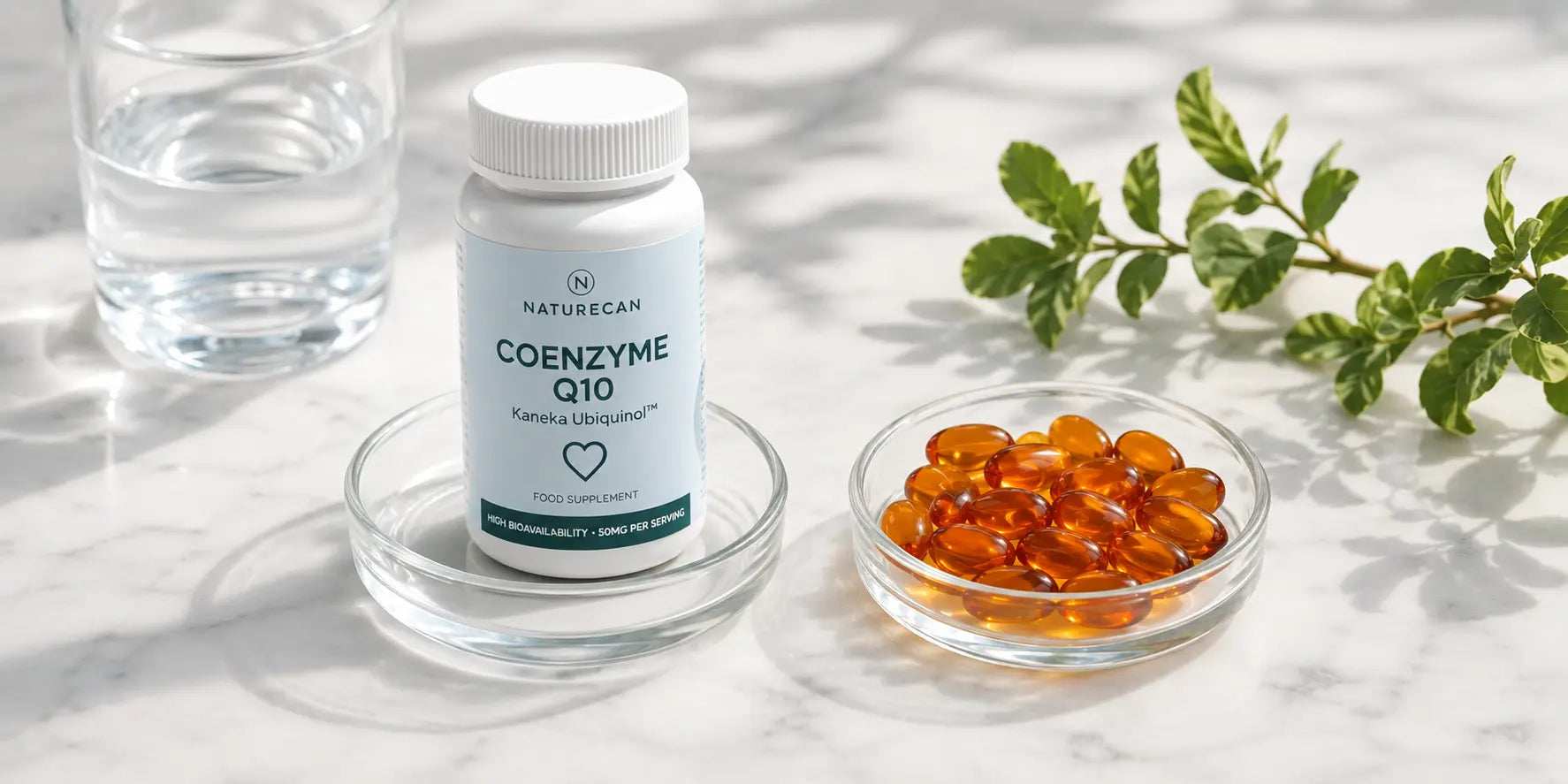
Coenzyme Q10 is a fat-soluble compound that plays an essential role in mitochondrial energy production. It functions as a critical component of the electron transport chain, enabling cells to convert nutrients into usable energy (ATP). CoQ10 levels decline naturally and measurably with age - and are further depleted by statin medications, making supplementation particularly relevant for adults over 40.
Sources
CoQ10 is found in small amounts in oily fish, organ meats, and whole grains. However, meaningful levels for longevity purposes require supplementation. Ubiquinol, the reduced, more bioavailable form, is generally preferred over ubiquinone, particularly for those over 40 whose ability to convert ubiquinone to ubiquinol declines with age.
Key Benefits of CoQ10
- Cardiovascular Biology Research: CoQ10 is a fat-soluble compound present in the body that declines with age. The Q-SYMBIO trial examined CoQ10 in patients with a specific medical condition (chronic heart failure). This research is referenced for informational context only and does not imply any benefit of CoQ10 supplementation for the general population or for any medical condition [5].
- Mitochondrial Biology and Antioxidant Research: CoQ10 is a fat-soluble compound that forms part of the electron transport chain and is naturally present in the body. Its concentration declines measurably with age. Pre-clinical and clinical research has examined CoQ10 in various biological contexts; Naturecan makes no authorised health claims for CoQ10 in relation to mitochondrial or antioxidant outcomes.
- Statin Support: CoQ10 is naturally present in the body and concentrations decline with age. Individuals on prescription medication, including statins, should consult their healthcare provider or GP regarding supplementation
Recommended Dosage
100–300 mg/day. Kaneka Ubiquinol, the reduced, highly bioavailable form of CoQ10, is generally preferred over standard ubiquinone for those over 40, as the body's ability to convert ubiquinone to its active ubiquinol form declines with age. Take with a fatty meal to improve absorption.


6. Fisetin
Fisetin has attracted attention in longevity research for its interactions with cellular senescence, a process by which aged cells stop dividing. It is the subject of ongoing human pilot research. This effect, combined with its antioxidant properties, positions fisetin as a promising compound [7].
Benefits of Fisetin:
- Senolytic Activity: Fisetin is a naturally occurring flavonoid examined in pre-clinical senolytic research - the study of compounds that interact with senescent cells. Pre-clinical research has explored its interactions with cellular pathways; no health claims are authorised for fisetin in the EU and no conclusions about human health benefits can be drawn from pre-clinical data.
- Antioxidant Research: Fisetin has been examined in antioxidant biology research. Pre-clinical data has explored its interactions with oxidative pathways, a key driver of biological ageing, however no health claims are authorised for fisetin in the UK or EU. Its antioxidant capacity is considered higher than that of quercetin, resveratrol, and curcumin in comparative studies.
- Neurological Research: Some pre-clinical research has examined fisetin's interactions with cellular biology pathways relevant to neurological science and suggest it may offer antioxidant effects and the ability to enhance brain-derived neurotrophic factor (BDNF). However, no conclusions about effects in humans can be drawn from pre-clinical data, and no health claim has been authorised for fisetin in the UK or EU.
- Gut Health: Some pre-clinical research has examined fisetin's interactions with gut microbiome parameters. This is an early-stage area of investigation; no health claims have been authorised for fisetin in the EU in this area.
Recommended Dosage
Most human pilot data has used doses of 100–500 mg/day, sometimes administered in pulsed protocols (2 consecutive days per month) in line with senolytic research paradigms. Consult a healthcare provider before starting.


7. Collagen
Collagen is a structural protein naturally present in connective tissues such as skin, bones, cartilage, and tendons. It is also available in supplement form, commonly as powders, capsules, or drink mixes.
Collagen Peptides are typically derived from animal sources and are often included in nutrition routines as a way to add specific amino acids to the diet. They can be incorporated into foods and beverages such as smoothies, coffee, or yoghurt.
Interest in collagen is common within discussions around ageing and nutrition because collagen is a major component of connective tissues, and its characteristics and production are widely studied over the lifespan.
Key Benefits:
- Structural protein: Collagen is one of the most abundant proteins in the body.
- Dietary source of amino acids: Supplements provide amino acids including glycine, proline, and hydroxyproline.
- Ageing research: Frequently referenced in scientific and nutritional discussions related to connective tissue and lifespan.
Recommended Dosage
Collagen peptide powder is typically taken in doses of 2.5g to 15g per day, with 10g being a common daily serving. For best results, take it alongside vitamin C, which contributes to normal collagen formation in the body.


8. NR (Nicotinamide Riboside): A Second NAD+ Pathway
Nicotinamide Riboside (NR) is a form of vitamin B3 and, like NMN, a direct precursor to NAD+. While NMN converts to NAD+ via a slightly different metabolic pathway, both compounds ultimately serve the same function: restoring declining NAD+ levels that drive many of the cellular changes associated with ageing. Multiple randomised controlled trials have confirmed that NR can meaningfully elevate blood NAD+ concentrations in humans.
NR and NMN are frequently compared, and the question of which is more effective remains active in the research literature. Current evidence suggests that both are effective NAD+ precursors; differences are likely to emerge in specific tissues or clinical populations rather than in general healthy-adult use.
Potential Benefits
- NAD+ Restoration: Confirmed in multiple human RCTs to raise blood NAD+ levels significantly - the primary mechanism underlying its longevity interest.
- Metabolic Support: NMN and NR are both forms of vitamin B3. Multiple randomised controlled trials have measured blood NAD+ levels in participants taking NR supplementation. The downstream clinical significance of NAD+ elevation in healthy adults remains an active area of investigation, as discussed in the NMN section above. Naturecan makes no authorised health claims for NR beyond those applicable to vitamin B3 under current UK and EU regulations.
Recommended Dosage
250–500 mg/day. Can be taken alongside NMN (protocols using one or the other are more established; combining both is less well-studied and not routinely recommended without clinical guidance).


NMN vs NR vs NMNH: What Is the Difference?
Three NAD+ precursors appear regularly in longevity research, and the differences between them are a frequent source of confusion. NMN is the most established option, backed by multiple peer-reviewed randomised controlled trials and a clear EU regulatory framework. The table below sets out the key distinctions:
| NMN | NR | NMNH | |
|---|---|---|---|
| Full name | Nicotinamide Mononucleotide | Nicotinamide Riboside | Nicotinamide Mononucleotide Hydrogen |
| Steps to NAD+ | 1 step (direct precursor) | 2 steps (converts to NMN first) | Proposed direct route (pre-clinical only) |
| Human RCT evidence | Strong – multiple peer-reviewed RCTs | Strong – multiple peer-reviewed RCTs | Very limited – early-stage only |
| EU regulatory status | EFSA positive opinion May 2026, EC authorisation pending | Permitted | No specific regulation established |
| Long-term safety data | Established across multiple trials | Established across multiple trials | No long-term human safety data |
| Naturecan product | NMN 500mg | NR Capsules | Not currently stocked |
What is NMNH?
NMNH is the chemically reduced form of NMN. Some researchers propose it may convert to NAD+ via a more efficient enzymatic route, and early pre-clinical data suggests it could raise intracellular NAD+ more rapidly than standard NMN.
However, human clinical trial data for NMNH is very limited compared to the well-established evidence base for NMN, and no long-term human safety profile has been published. Naturecan does not currently stock NMNH. Those considering NMNH supplementation should consult a healthcare provider before use.
The Science Behind Longevity
At its core, the science of longevity seeks to understand the biological mechanisms that contribute to ageing and how to mitigate these factors to enhance both lifespan and health span. Research in this field explores ageing processes in various aspects, including genetics, cellular senescence, telomere length, and the impact of lifestyle factors like diet, exercise, and stress management.
The Role of Lifestyle and Genetics
Longevity is influenced by a combination of genetics and lifestyle choices [12]. While genetic factors can predispose individuals to longer lives, lifestyle choices are crucial. Healthy diets, regular physical activity, stress reduction, and avoidance of harmful habits like smoking and excessive alcohol consumption can significantly contribute to extending one's lifespan and improving overall health quality.
The Impact of Modern Medicine and Technology
Advancements in medical science and technology have also played a pivotal role in reducing mortality and extending average life expectancies. Innovations in healthcare, from vaccines and antibiotics to modern surgical techniques and chronic disease management, have drastically reduced mortality rates from infectious diseases and improved outcomes for various health conditions.
Longevity and Quality of Life
Ultimately, the pursuit of healthy longevity supports healthy ageing, and is not just about adding more years to life but adding more life to those years. It involves enhancing the quality of life, maintaining physical and mental health, and ensuring that individuals can live independently and with dignity as they age.

What Are Telomeres and Why Do They Matter?
Telomeres are the protective caps at the ends of our chromosomes, essential for maintaining genetic stability. Over time, telomeres shorten - a process formalised as one of the core Hallmarks of Ageing in the landmark López-Otín et al. framework [11] - and this progressive shortening is linked to both biological ageing and increased disease risk. Understanding telomeres offers insights into how longevity supplements might contribute to a healthier, extended life.
Why the Trend Toward Longevity Supplements
The increasing interest in longevity supplements is driven by a growing understanding of ageing mechanisms, such as telomere shortening, mitochondrial dysfunction, and cellular senescence, as mapped by the Hallmarks of Ageing [11]. This trend reflects a broader shift towards preventive healthcare and personalised nutrition.

Longevity Collection
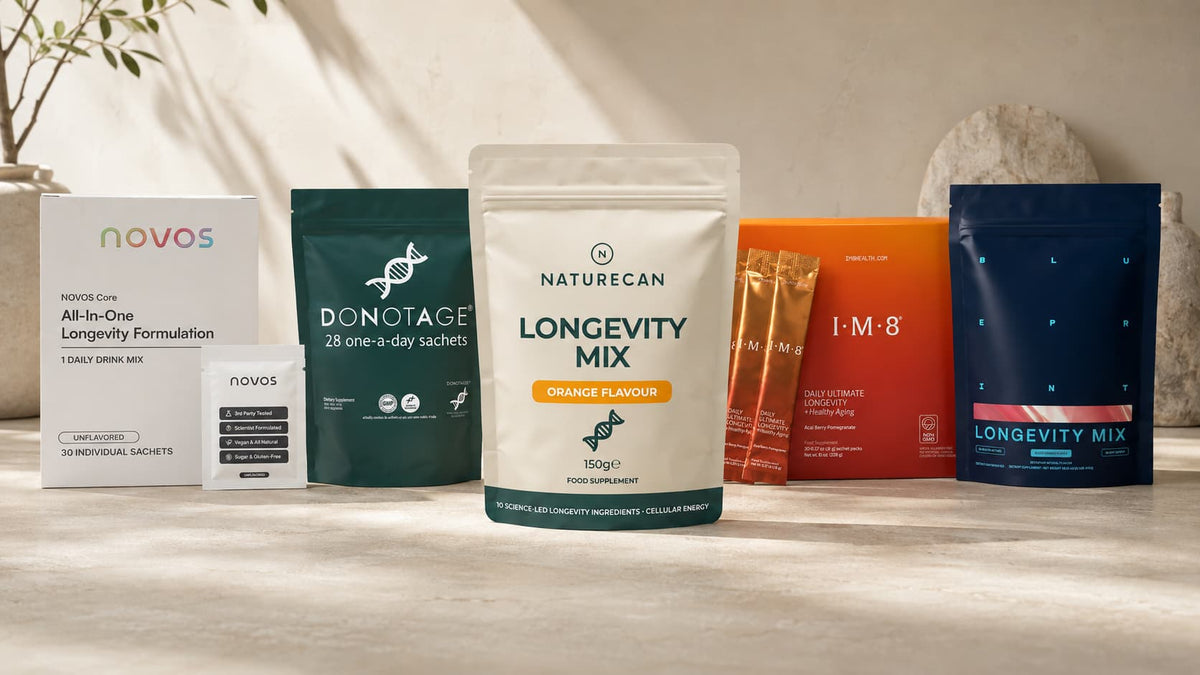
If you're looking to build a complete longevity stack, discover the full Naturecan Longevity Collection - featuring a range of science-backed supplements designed to support healthy ageing from the inside out.
Explore NowFAQs
1. What is the best longevity supplement stack for 2026?
There is no universal "best" stack - optimal combinations depend on age, health status, budget, and individual goals. That said, a well-evidenced starting stack for 2026 would include an NAD+ precursor (NMN or NR), Urolithin A (for mitophagy and immune health), and a senolytic (Fisetin or Quercetin, cycled). Adding CoQ10 becomes particularly relevant for those over 50 or taking statin medications. Always consult a healthcare professional before combining multiple supplements.
2. How does Urolithin A compare to NMN?
NMN and Urolithin A work through different mechanisms and are best understood as complementary rather than competing. NMN raises NAD+ levels to support cellular energy and DNA repair via the NAD+ pathway. Urolithin A stimulates mitophagy, the removal of damaged mitochondria, via a distinct pathway. The 2025 MitoImmune trial (Nature Aging) specifically demonstrated immune ageing benefits for Urolithin A, an area where NMN's evidence base is less developed. Many longevity researchers consider both worth including in a comprehensive protocol.
3. What is the difference between NMN and NR?
Both NMN (Nicotinamide Mononucleotide) and NR (Nicotinamide Riboside) are NAD+ precursors - forms of vitamin B3 that the body converts into NAD+. NR is converted into NMN as an intermediate step before becoming NAD+, meaning NMN is one step closer in the biosynthetic pathway. Multiple RCTs confirm both raise blood NAD+ levels effectively in humans. The clinical differences in real-world outcomes remain under investigation; current evidence does not clearly favour one over the other for general use.
4. Is Urolithin A safe?
Published safety data from human clinical trials, including the MitoImmune trial (Nature Aging, 2025) and earlier Mitopure studies, show Urolithin A to be well-tolerated at doses up to 500 mg/day with no serious adverse events reported. As with any supplement, those taking immunosuppressant medications should consult a healthcare provider before use, as Urolithin A modulates immune function. Pregnant or breastfeeding individuals should avoid supplementation in the absence of safety data for these groups.
5. What longevity supplements does Peter Attia take?
Peter Attia's supplement protocol is discussed in detail in our dedicated article on the Naturecan blog. Key items from his publicly discussed stack include rapamycin (prescription), metformin (which he has reportedly since discontinued), omega-3 fatty acids, vitamin D, and NAD+ precursors. Attia emphasises that his protocol is highly personalised and regularly revised in response to emerging data - he does not recommend others follow his stack without comparable clinical guidance. See our Peter Attia supplement guide for a full breakdown.
6. What do biological age tests show about supplement use?
Biological age tests - such as epigenetic clock assays (DunedinPACE, GrimAge) or composite biomarker panels - measure how fast your body is ageing relative to your chronological age. Early studies suggest that specific interventions, including exercise, caloric restriction, and certain supplements, can favourably alter biological age scores. However, the field is early-stage and results vary significantly between individuals and test methodologies.
7. Can we reverse cellular ageing?
Some research suggests that interventions like caloric restriction, exercise, and certain supplements may slow cellular ageing processes. However, reversing cellular ageing remains a complex challenge that is still under investigation.
8. What are the best supplements for longevity?
The most evidence-backed longevity supplements include NMN and NR (NAD+ precursors), Urolithin A (mitophagy), Fisetin and Quercetin (senolytics), Spermidine (autophagy), Resveratrol (sirtuin activation), and CoQ10 (mitochondrial health). The comparison table at the top of this article gives a mechanism-by-mechanism breakdown of all twelve supplements covered in this guide.
9. Do longevity supplements really work?
The effectiveness of longevity supplements can vary widely, and more research is needed to understand their impacts fully. Some may offer health benefits, but they should not replace a healthy lifestyle.
10. Are there any risks associated with taking longevity supplements?
As with any supplement, there can be risks, especially if taken in high doses or in combination with certain medications. It's important to consult with a healthcare provider before starting any new supplement regimen.