Best Collagen Supplements In New Zealand 2026 | Do They Really Work?

Medically Reviewed by Dr Lilla Csonka: June 08, 2026
Written by Jordan Caulfield & Reviewed by Paul Holmes.
If you've spent any time on social media lately, chances are you've seen an influencer in the wellness industry raving about collagen supplements. From stirring collagen powder into morning lattes to beauty editors calling it a must-have for glowing skin, collagen has become one of the New Zealand's most popular wellness trends.
But with so much hype, it’s natural to wonder: Do collagen supplements really work? Are they safe? And which ones are worth your money?
In this guide, we’ll break it all down: What collagen actually is, why it matters, how to spot a high-quality collagen supplement, and which supplements stand out in the New Zealand market 2026. We’ll look at what the science says, discuss the benefits for skin longevity, hair, joints, and overall longevity and address new questions around liquid vs powder formats, vegan options, and collagen support during GLP-1 weight loss. So that you can make an informed choice.
What Is Collagen?
Collagen is often described as the “glue” that holds your body together. It’s the most abundant protein in your body, found in your skin, bones, tendons, muscles, and even your gut lining.
Without it, we’d lose structure, strength, and elasticity. Collagen is made up of amino acids, mainly glycine, proline, and hydroxyproline.
This unique structure makes it strong and flexible, perfect for incorporating into your daily beauty and active lifestyle routines [1]. Unfortunately, as we age, collagen production naturally slows down and reduces. Most people start to notice this change in their mid-20s or early 30s.
By the time we’re 50, we may have lost as much as 30% of our natural collagen [2]. That’s when wrinkles, fine lines, and stiff joints start to settle in and become more obvious.

Where Does Collagen Come From in Supplements?
Most collagen supplements aren’t vegan; they’re typically made from animal sources. The two most common types are:
- Marine collagen: made from fish skin and scales, particularly rich in type I collagen (the type that supports skin).
- Bovine collagen: made from cow hides and bones, containing type I and type III collagen (good for skin, muscles, and joints).

Marine or Bovine: What's the Best Collagen for You?
In this article, discover the key differences in Marine Collagen and Bovine Collagen, their different uses, and which one would be the best for you.
Read MoreWhat Makes a Good Collagen Supplement?
Walk into any health store or scroll online, and you’ll see the collagen market is saturated with collagen powders, capsules, and drinks.
But how do you differentiate which supplements do what they are supposed to and contain high-quality, healthy ingredients? Here are a few things to look out for:
- Hydrolysed peptides: Hydrolysed collagen (collagen peptides) is broken down into smaller molecules that your body can absorb more readily. Look for low molecular weight peptides (around 2 kDa).
- Co-factors: Vitamin C contributes to normal collagen formation for the normal function of skin. Zinc contributes to the maintenance of normal skin, hair and nails. Look for products that include these, or plan to stack them alongside your collagen.
- Source & Sustainability: Check if the collagen is marine or bovine, and whether it’s responsibly and ethically sourced, as a lot of supplement brands skim over sustainability.
- Clean Ingredients: The simpler, the better. Avoid products loaded with fillers, sugars, or artificial flavourings.
- Third-party Testing: A trustworthy brand will have third-party lab tests or a Certificate of Analysis (COA) available to prove quality.
- Research-backed complexes: Look for brands that reference actual studies, not just marketing buzzwords or generic claims.

Featured Supplement:
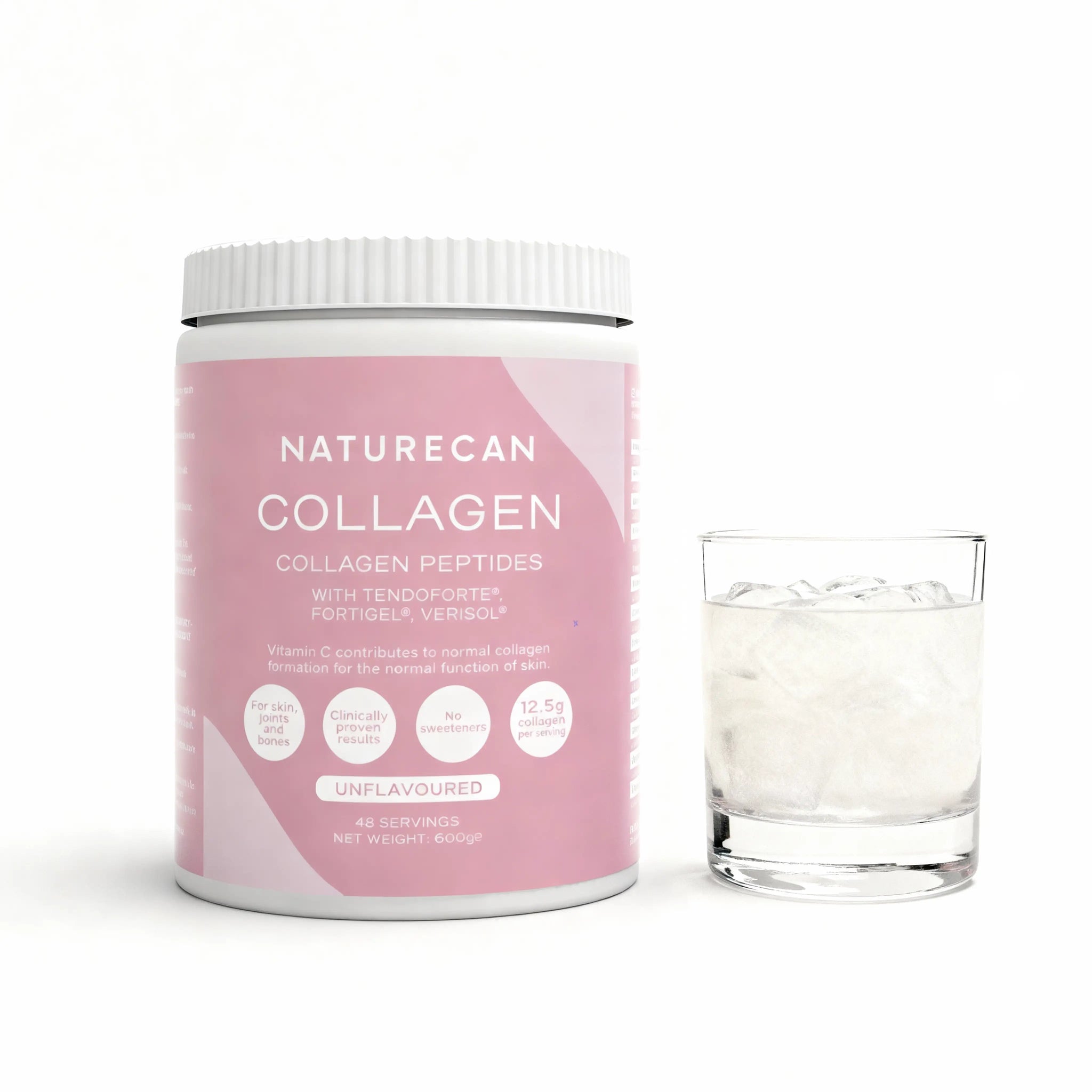
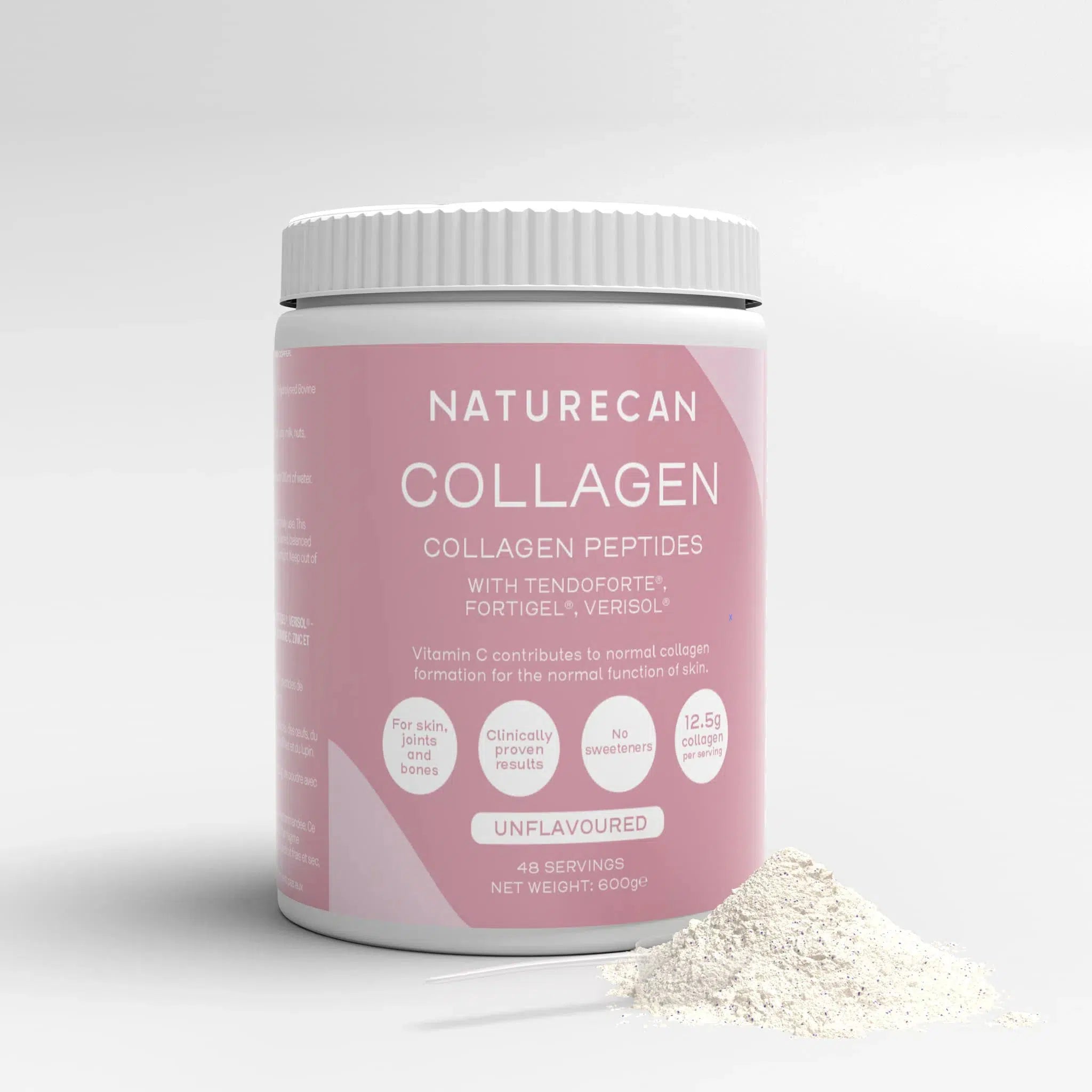
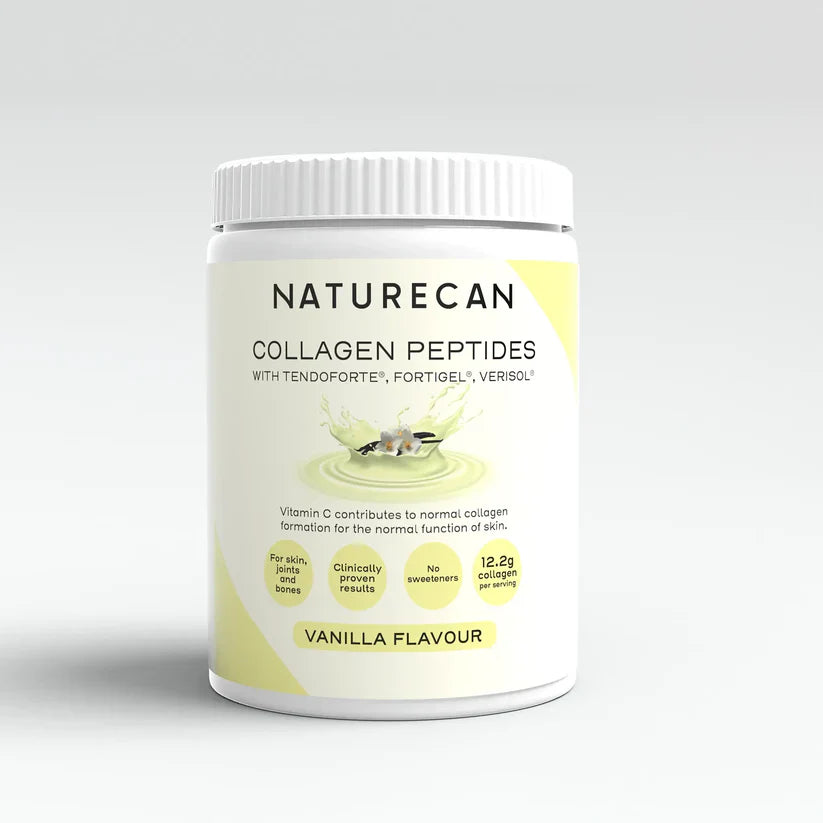
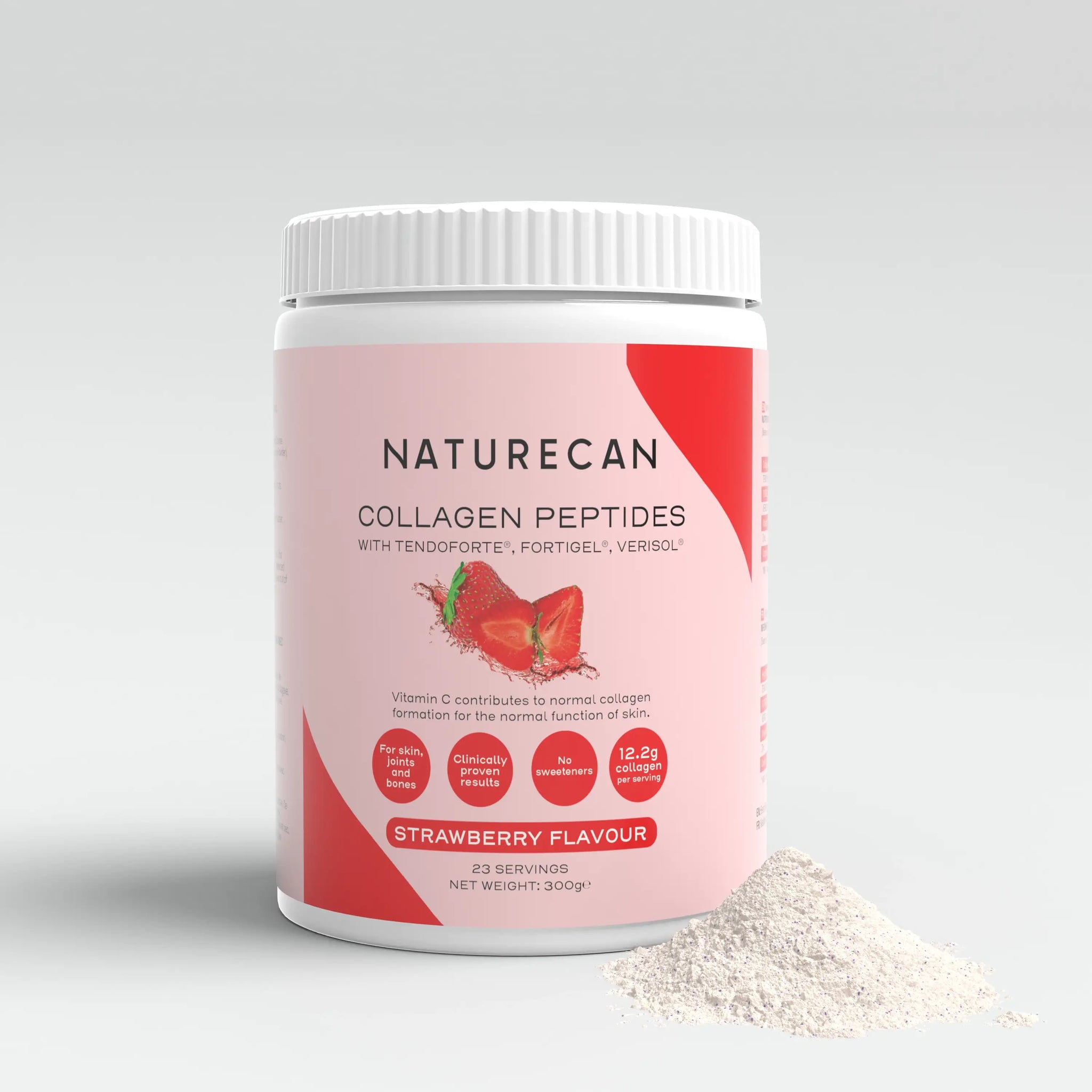
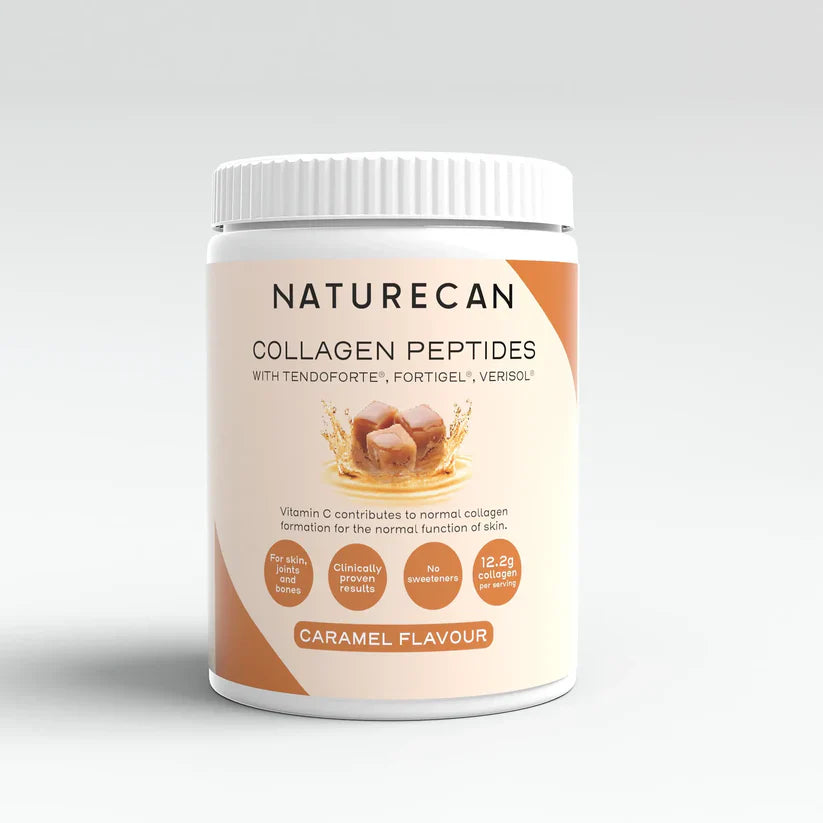
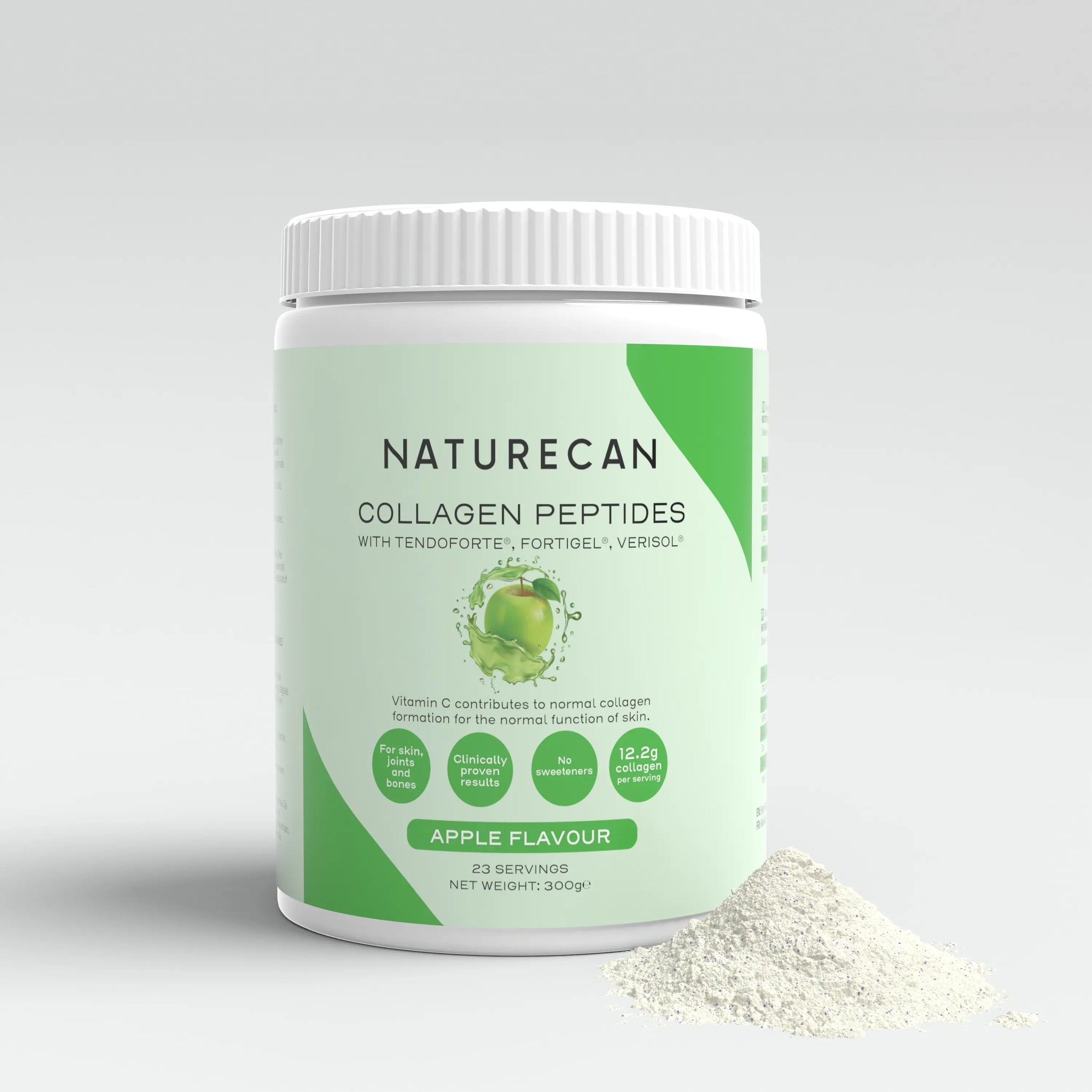
Collagen Peptides
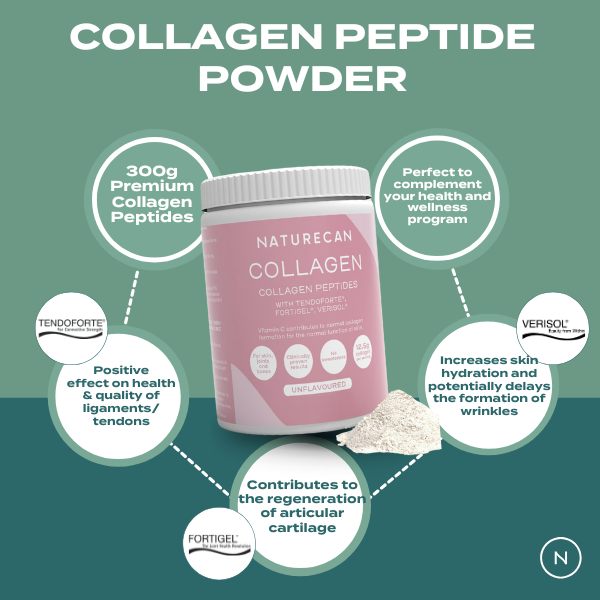
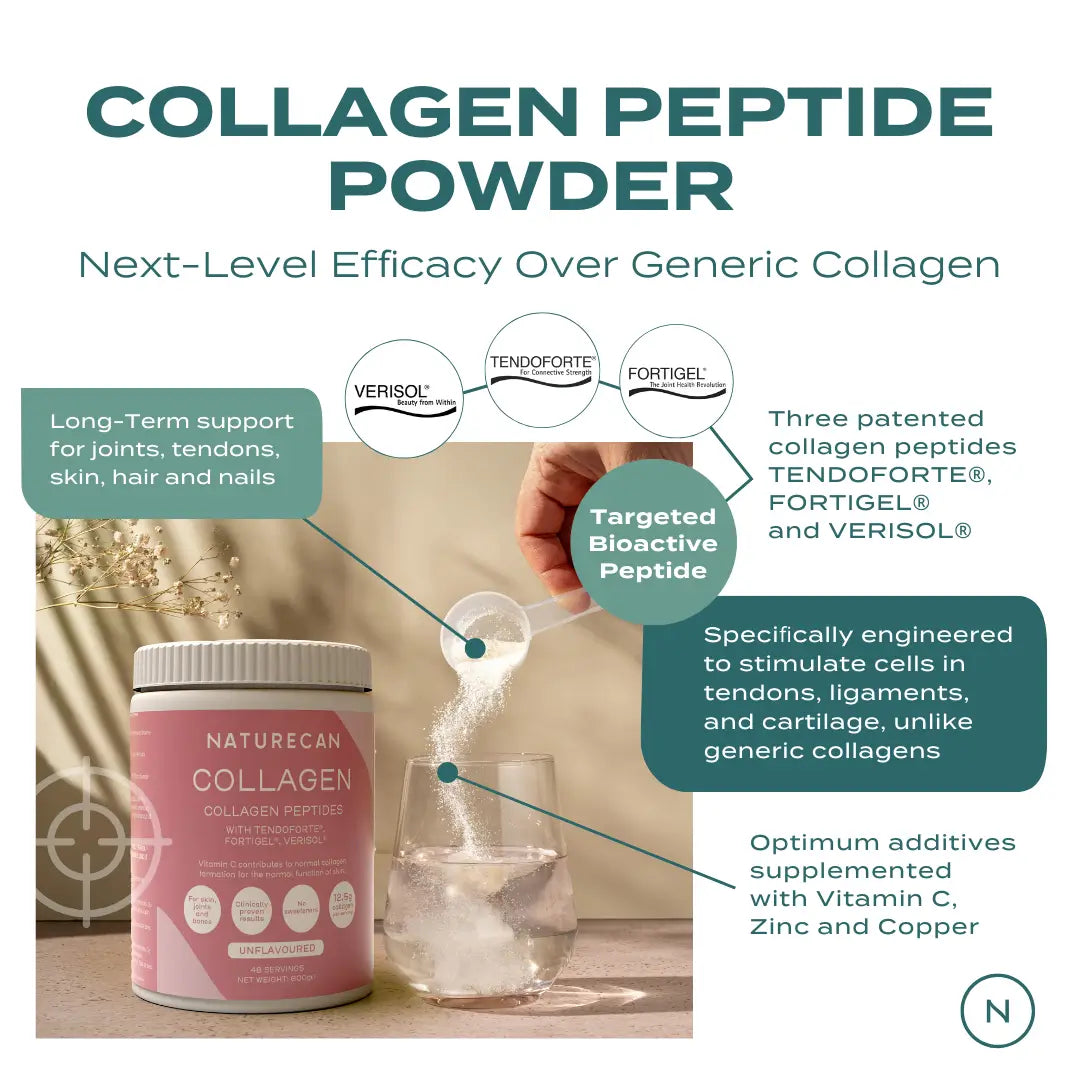
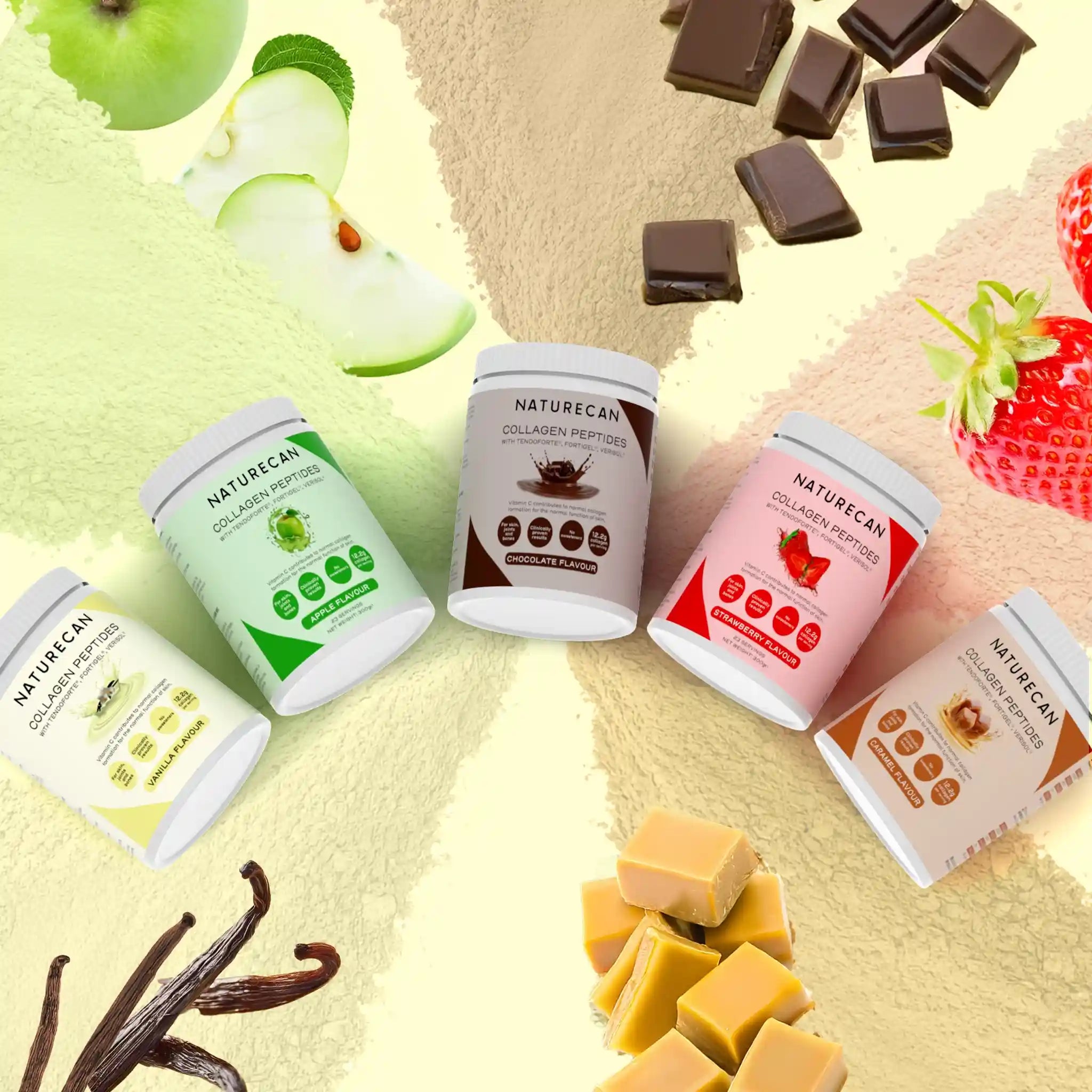
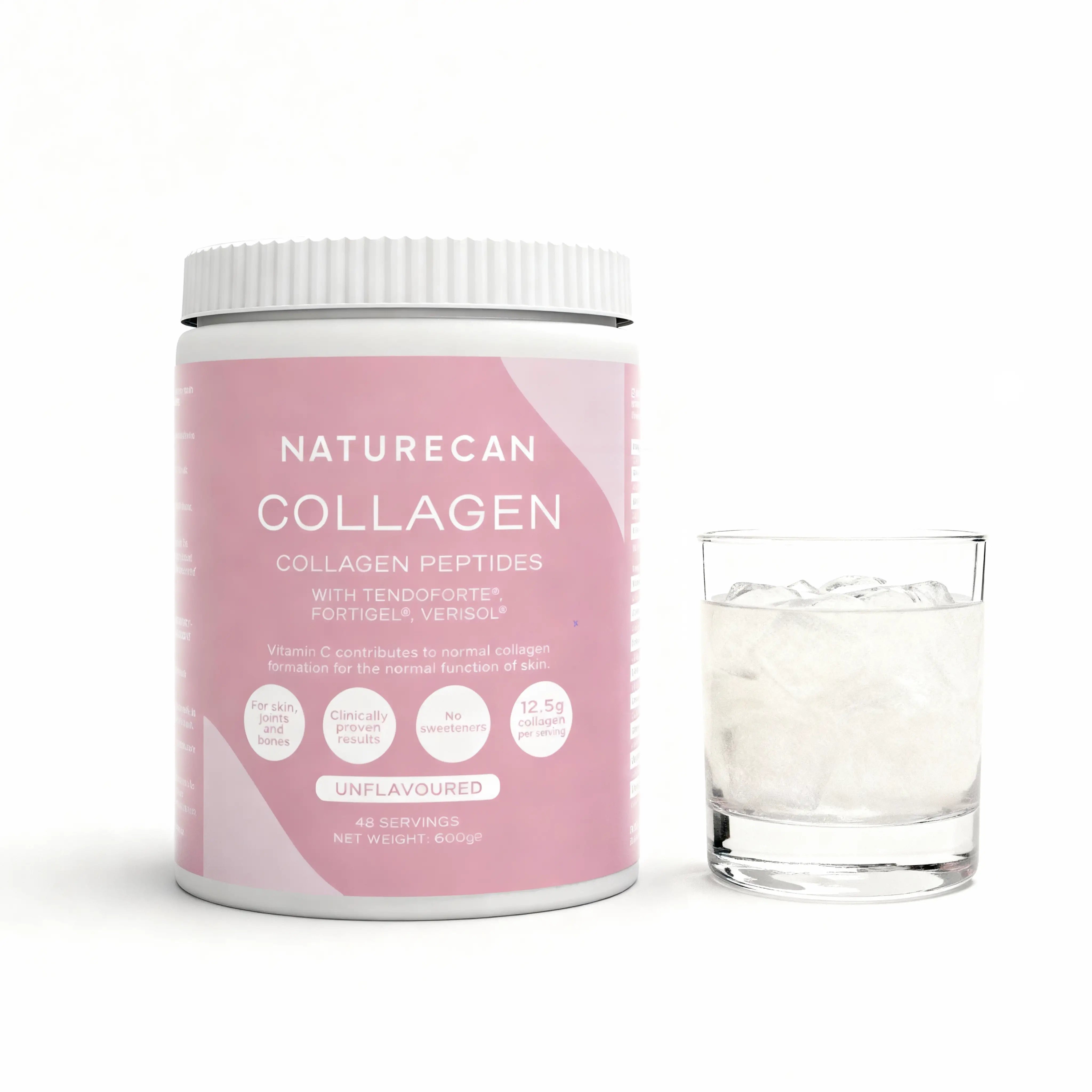
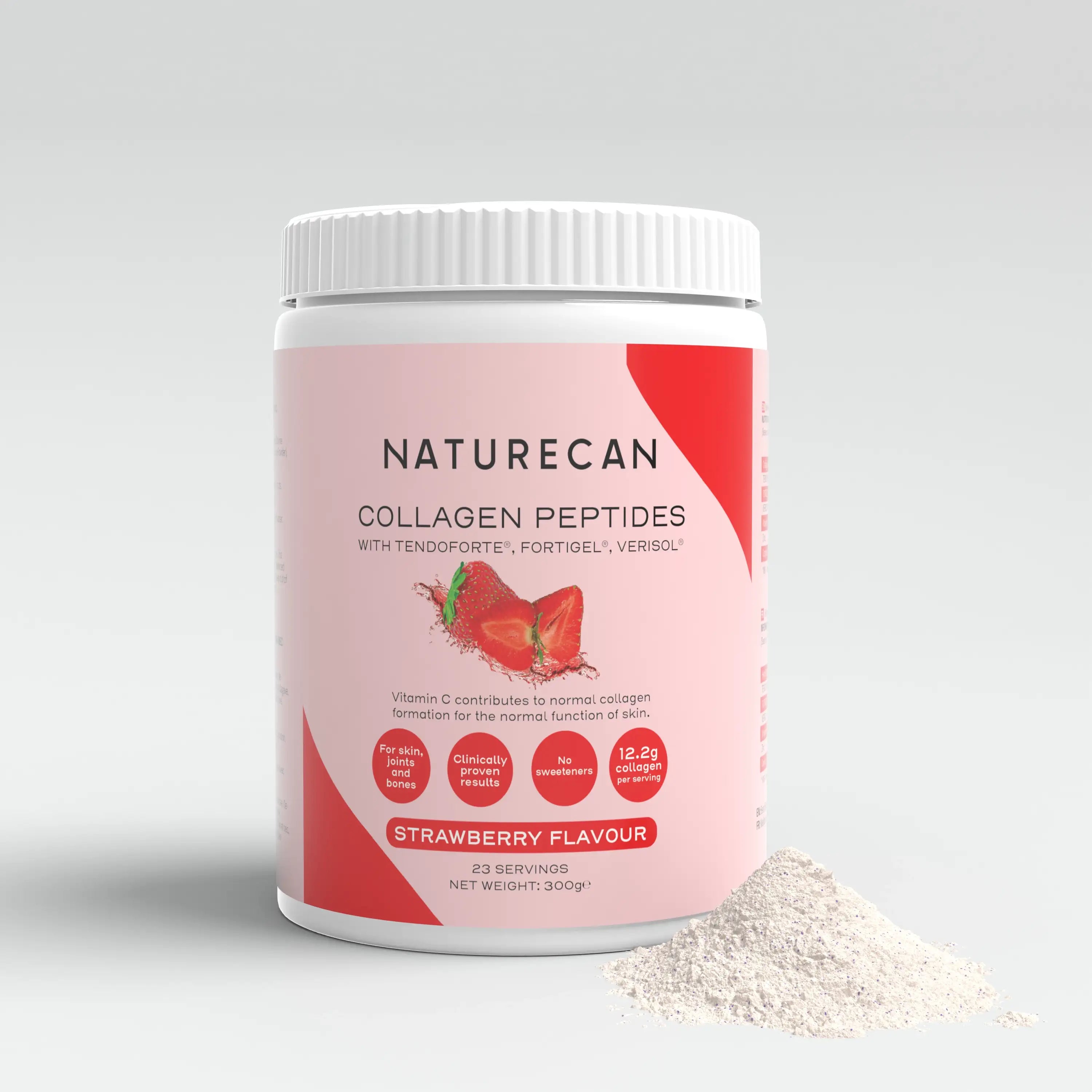
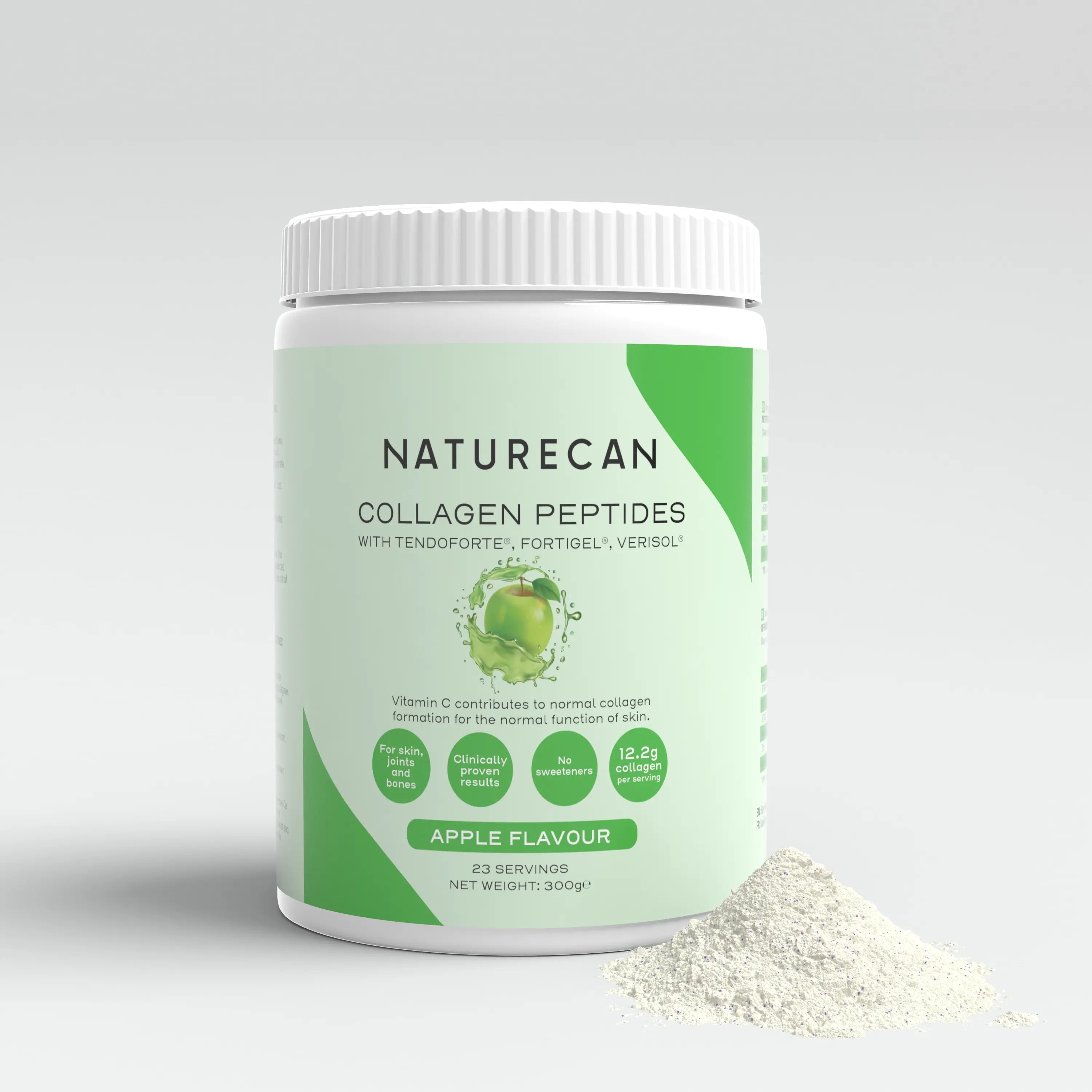
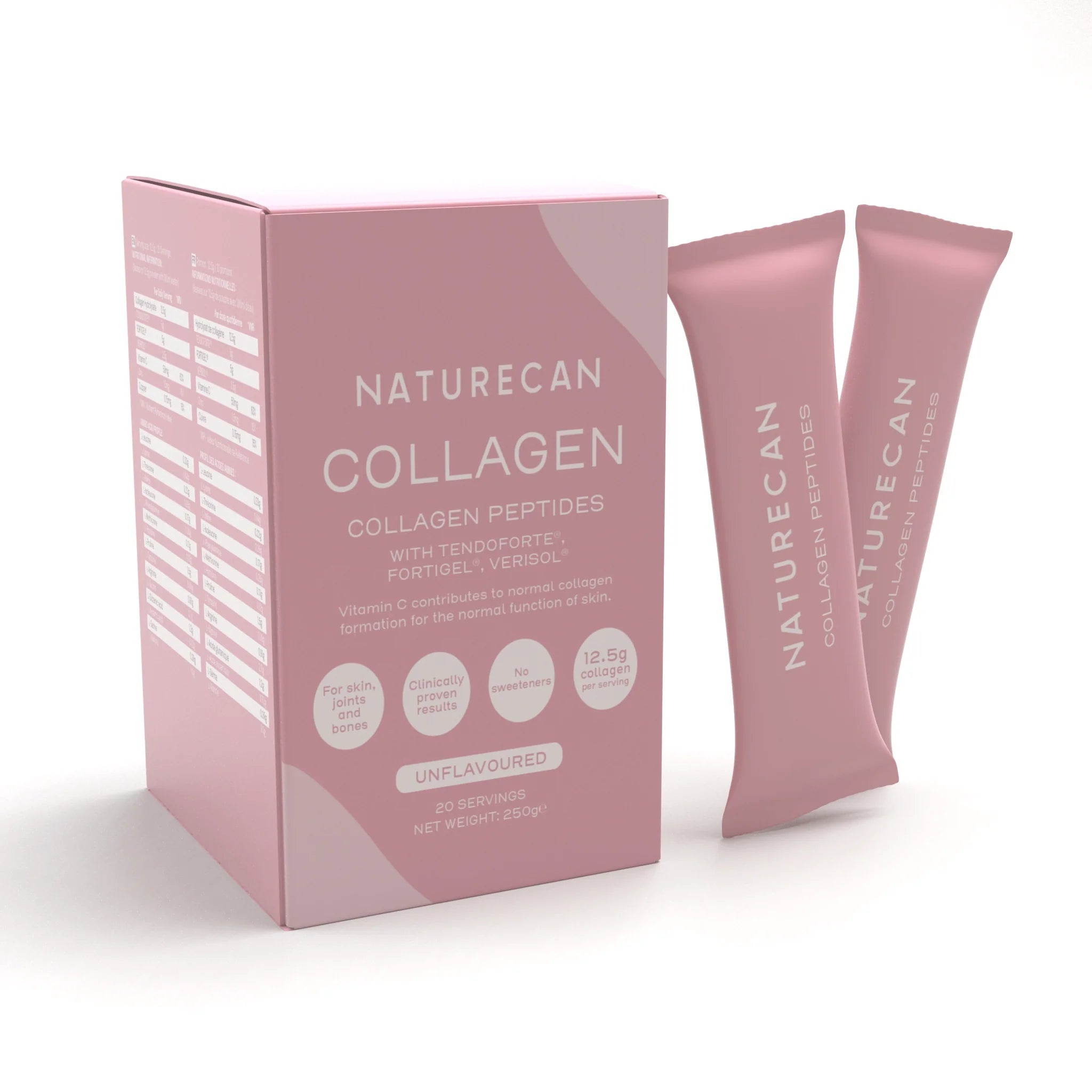
Enhance your well-being with our advanced collagen peptides supplement! Designed to support your body during times of stress and increased nutritional demands, this innovative formula features three powerful ingredients, supported by 15 clinical studies—providing far more than your standard collagen supplement.
Potential Benefits:
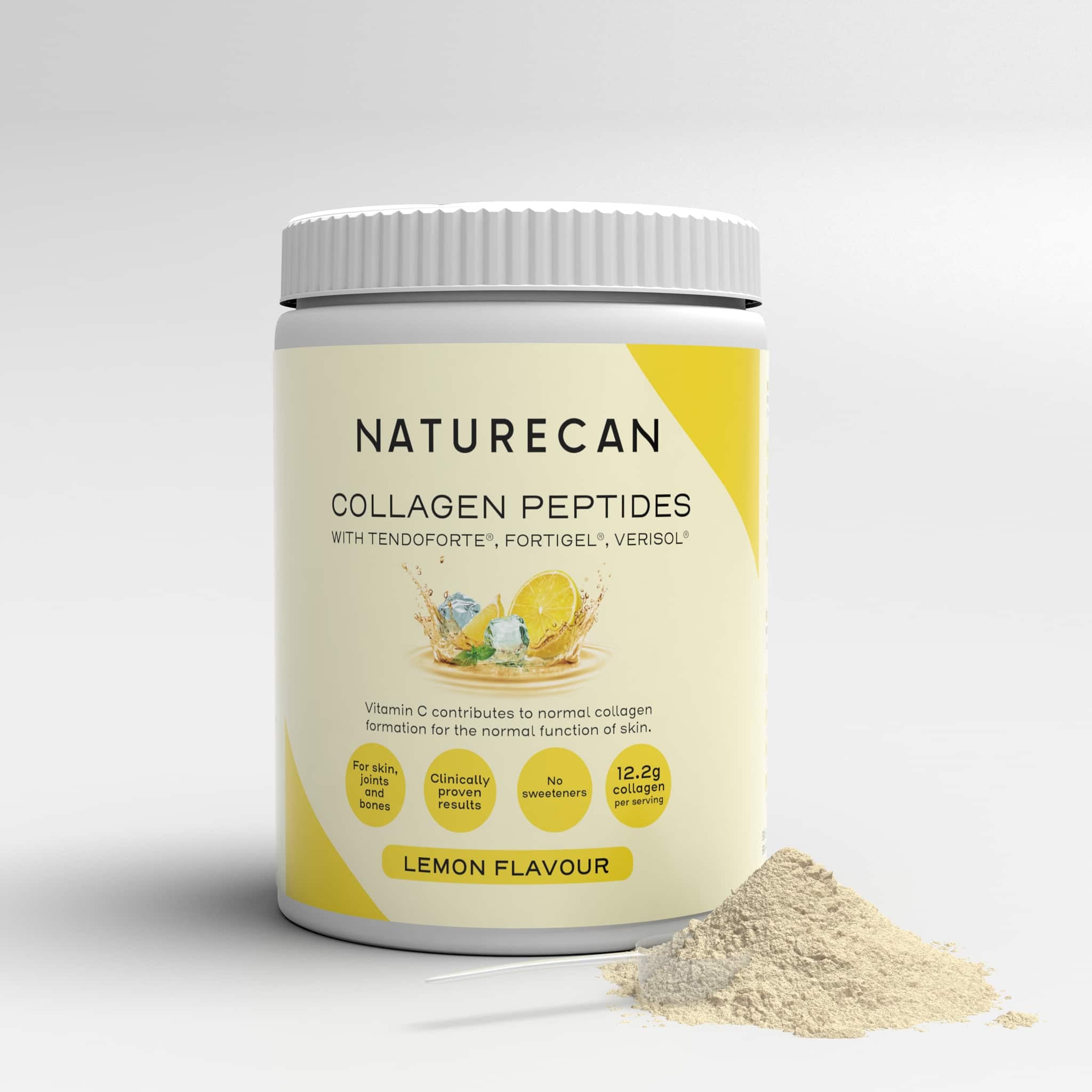
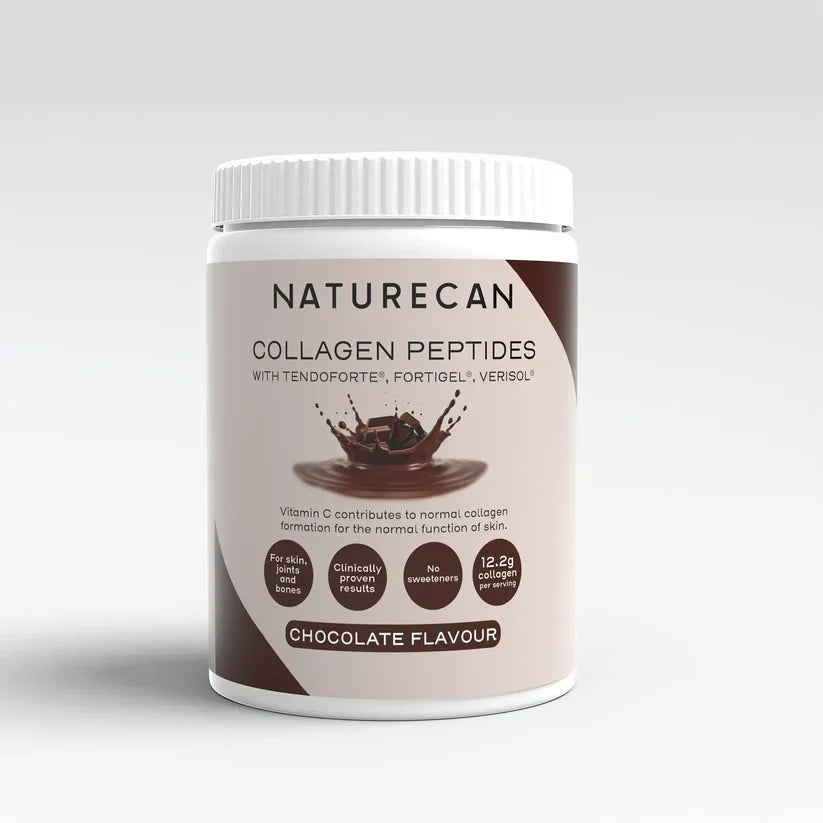
- Variety of flavours
- Scientifically supported ingredients
- Halal
- Also contains Zinc and Copper
- Made in Germany
- 12.5g Collagen per serving







Collagen Powder vs Liquid Collagen: Which Is Better?
Liquid collagen supplements have grown significantly in popularity in the New Zealand. Brands like Absolute Collagen and Zooki have made ready-to-drink sachets mainstream, and many 2026 competitor roundups now lead with liquid formats. So is liquid actually better?
The short answer: both work, and the best format is the one you will take consistently.
| Collagen Powder | Liquid Collagen | |
|---|---|---|
| Absorption | Highly bioavailable when hydrolysed to low molecular weight (e.g. 2 kDa) | Typically pre-dissolved, so may absorb marginally faster in some formulations |
| Dose | Often 10-20 g per serving; flexible dosing | Usually 5,000-8,000 mg (5-8 g) per sachet; less flexible |
| Value | Typically better value per gram; larger tubs go further | Usually higher cost per gram due to packaging |
| Convenience | Mix into coffee, smoothies, porridge or water; unflavoured options available | Ready to drink, portable, no mixing required |
| Best for | Flexibility, higher dose, daily stackers, skin longevity routines | Routine simplicity, travel, on-the-go use |
Naturecan's Collagen Peptides powder offers 12.5 g of hydrolysed bovine collagen per serving across multiple flavours, plus the convenience of unflavoured, making it easy to mix into any hot or cold drink. For many people, the higher dose and better value per gram make powder the smarter long-term choice.
Can Vegans Take Collagen Supplements?
Collagen is an animal-derived protein, which means there is no vegan source of actual collagen. However, the term "vegan collagen" is widely used in the market, so it is worth understanding what it means.
"Vegan collagen" products are technically collagen boosters, not collagen supplements. They typically contain vitamin C, zinc, copper, bamboo silica, biotin, and plant extracts that support your body's own collagen production, rather than providing collagen directly.
These can be useful for anyone who avoids animal products and wants to support their skin and joints from the inside out.
For those who are not vegan, bovine or marine hydrolysed collagen peptides remain the most evidence-backed option, with a larger body of clinical research behind them.
If you are vegan and looking to support collagen levels, focus on a nutrient-rich diet that includes vitamin C, zinc, and copper, and consider a dedicated vegan booster supplement.

Ingredients Explained

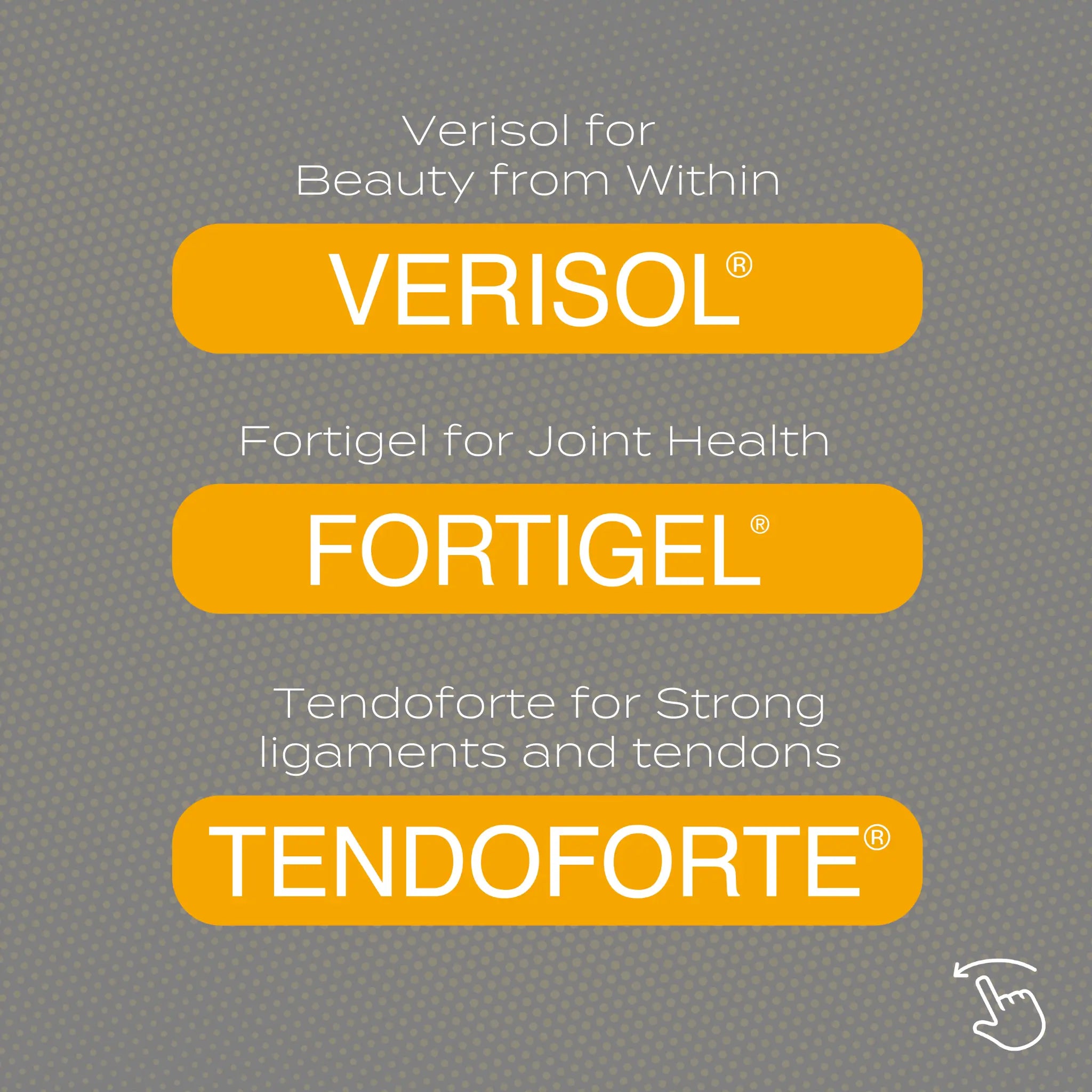
VERISOL®
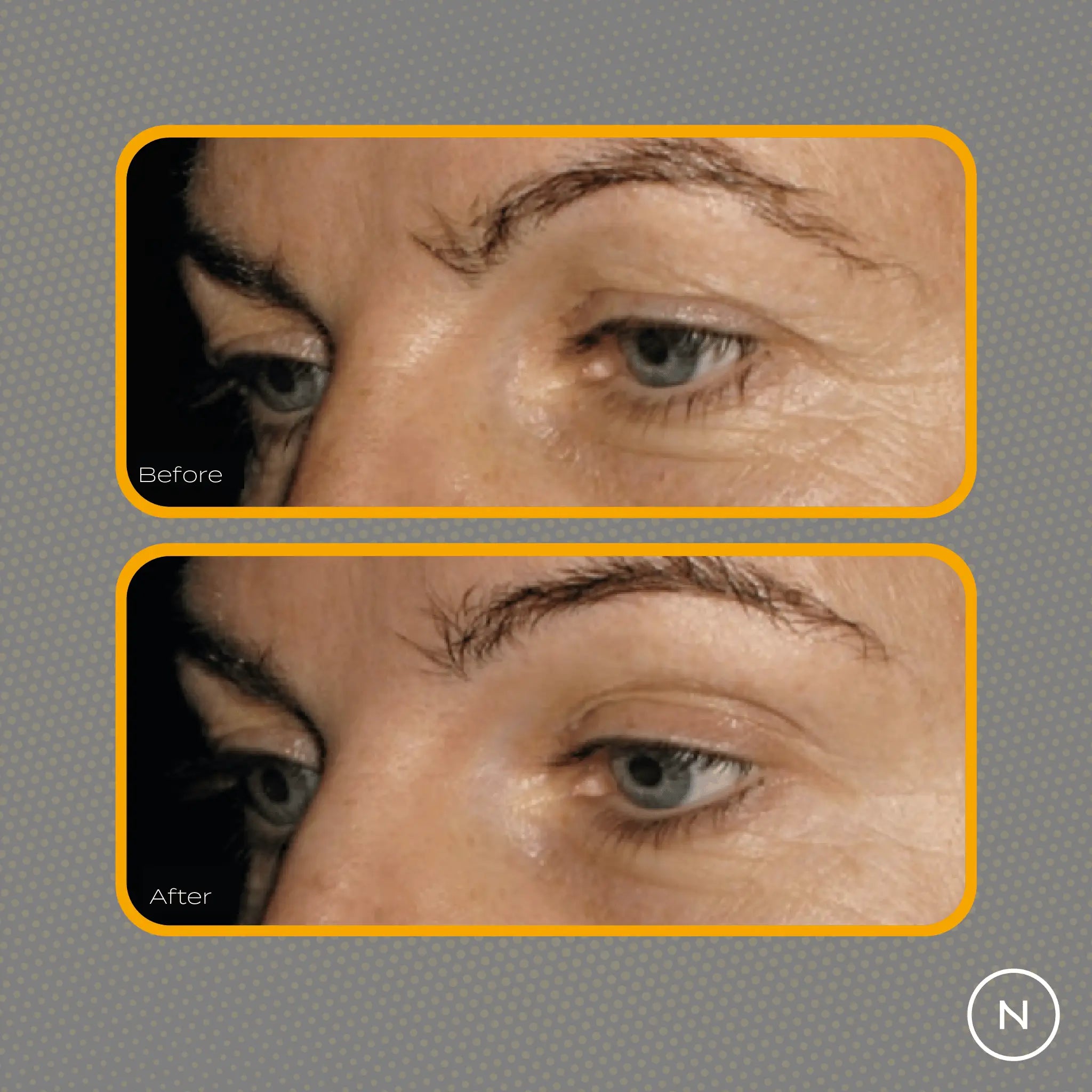
A bioactive collagen peptide formulated specifically for skin health. In a 2014 randomised, placebo-controlled trial published in Skin Pharmacology and Physiology, women taking VERISOL® saw measurable improvements in skin elasticity within four weeks and reduced wrinkle depth after eight weeks. [3]
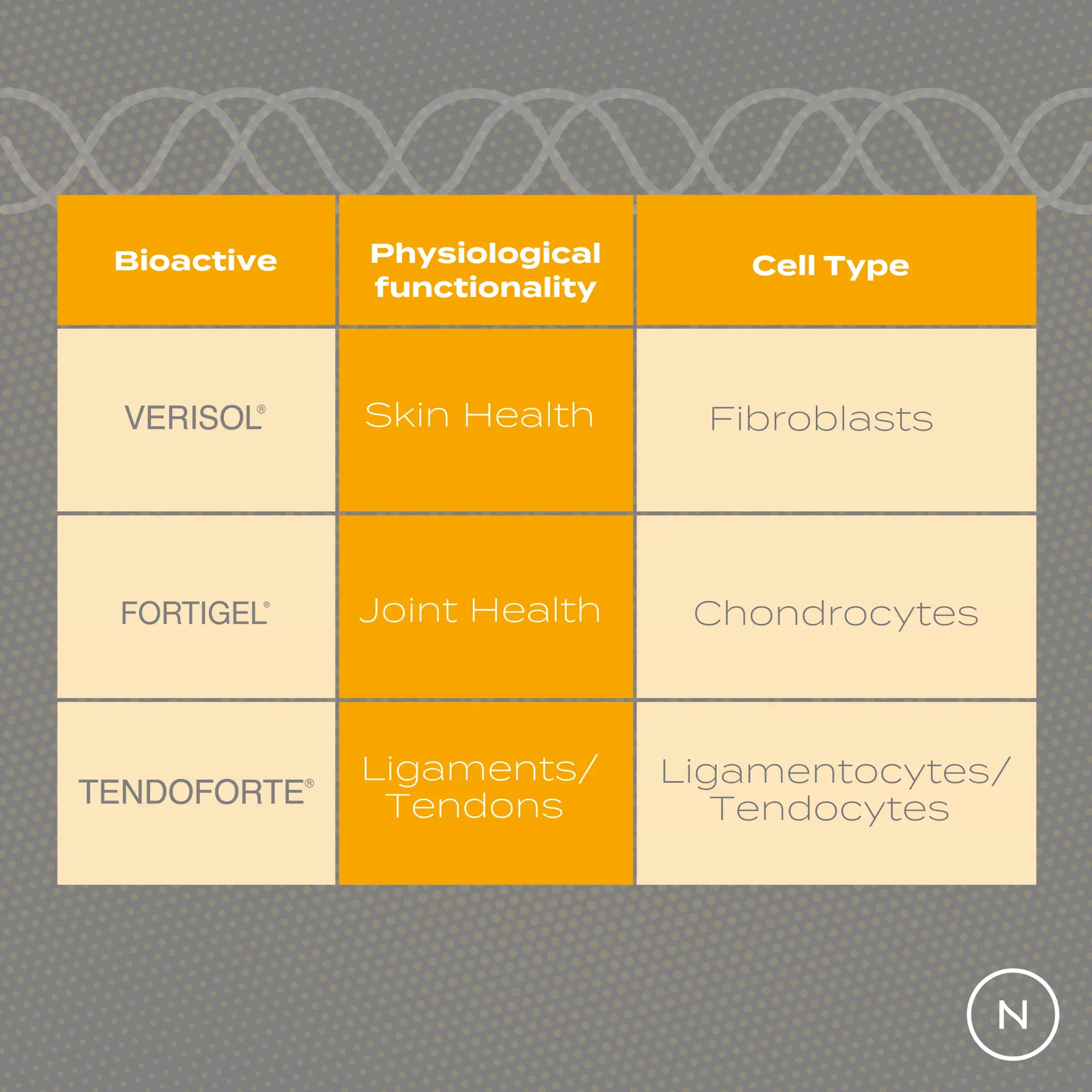
The peptides are very small (≈2 kDa), making them highly bioavailable and effective at stimulating fibroblasts - the skin cells that produce collagen and elastin.

TENDOFORTE®
Formulated for tendons and ligaments which are slow to repair. Research has demonstrated that supplementation, especially alongside exercise, can support an active lifestyle by enhancing collagen synthesis in connective tissue, making it a popular choice for athletes during intense training.
A 2019 study in the Journal of Sports Science and Medicine found that athletes supplementing with TENDOFORTE® alongside training experienced improved tendon structure and reduced injury risk compared to placebo. [5]

FORTIGEL®
A patented collagen blend developed for joint and cartilage health. A 2016 clinical trial published in Osteoarthritis and Cartilage showed that FORTIGEL® supplementation is formulated for active individuals looking to support their daily movement and fitness goals. [6]
It acts on chondrocytes (the cells that build cartilage), supporting long-term joint function and comfort.
Best Collagen Supplements in the New Zealand 2026: By Goal
With so many formats on the market, here is a quick guide to the best collagen supplement for different needs in 2026.
| Goal | Collagen Powder | Liquid Collagen | Naturecan Option |
|---|---|---|---|
| Skin elasticity and anti-ageing | Bovine or marine powder / liquid | VERISOL®, hydrolysed peptides, vitamin C, Type I collagen | Collagen Peptides |
| Active lifestyle & movement | Bovine powder | FORTIGEL®, Type II collagen, low molecular weight | Collagen Peptides |
| Fitness & training support | Bovine powder | TENDOFORTE®, exercise-paired supplementation | Collagen Peptides |
| On-the-go convenience | Sachet (powder or liquid) | Pre-measured dose, portable, mixes easily | Collagen Sachets (12.5 g per stick) |
| Longevity and overall healthspan | Bovine powder stacked with NMN, Urolithin A | Hydrolysed peptides, zinc, copper, co-supplementation | Collagen Peptides + Longevity Bundle |
| Vegan or plant-based | Vegan collagen booster capsules | Vitamin C, zinc, copper, biotin, bamboo silica | Stack: Vitamin C + ZMA + Hyaluronic Acid capsules |
What Does Collagen Do, and Does it Work?
So, the main question: do collagen supplements really work? The evidence so far is encouraging. Studies have shown that taking collagen can act as a foundation for your daily beauty and wellness routine. [7, 8].
Let’s look at some of the specific ways collagen may help.
1. Does Collagen Help with Hair Growth?
If you’ve noticed your hair becoming thinner or more fragile, you’re not alone.
Collagen provides amino acids that your body uses to build keratin, the main protein in hair. It also has antioxidant properties that may help protect hair follicles from damage. A 2022 review suggested that collagen could support scalp and hair health [8]. Paired with Zinc or Biotin, it helps maintain normal hair.
While it’s not a magic hair-growth solution, it could be a useful part of your routine and beneficial in keeping on top of overall hair health.

2. What Does Collagen Do for Skin?
This is where collagen can really be beneficial. It’s directly linked to skin’s firmness, elasticity, and overall hydration.
As collagen declines, skin becomes thinner and less elastic, which is when fine lines and sagging begin to appear.
A recent review found that people who took oral collagen peptides had noticeable improvements in skin elasticity and hydration compared with those who didn’t [1].
That’s why collagen is often talked about in the context of anti-ageing.

3. Does Collagen Fit into an Active Routine?
Collagen is a key structural protein in cartilage, tendons and ligaments, making it a natural consideration for those with an active lifestyle.
Many people use collagen alongside Vitamin C, which contributes to normal collagen formation for the normal function of cartilage [9]. FORTIGEL® in particular has clinical evidence for cartilage regeneration.

4. Does Collagen Boost Muscle Mass?
Collagen is a source of protein, and protein contributes to the growth and maintenance of muscle mass. A 2015 study showed that collagen supplementation combined with resistance training helped older adults increase muscle strength and maintain lean mass. [11]
This suggests collagen may work best as a complement to an active routine rather than a standalone muscle-building supplement.

Best Bovine Collagen – Naturecan
Naturecan’s Collagen Peptides powder is a strong bovine-collagen pick, especially if you want something backed by clinical complexes. Key points:
- Dosage: About 12.5 g per serving (collagen hydrolysate) in their sachets or powder forms.
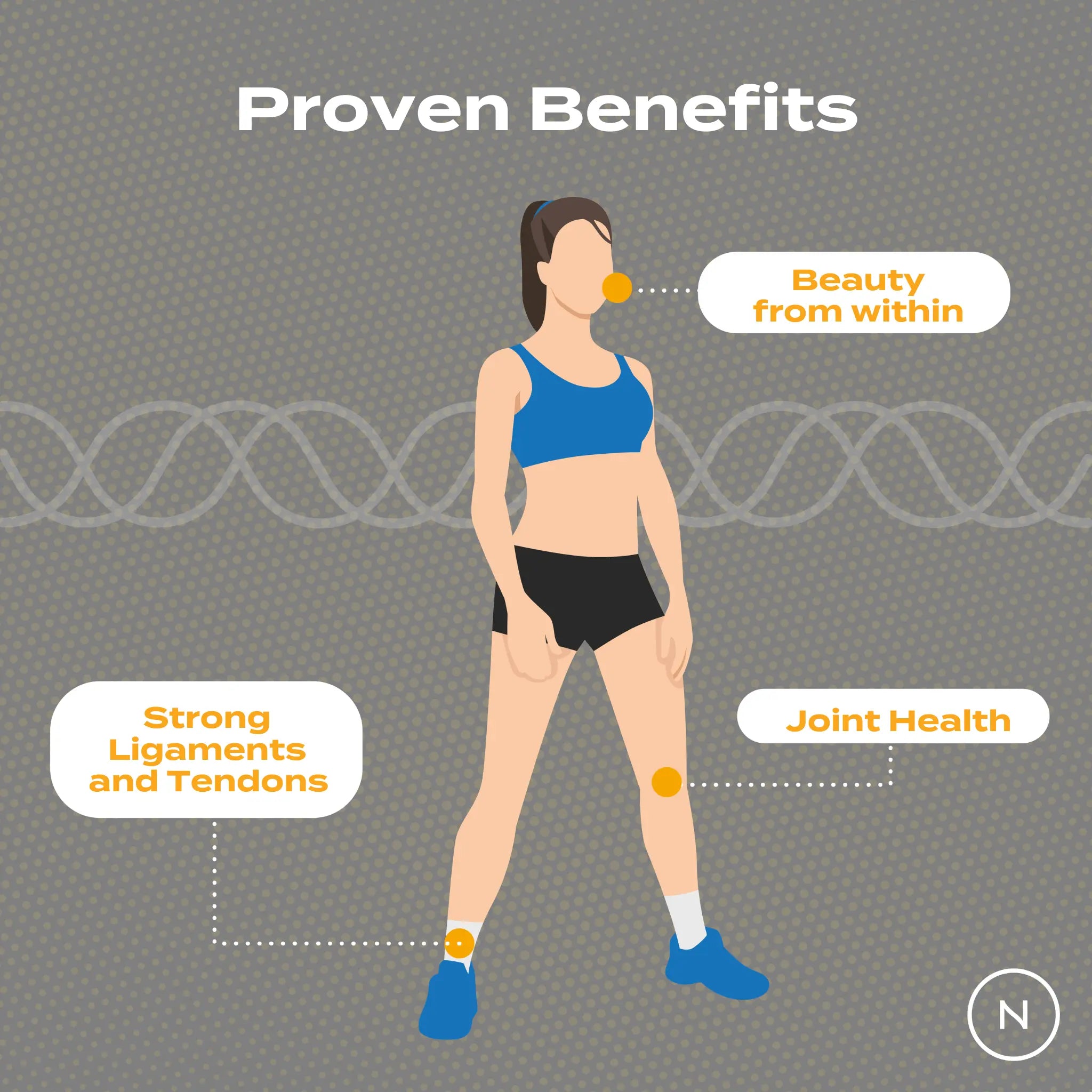
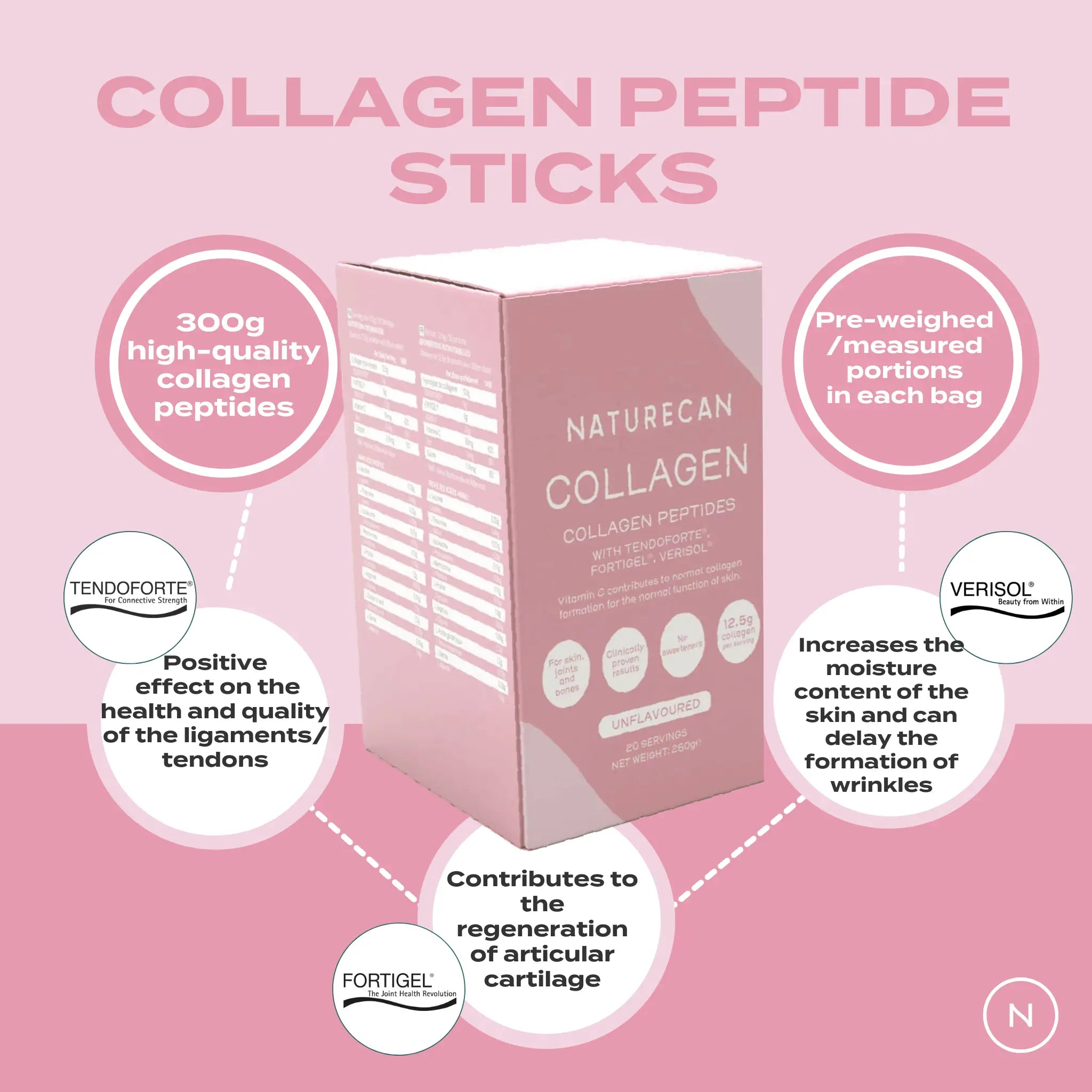
- Complexes included: TENDOFORTE® (tendons & ligaments), FORTIGEL® (joints & cartilage), and VERISOL® (skin & beauty).
- Flavours & clean formula: Comes in flavours like Apple, Strawberry, Caramel, Chocolate, Vanilla, plus unflavoured. No artificial sweeteners in the basic formula.
- kDa / molecular weight: Peptides are hydrolysed and low molecular weight for better absorption. The VERISOL® peptides are fairly small (≈ 2 kDa in related products) which tends to help with bioavailability.

Face Age Calculator
Watch our routine video below for inspiration on how to use our products as part of your daily skincare ritual.
Which Supplements Work Best with Collagen?
Collagen works effectively alone, although it requires some support to achieve the best possible results. These include:
- Vitamin C: Essential for collagen synthesis and contributes to normal collagen formation
- Zinc: Helps with skin repair and overall health, and contributes to the maintenance of normal skin and protein synthesis.
- Hyaluronic acid: Naturally present in skin, joints and connective tissue, where it helps retain moisture. Works with collagen to keep skin hydrated and plump.
- Copper: Works alongside zinc and vitamin C as a cofactor in collagen cross-linking, which gives collagen fibres their structural strength. Naturecan's Collagen Peptides already contains both zinc and copper.

Naturecan Collagen Sticks
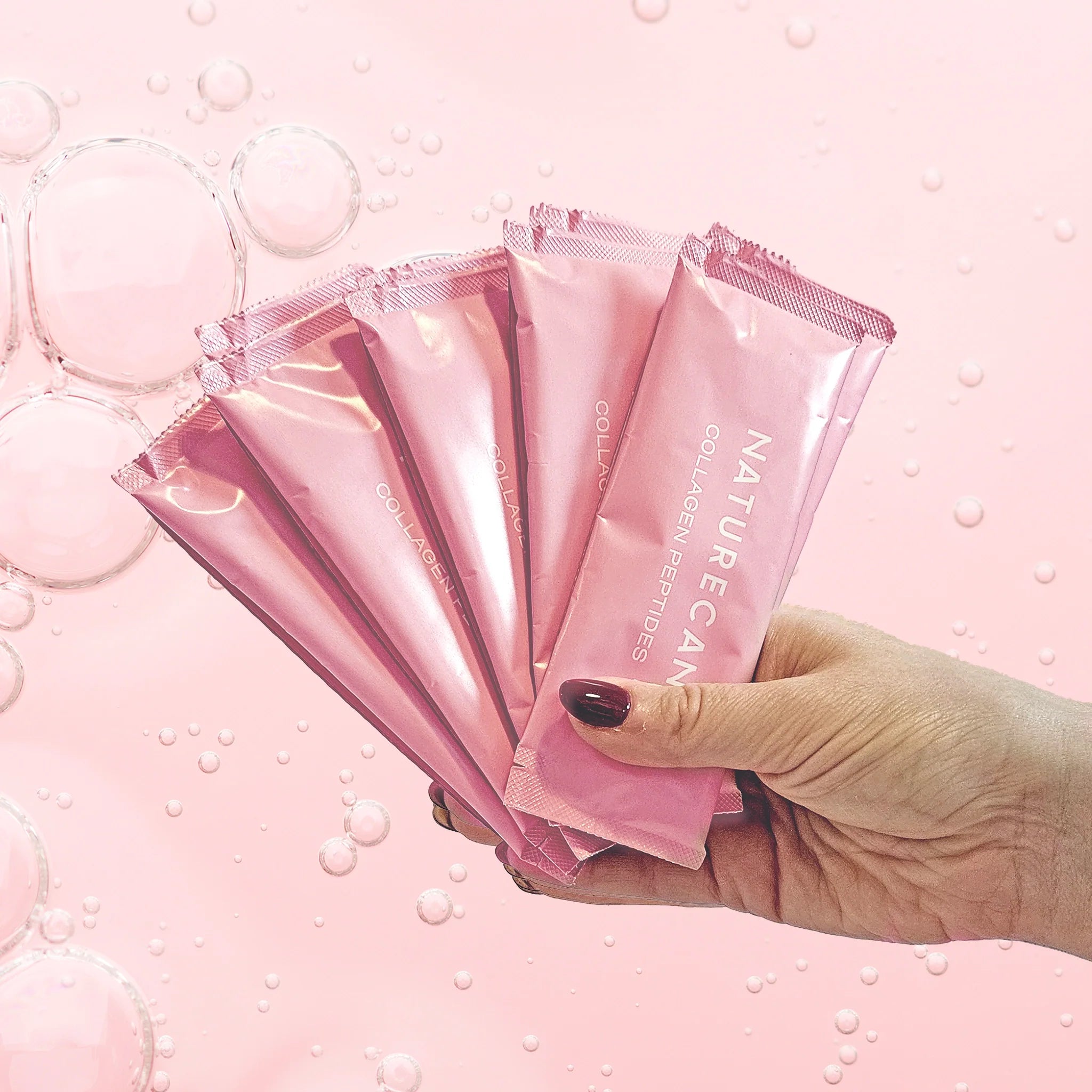
Also available in sachet form! Enhance your well-being with our advanced Collagen sachets. Specifically crafted for convenience, this unique formula offers more than the conventional collagen products by combining three powerful ingredients, each backed by 15 clinical studies.
Potential Benefits:
- 20 Servings of premium Collagen Powder
- 12.5g Collagen per serving
- Scientifically supportive ingredients
- Made in Germany
- Perfect for on-the-go
- Also contains Zinc and Copper
Collagen and Longevity: More Than Just a Beauty Supplement
Collagen is increasingly recognised in longevity research as more than a skin and joint supplement. A 2024 study published on PubMed identified collagen as a key longevity-associated gene in model organisms, with collagen peptides shown to positively affect lifespan markers [13]. Researchers highlighted its role in maintaining the extracellular matrix, which underpins tissue function throughout the body as we age.
At Naturecan, collagen sits within our Longevity range alongside NMN, Urolithin A, Resveratrol, and CoQ10 - supporting connective tissue, muscle integrity, and skin structure is a core part of healthy ageing. If you are building a longevity stack, collagen peptides are a well-evidenced foundation.
Longevity stack suggestion:
- Collagen Peptides (extracellular matrix and skin integrity)
- NMN (cellular energy and NAD+ support)
- Urolithin A (mitophagy and muscle health)
- Resveratrol (sirtuin activation)
Explore the Naturecan Longevity Bundle

Should You Take Collagen If You Are on GLP-1 Medication?
"Ozempic face" has become a widely searched term in 2025 and 2026, describing the skin laxity and volume loss some people experience during rapid weight loss associated with GLP-1 receptor agonists such as semaglutide (Ozempic, Wegovy).
Research published in 2025 suggests that rapid fat loss may affect the density of collagen and elastic fibres in the dermis, and that GLP-1 medications may influence collagen metabolism through effects on adipose tissue. [14]
This does not mean GLP-1 medications cause skin damage for everyone, but it does highlight why collagen support may be especially relevant for people undergoing significant weight loss. Collagen supplementation, combined with adequate protein intake, vitamin C, and resistance training, is increasingly being discussed as part of a GLP-1 support protocol.
If you are currently using a GLP-1 supplement or medication and want to support your skin, joints, and connective tissue during weight loss, collagen peptides may be a worthwhile addition to your routine. Always consult your GP before making changes to your supplement regimen alongside prescription medication.
Curious about GLP-1 support?
Naturecan's Appetite and GLP-1 Collection brings together science-backed supplements designed to support healthy weight management and metabolic balance.
Explore Now
Collagen and Menopause: What the Research Shows
Menopause is one of the most significant triggers of accelerated collagen loss. As oestrogen levels fall, collagen production in the skin and bones declines sharply. Research suggests women can lose up to 30% of their skin collagen in the first five years after menopause, with loss continuing at a slower rate thereafter.
This makes the perimenopausal and post-menopausal years a particularly important window for collagen supplementation. Beyond skin, declining collagen affects bone density, joint comfort, tendon strength, and hair thickness, all common concerns for women in midlife.
What does the research say?
A 2025 randomised controlled study published in Clinical Practice assessed the effects of fish-derived collagen peptides, calcium, and vitamin D3 supplementation in menopausal women over six months. The results showed that collagen supplementation supported bone density markers, improved skin elasticity, and supported the maintenance of normal hair compared to placebo. [15]
This adds to a growing body of evidence suggesting that collagen peptides, taken alongside calcium, vitamin D, and vitamin C, may be a meaningful part of a menopause supplement strategy, supporting not just skin appearance but bone integrity and connective tissue health from the inside out.

Key collagen benefits relevant to menopause
 1
1Skin Elasticity & Hydration
Oestrogen decline reduces the skin's ability to retain moisture and maintain firmness. Collagen peptides, particularly VERISOL®, have clinical evidence for improving skin elasticity and reducing wrinkle depth.
 2
2Bone Density Support
Collagen makes up approximately 90% of bone organic matrix. Supplementation alongside calcium and vitamin D has been shown to support bone density markers in post-menopausal women.
 3
3Joint Comfort
Joint stiffness and discomfort increase significantly after menopause. FORTIGEL® has clinical evidence for cartilage regeneration and improved joint mobility.
 4
4Hair & Nail Health
Thinning hair is one of the most commonly reported changes during and after menopause. Collagen supplies the amino acids needed for keratin production, the primary structural protein in hair.
If you are navigating perimenopause or post-menopause and looking for a supplement strategy to support skin, bones, and joints, Naturecan's Collagen Peptides powder is a well-evidenced starting point. For a more comprehensive approach, pairing collagen with a dedicated women's supplement stack is worth exploring. Discover Naturecan's Supplements for Women today.
Signs Your Collagen Levels May Be Declining
Collagen loss is gradual, which means the signs often creep up before you connect them. Here are the most common indicators that your collagen levels may be declining:
- Skin changes: skin becomes thinner, drier, and less elastic. Fine lines deepen, wrinkles become more prominent, and the skin around the eyes and jawline may begin to sag or appear hollow.
- Joint stiffness: collagen cushions your joints. As levels drop, cartilage thins and joints may feel stiffer, especially first thing in the morning or after periods of inactivity. This can be an early sign of age-related cartilage loss.
- Weaker or thinner hair: hair may become more brittle, prone to breakage, or noticeably thinner, since collagen provides the amino acids needed to build keratin, the main structural protein in hair.
- Nail fragility: nails may become more brittle or prone to splitting, as collagen supports the connective tissue around the nail bed.
- Gut discomfort: collagen helps maintain the integrity of the gut lining. Some research links low collagen with increased gut permeability, which may contribute to digestive discomfort, though this area of research is still developing.

It is worth noting that collagen levels cannot be tested with a standard blood test, so these signs are observational indicators rather than a clinical diagnosis. If you are concerned about any of these symptoms, speak to your GP.
The Longevity Guide: Everything You Need to Know About Longevity


This is our complete beginner's guide to Longevity. We explain what it is, what studies are available, where it comes from, what it is used for, and a few other facts you may not know.

Is Collagen Safe?
For most people, collagen is considered a safe substance. Reported side effects are rare and usually mild side effects reported include symptoms such as slight bloating or a lingering aftertaste.
The primary consideration is quality. A supplement that’s been third-party tested will provide you peace of mind. If you’re pregnant, breastfeeding, or on medication, it’s always best to check with your GP before starting collagen supplementation.
What does the research say?
The NHS doesn’t officially recommend collagen supplements, so it’s a personal choice and a natural boost rather than medical advice.
Can You Boost Collagen Naturally?
Yes, you can naturally boost collagen through lifestyle and dietary changes. Here are some natural ways to help your body produce more collagen:
- Eat protein-rich foods like chicken, fish, beans, and eggs.
- Protect your skin from sun damage.
- Avoid smoking and excess alcohol.
- Prioritise good sleep.
- Reduce your sugar intake, as excessive consumption can damage collagen.
Supplements can give you an extra boost, but lifestyle choices still make a huge difference and support a balanced supplementation routine.
Did you know?
Vitamin C is essential for collagen synthesis - your body cannot produce collagen without it. Simple dietary additions like citrus, broccoli, and bell peppers can make a meaningful difference.

Final Thoughts
Collagen is one of the proteins in the body that we don’t necessarily think about until we start noticing the changes and effects of losing it.
Wrinkles, stiff joints, weaker hair, they’re all linked to declining collagen levels.
Thankfully, supplements can help. The best collagen supplements in the New Zealand are those that are high-quality, hydrolysed for absorption, and backed by third-party testing.
Whether your goal is healthier skin, stronger joints, active ageing support, or collagen maintenance during weight loss, the science supports a daily supplement as a smart addition to your routine. It is never too late to support your body from the inside out.
FAQs
When is the best time to take collagen?
There isn’t necessarily a “best” time to take collagen, it depends on your routine. Many people prefer to take collagen in the morning in powder form, mixing it into coffee, smoothies, or porridge for a convenient start to the day. Others take it in the evening before bed, mainly as collagen is often paired with amino acids like glycine, which may support sleep quality [12]. The most important factor is consistency. Whether you take it in the morning or at night, aim to take collagen daily to see results over time.
Can I take collagen alongside medication?
Collagen supplements are generally safe for most people, but if you are taking prescription medication or have a medical condition, it’s always best to check with your GP first. This ensures there are no interactions specific to your health needs. While collagen itself is a natural protein found in the body, supplements sometimes contain added ingredients like vitamin C or flavourings, so it’s worth reviewing the label.
Is liquid collagen better than powder?
Both formats work. Liquid collagen is convenient and ready to drink, which suits people who want a simple daily habit. Powder collagen typically offers better value per gram, a higher dose per serving, and more flexibility in how it is consumed. For daily use with a higher collagen dose, powder is often the more practical choice.
Can vegans take collagen supplements?
Not directly. Collagen is an animal-derived protein, so there is no true vegan collagen supplement. Vegan products marketed as collagen supplements are typically collagen boosters, containing vitamin C, zinc, copper, biotin, and plant extracts that support your body's own collagen production. They may be beneficial, but are not equivalent to taking hydrolysed collagen peptides.
Should I take collagen if I am on a GLP-1 medication like Ozempic or Wegovy?
This is an emerging area of research. Rapid weight loss associated with GLP-1 medications has been linked to changes in skin elasticity and collagen density in some studies [14]. Collagen supplementation, alongside adequate protein and vitamin C, is increasingly discussed as a supportive measure during GLP-1-led weight loss. Always consult your GP before combining supplements with prescription medication.
Is collagen good for longevity?
Emerging research suggests collagen peptides may play a role in healthy ageing beyond skin and joints. A 2024 study identified collagen as a longevity-associated gene in model organisms, and noted that collagen peptides positively affected lifespan markers [13]. Maintaining the extracellular matrix through collagen support is increasingly viewed as part of a comprehensive longevity protocol.
Is collagen good for menopause?
Yes, particularly for women in the perimenopausal and post-menopausal years. Oestrogen decline after menopause triggers accelerated collagen loss in the skin, bones, and joints. Clinical research published in 2025 found that collagen peptides supplemented alongside calcium and vitamin D supported bone density, skin elasticity, and support the maintenance of normal hair in menopausal women over six months [15]. Collagen is one of several supplements worth considering as part of a menopause nutrition strategy, alongside vitamin D, calcium, and magnesium.
What are the signs of collagen deficiency?
Collagen levels cannot be tested with a standard blood test, but there are common observational signs that your levels may be declining: skin that appears thinner, drier, or more wrinkled; hollowing around the eyes or jawline; stiff or achy joints, particularly in the morning; brittle or thinning hair; fragile nails; and occasional digestive discomfort. These signs tend to become more noticeable from the mid-20s onwards as natural collagen production slows, and accelerate more sharply around menopause in women.
How long does collagen take to work?
Consistency is key. Many users report feeling the benefits of their daily wellness and beauty routine after 8–12 weeks of daily use. [7, 4]. For an active lifestyle & movement, some people notice relief from stiffness or discomfort in as little as 4 weeks, though results vary depending on the individual and dosage. The key is patience and daily use, collagen works gradually as your body incorporates the peptides into connective tissues.
Can I take collagen while pregnant?
Collagen is a natural protein, but if you’re pregnant or breastfeeding, always consult your GP or midwife before adding any supplement to your routine. Safety data on collagen use during pregnancy is limited, and your healthcare provider can advise based on your specific needs.
How much collagen should I take per day?
The recommended daily amount varies depending on your goals. Most research suggests that 2.5–10g of hydrolysed collagen peptides per day is effective [7, 5]. For skin health, smaller doses (2.5–5g) have been shown to improve hydration and elasticity. For joint or muscle support, higher amounts (up to 10g) may be beneficial. It’s best to take collagen consistently at the same time each day to see results.
Can I take collagen every day?
Yes, in fact, daily use is recommended. Collagen works gradually by providing your body with amino acids that support skin, hair, joints, and muscles. Skipping doses won’t cause harm, but it may delay results. For the best outcomes, make collagen part of your daily wellness routine, just like your morning coffee or multivitamin.

Reviewed by Paul Holmes
Director of Science and Innovation at Naturecan
Testing for large pharmaceutical & tobacco companies, Paul has built a wealth of scientific and regulatory knowledge, working on regulatory submissions to bodies such as the FDA and the MHRA.
He holds a BSc in Medicinal and Biological Chemistry and sits on the UKAS CBD Food Product Approval Expert Group.